“You only live once, but you get to serve twice.” – Anon
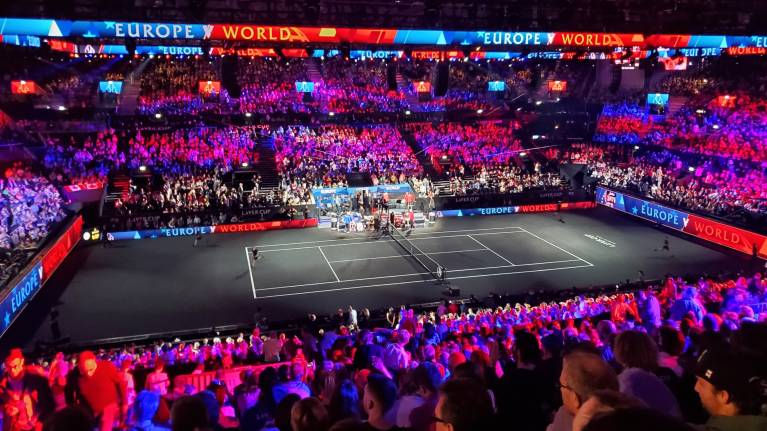
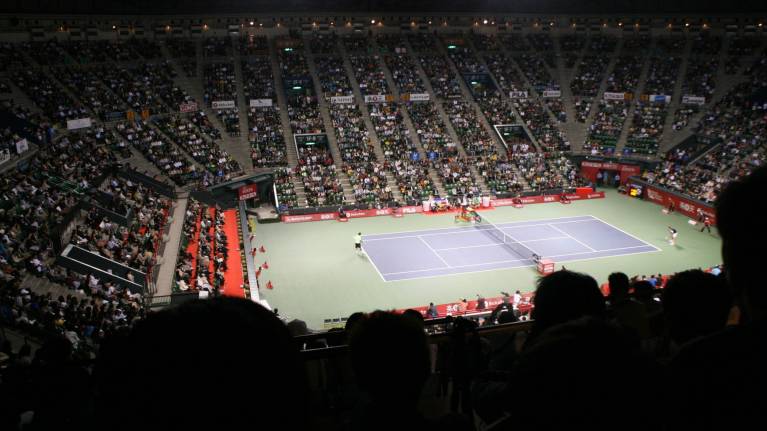
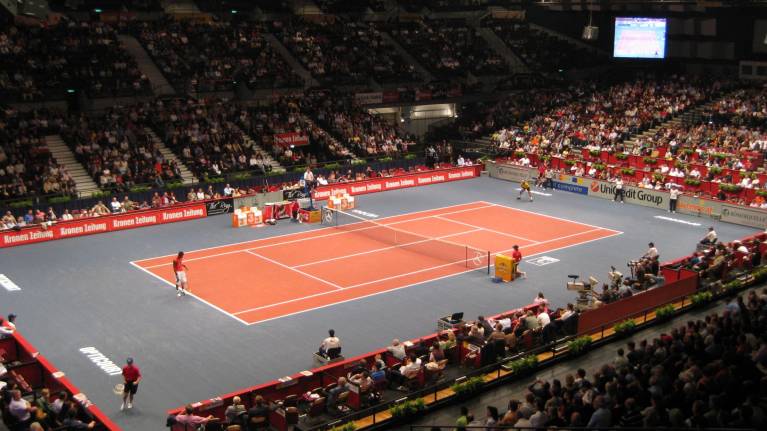
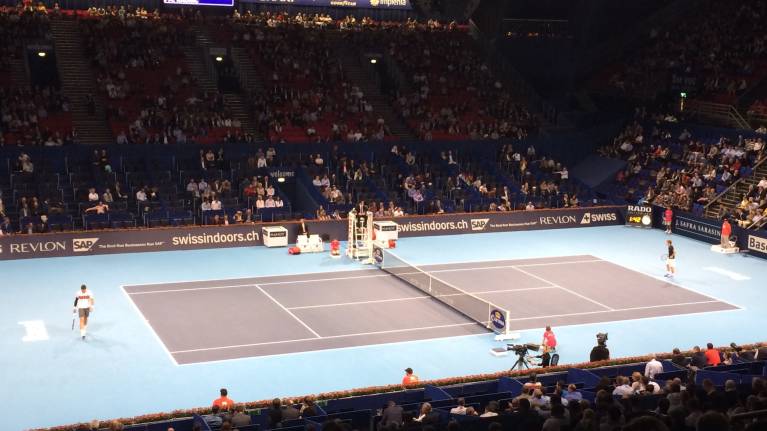
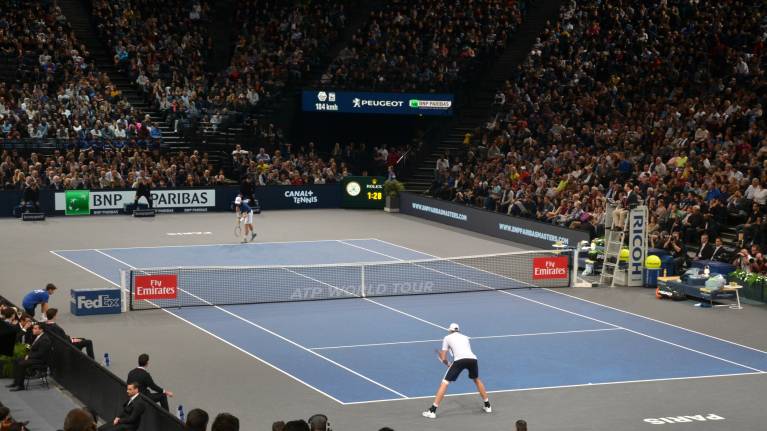
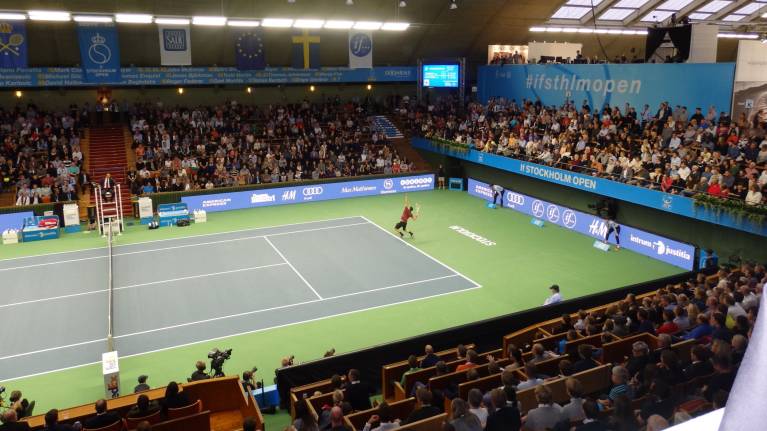
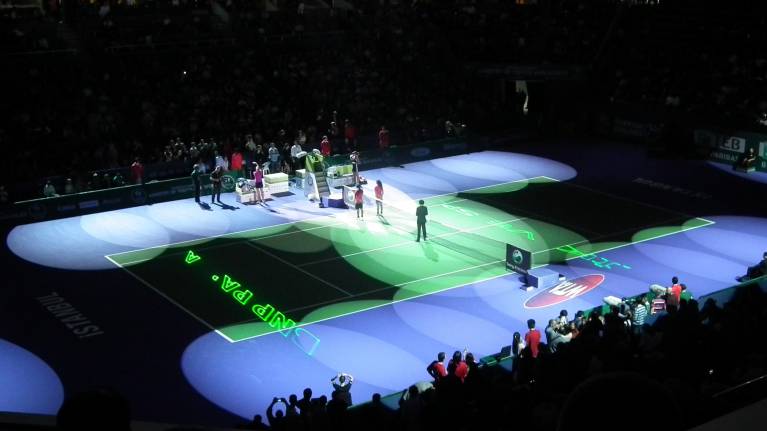
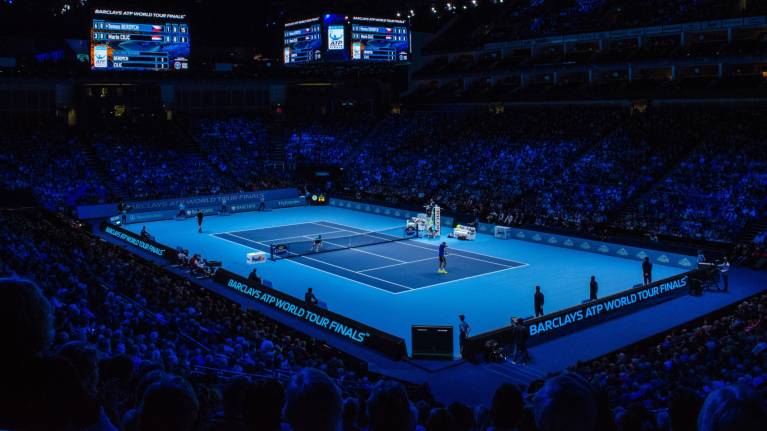
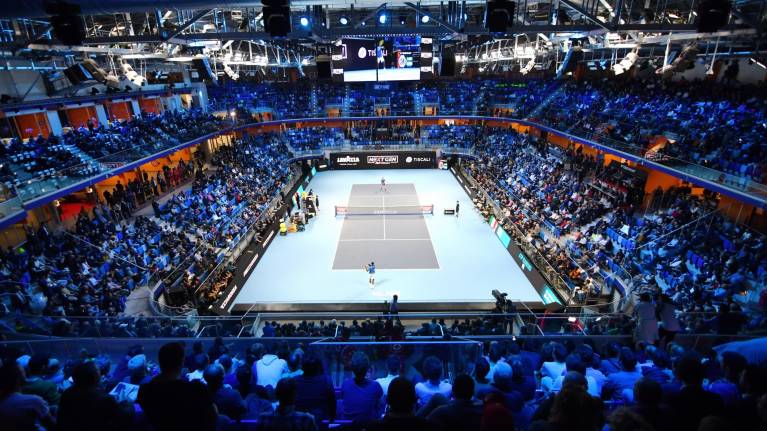
Tennis is a hugely popular sport, played professionally all year round on all continents except Antarctica! One of the most lucrative racquet sports in the world, tennis events are well-attended, and millions more fans tune-in on TV to watch their favourite players compete.
📜 Tennis History
The history of tennis dates back to 12th century France, where players struck a ball with the palm of their hand. The name comes from the French tenez, meaning "hold!" or "take!", an interjection used by the server to their opponent.
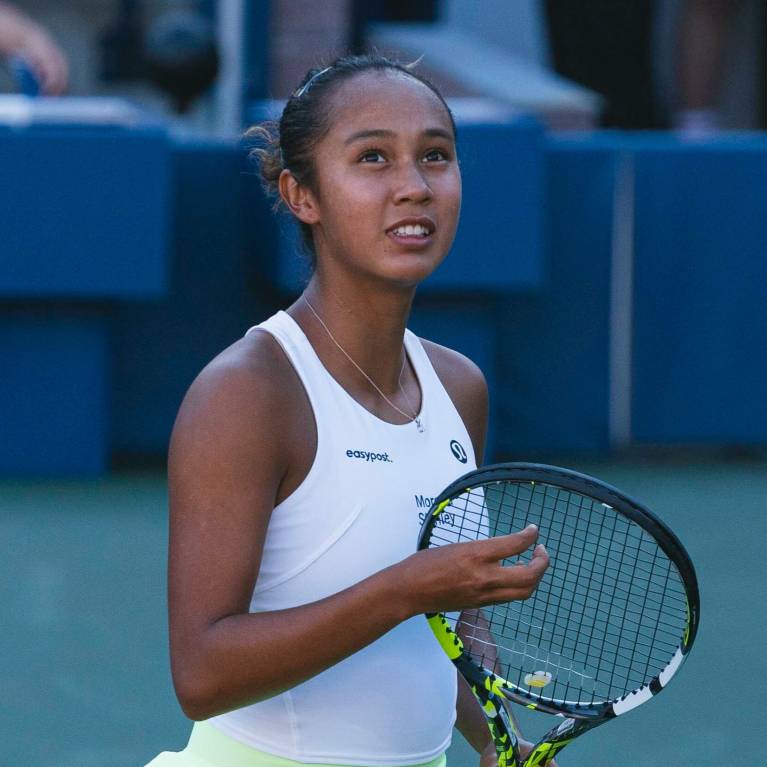
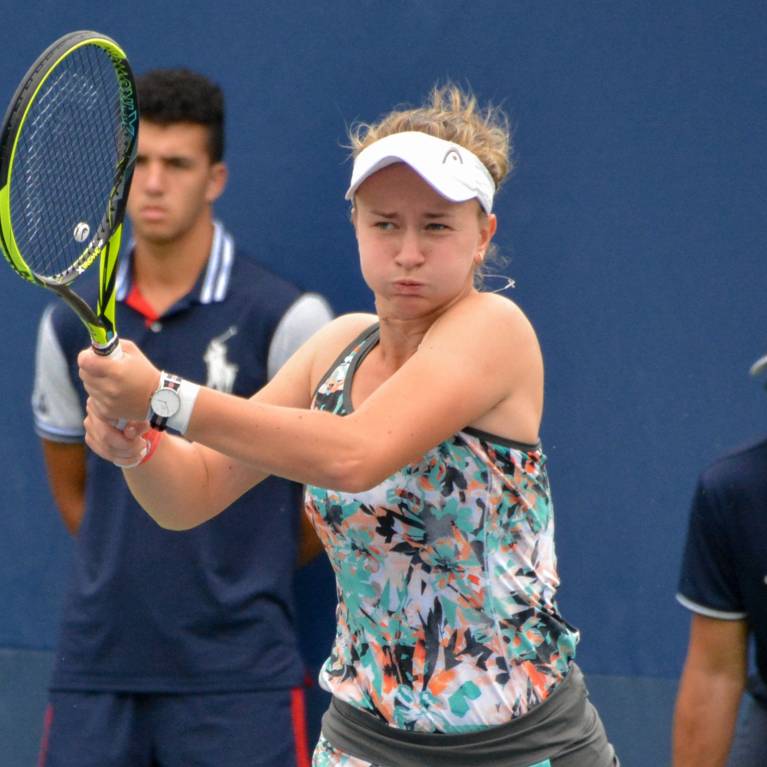
The game has since come a long way - not least by introducing racquets – and, following the advent of the “Open Era” in 1968, it has become a highly professionalised and organised sport. Modern tennis players are now stars in their own right, as well as elite athletes; individuals such as Roger Federer, Rafael Nadal, Novak Djokovic, Andy Murray, Serena Williams, and Naomi Osaka – to name but a few – enjoy the adoration of crowds wherever they play.
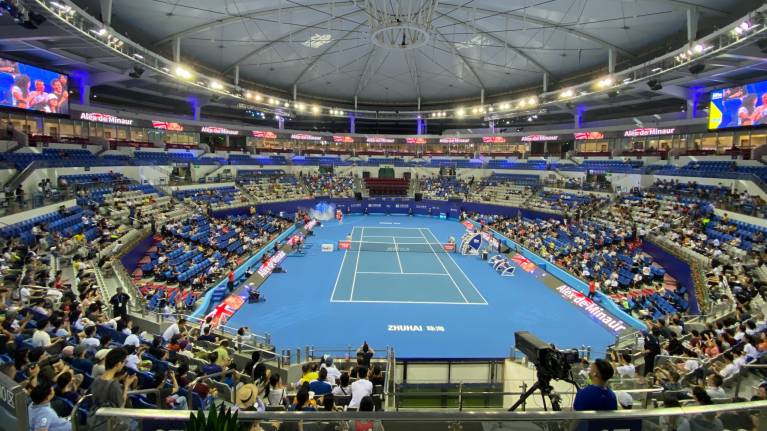
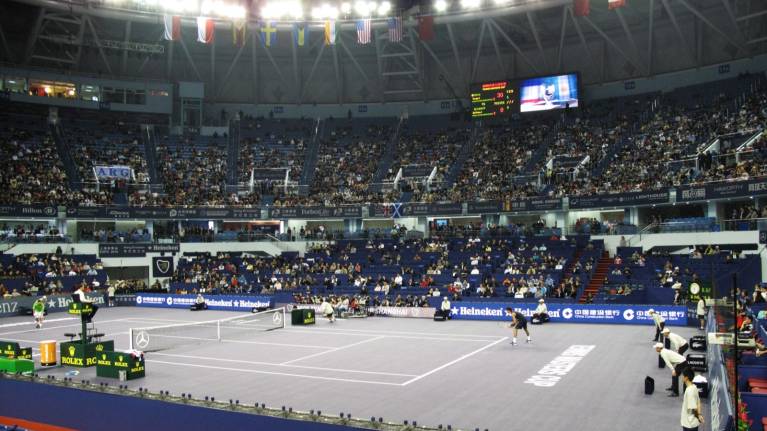
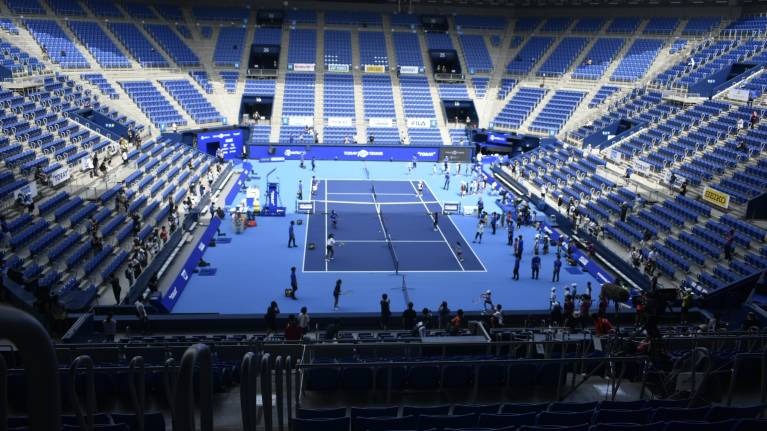
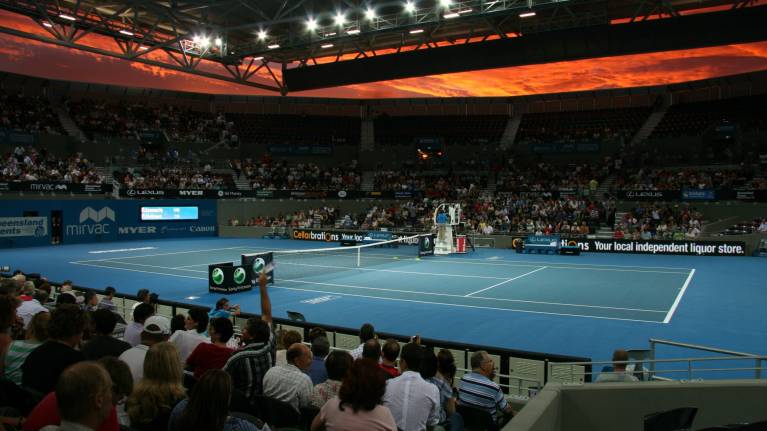
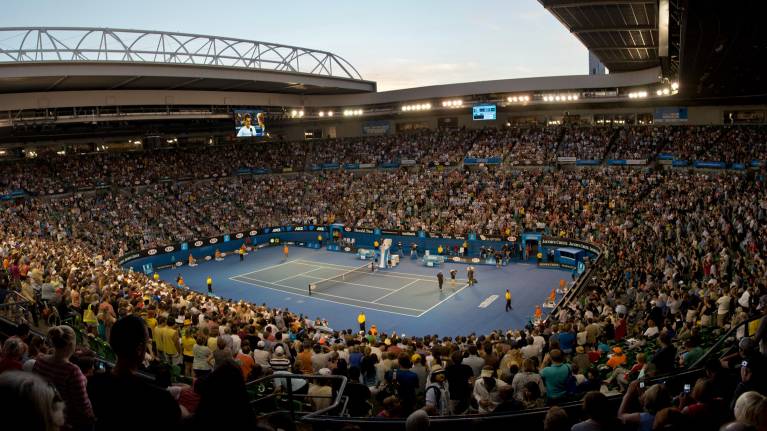
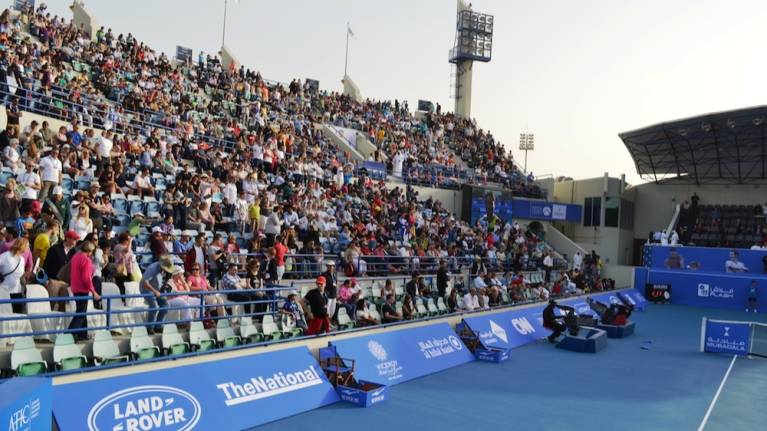
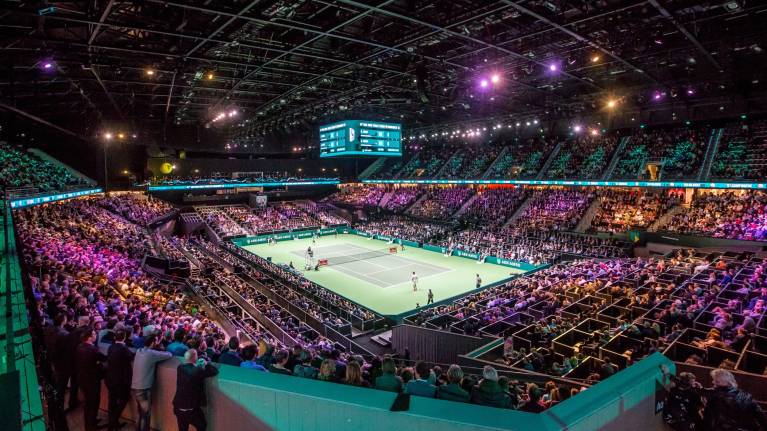
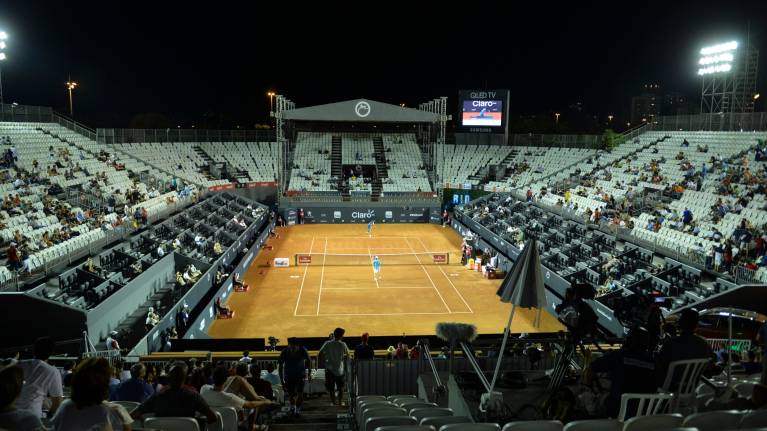
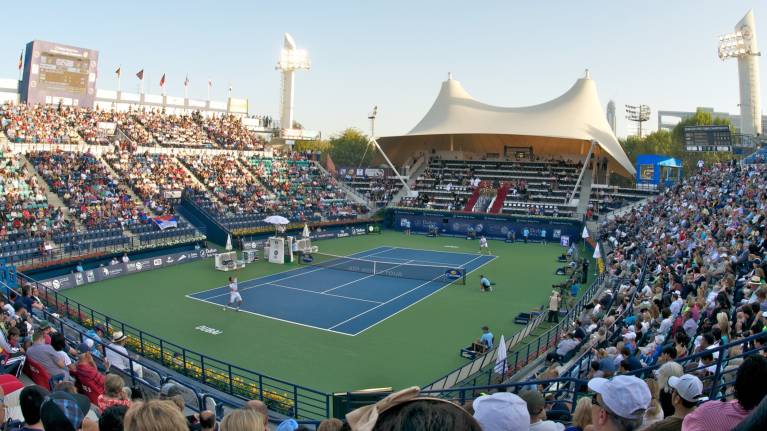
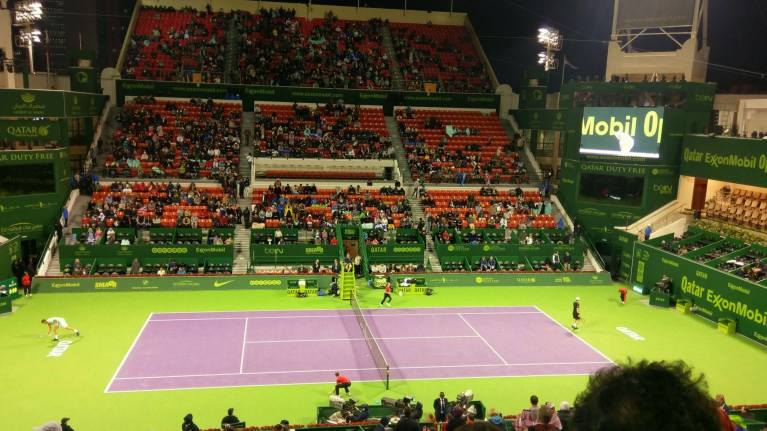
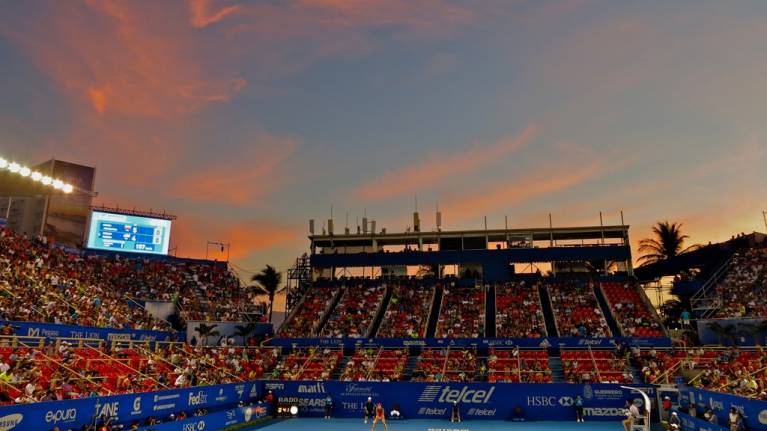
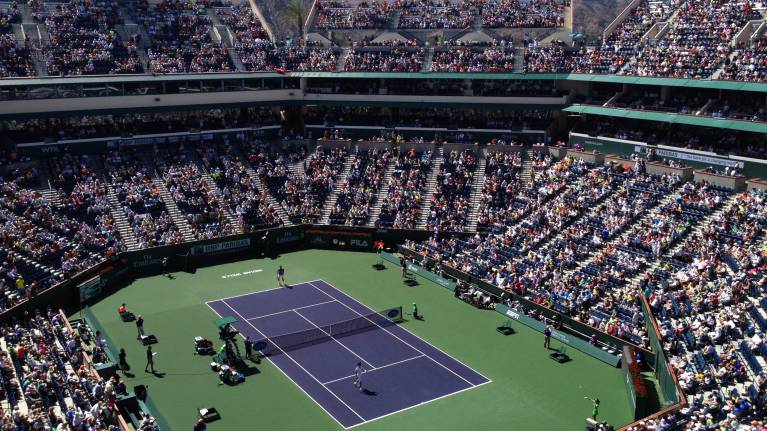
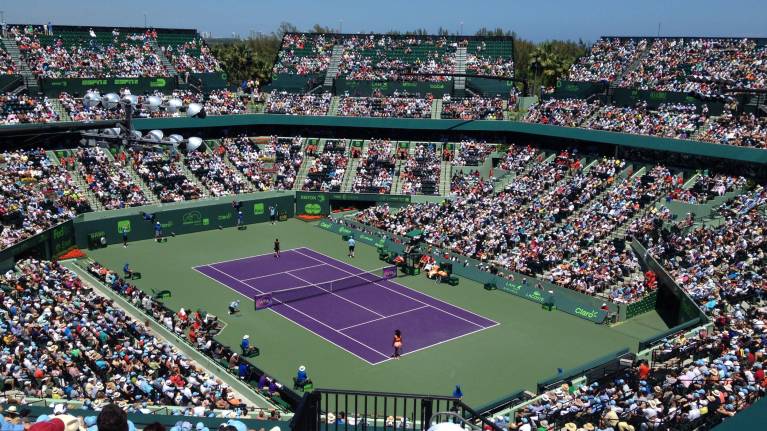
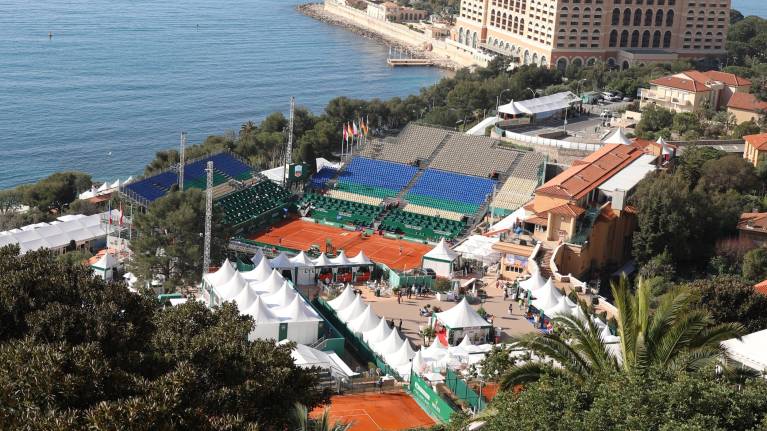
Tennis is a truly international sport, with live events taking place in hundreds of countries throughout the year. It is this global appeal which makes tennis such a rewarding game to follow: the range of climates, venues, and playing surfaces on offer means no 2 tournaments are the same, and no result is easy to predict.
💯 Tennis Format & Scoring
The format and scoring of tennis matches can at first appear difficult to understand for new fans, but it is surprisingly easy to pick-up, especially after watching a couple of matches!
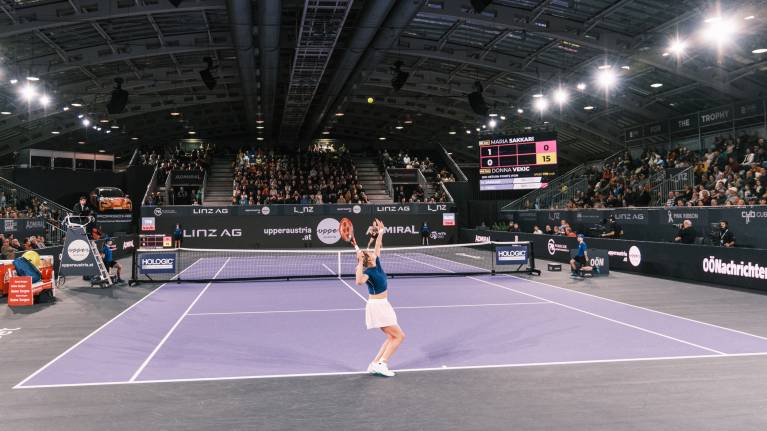
To win a point in a tennis match you must hit the ball over a net into your opponent’s half of the court so that your opponent either cannot reach it before it bounces twice, or cannot return it into your half of the court. Players start on 0 points, which is referred to as “love” - widely believed to come from the French word for egg, l’oeuf. Points then increase by irregular increments – 15, 30, 40 – thought to originate from when clocks were used to keep score. The first player to surpass 40 points wins the “game”; if the scores reach 40-40, it is called “deuce”, and a player must then score 2 unanswered points to win the game. Winning 6 games, provided it’s by a margin of 2, brings a “set”, and the first player to win 2 or 3 sets (depending on the tournament), wins the whole match.
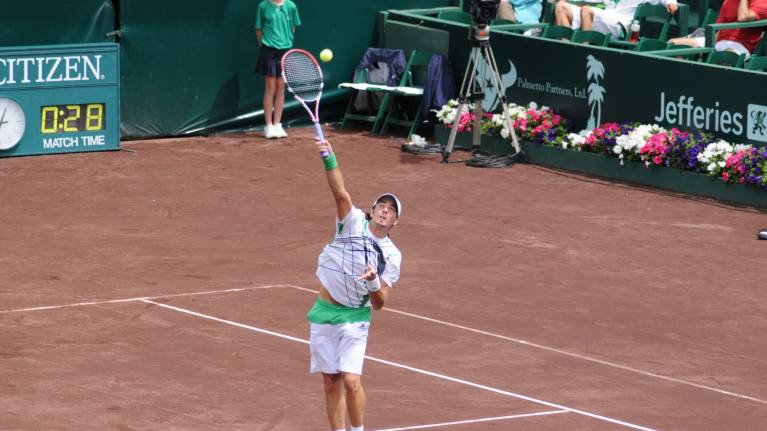
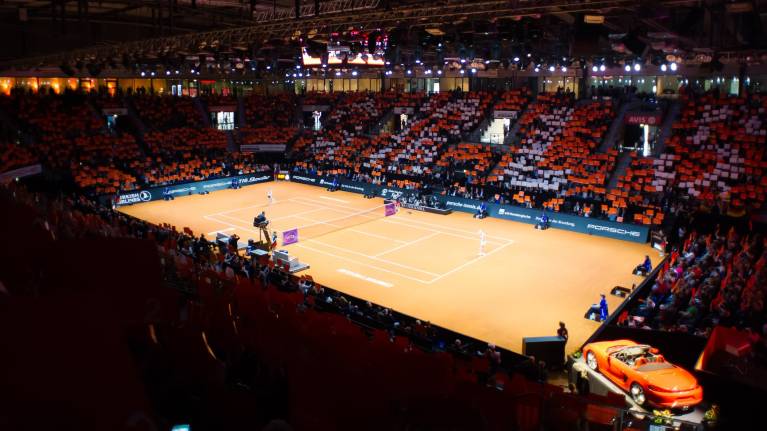
Most tennis tournaments take place in a knock-out format: players are drawn in head-to-head matches, with the losers eliminated from the competition, and the winners advancing to the next round. Events can take place on either grass courts, clay, or hard court surfaces, and they often contain a mixture of singles and doubles matches, with trophies awarded in both categories.
🎾 Tennis Tournaments
Tennis tournaments are played within “tours” – graded levels of competition that determine the prize money and rankings points on offer at each event. They are usually categorised by gender, with the Association of Tennis Professionals (ATP) representing men, and the Women’s Tennis Association (WTA) representing women. Some events, particularly larger competitions, operate under both organisations simultaneously, and often include mixed doubles draws.
Players compete on the tour all year round, in pursuit of trophies, ranking points, or the thrill of entertaining the crowd. The most renowned tour level is the
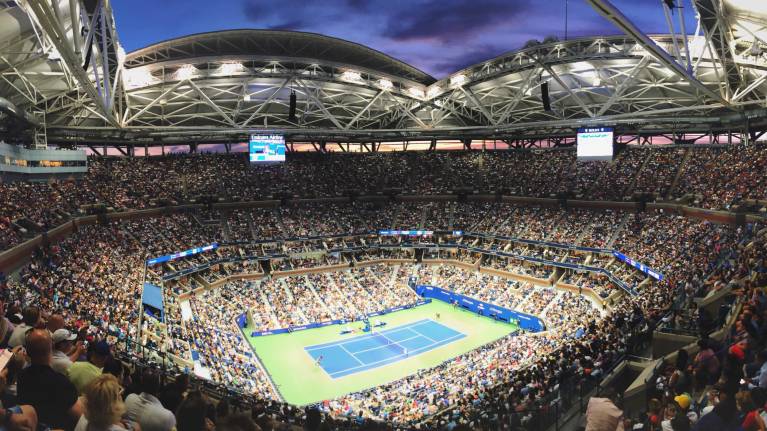
Grand Slams, 4 tournaments which are synonymous with summer sport: the Australian Open, Roland-Garros (the French Open), Wimbledon, and the US Open. Just below the Grand Slams are the
ATP Tour Masters 1000 and
WTA 1000 events, such as the Madrid Open in Spain and the Miami Open in the USA. Further tour levels exist below those too, with events in dozens of countries, from Austria and Germany to Japan and Morocco.
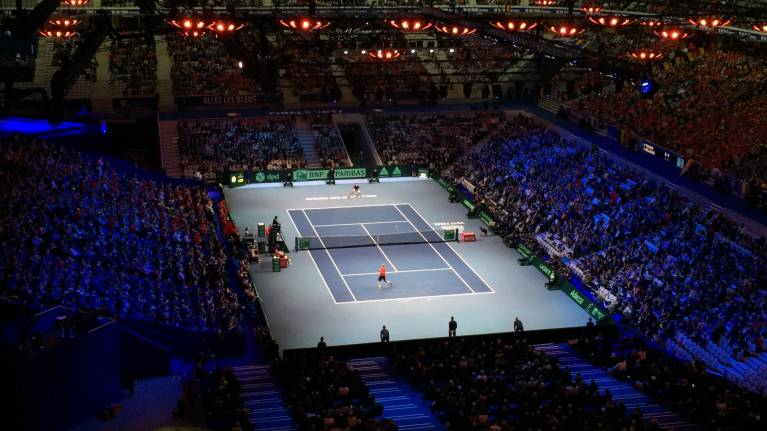
As well as tour events, professionals also compete in standalone team competitions, with players usually grouped together by nationality; examples include the ATP Cup and the Davis Cup.