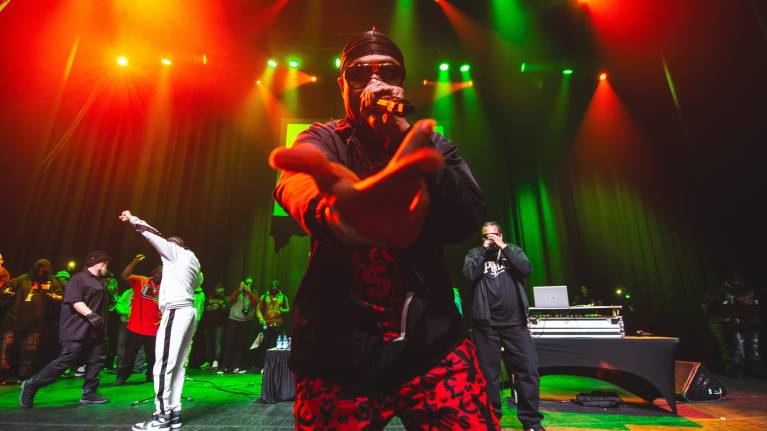
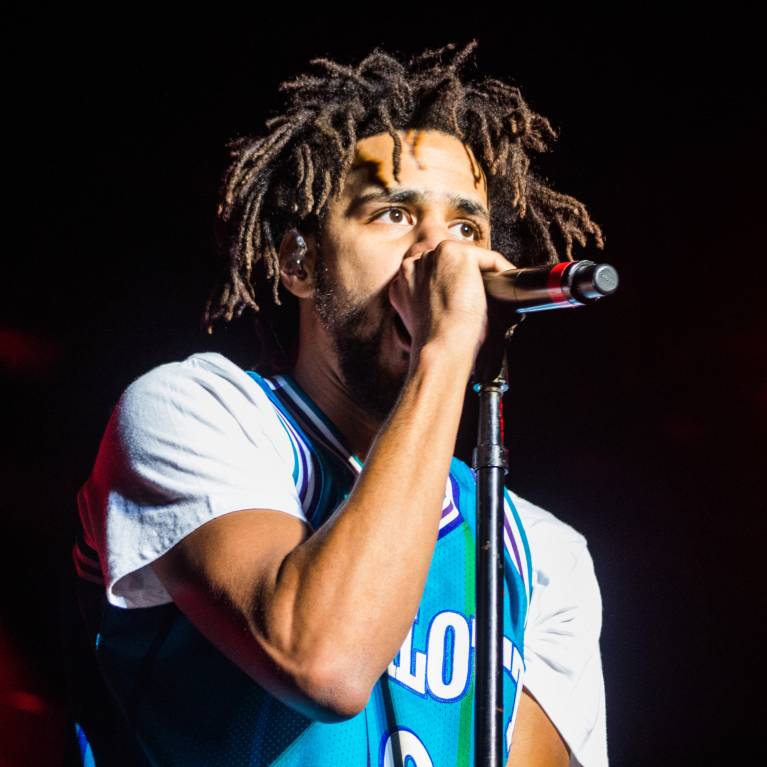
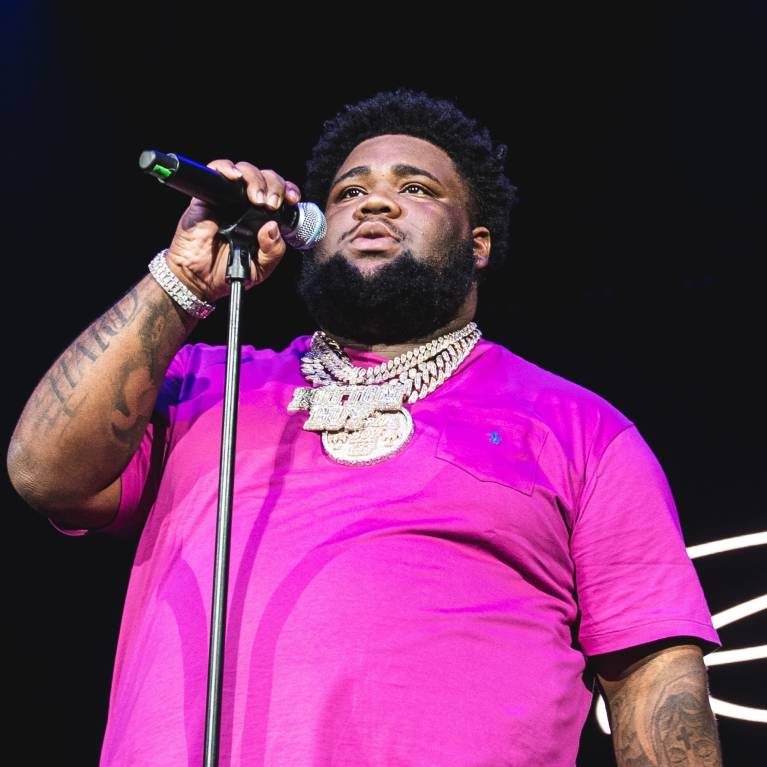
"Hip-hop has always been a voice for the voiceless, a sound of rebellion and survival." – Nas
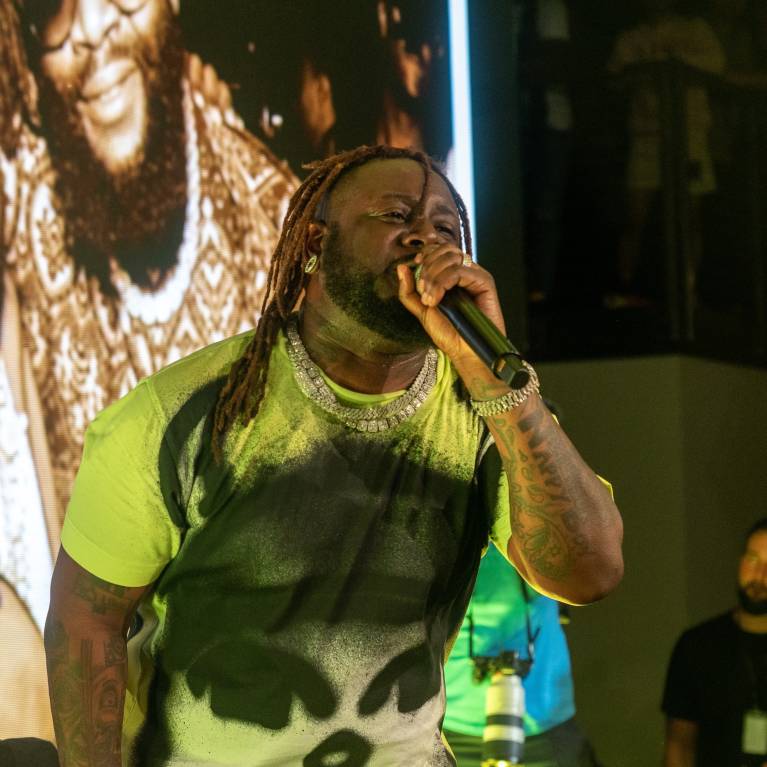
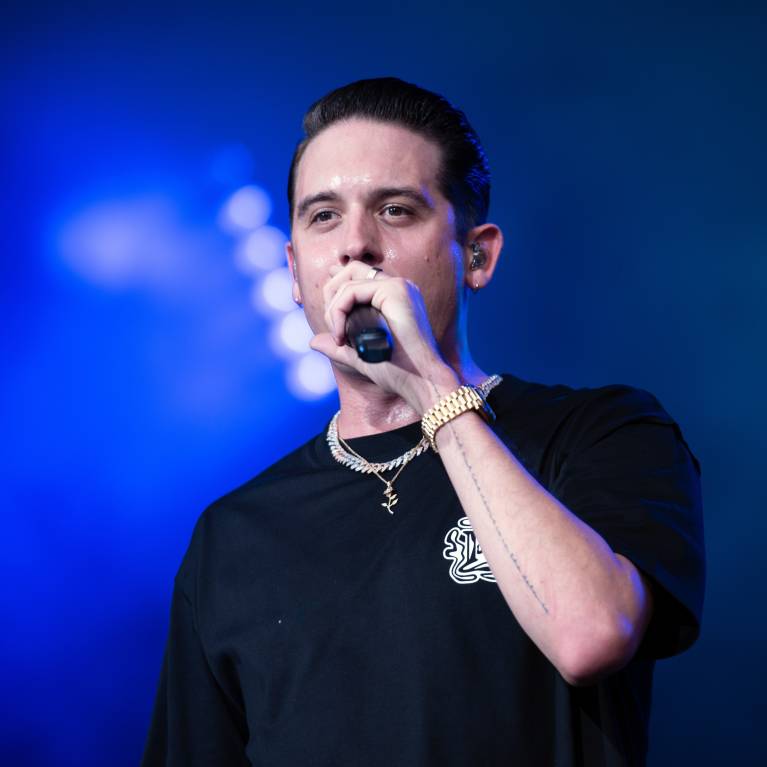
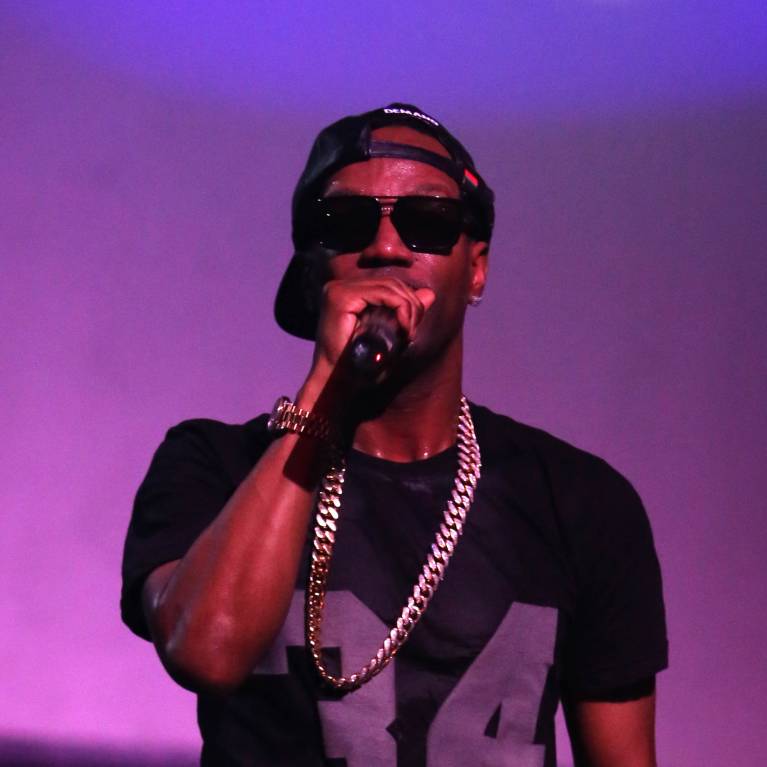
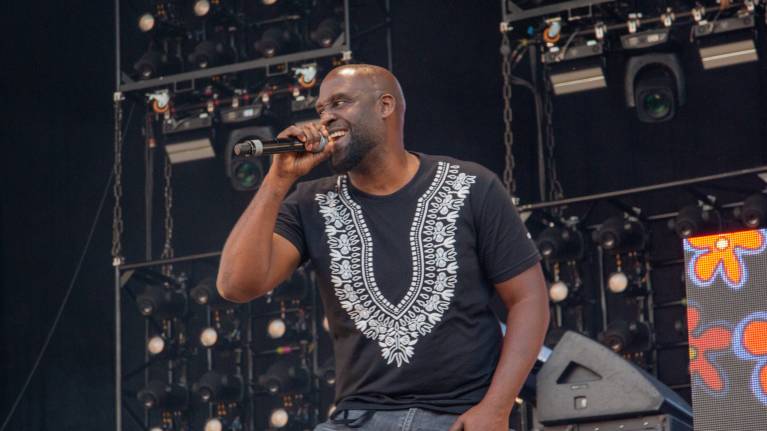
Hip-hop and rap music have undeniably left an indelible mark on global culture, transcending their urban roots to become an influential movement embraced worldwide. What's truly captivating about hip-hop and rap is their authentic storytelling and raw energy, offering a voice to marginalized communities and a platform for creative self-expression. Unlike many other music genres, hip-hop combines innovative lyrical prowess with rhythmically complex beats, pushing boundaries and continuously evolving.
History of Hip-Hop and Rap Music
Originating in the Bronx, New York City, during the 1970s, hip-hop was born out of block parties where DJs like Kool Herc experimented with mixing and looping breakbeats. These gatherings were more than just music events; they were fertile grounds for the 4 fundamental pillars of hip-hop: DJing, MCing (rapping), breakdancing, and graffiti art. The genre's advent can be closely tied to socio-economic challenges and the creative resilience of African American and Latino communities.
Rap music, a critical component of hip-hop, gained significant traction in the late '70s and '80s, with pioneering artists such as Grandmaster Flash and the Furious Five, Run-DMC, and LL Cool J laying the groundwork. The genre exploded in the '90s with figures like Tupac Shakur and Notorious B.I.G., who brought a deeper narrative and emotional complexity to their music.
Hip-hop has consistently demonstrated its ability to evolve and adapt, reflecting societal changes and technological advancements. Whether it's the lyrical dexterity of Kendrick Lamar or the genre-blending style of Travis Scott, hip-hop remains a dynamic and influential force in contemporary music, culture, and fashion.