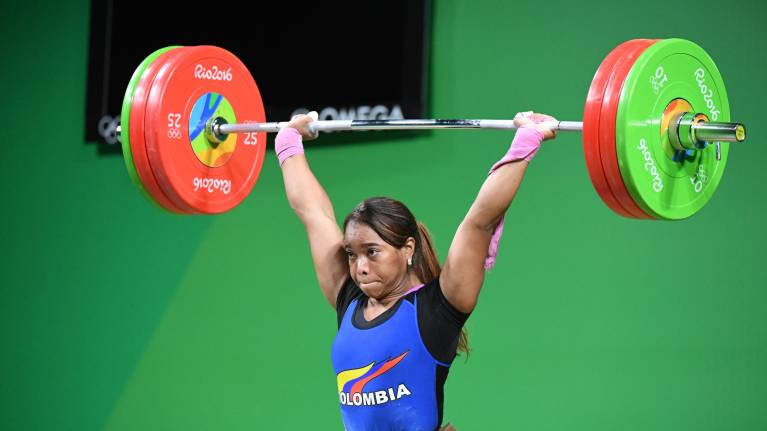
For many, weightlifting is a way to keep fit, or push one’s physical and mental limits, but it is also an exciting professional sport with an impressive historical lineage.
📜 Weightlifting History
Rooted in ancient displays of brute strength, the sport’s simplicity and awe-inspiring exhibitionism meant it was a natural fit at the first modern Olympics, in 1896. Since then, competitive weightlifting has more than outgrown its Victorian ‘strongman’ stereotypes; both men and women compete at the highest level, with world records regularly broken.
Weightlifting is a fan-favourite event, particularly at multi-sport meetings, as crowds effortlessly get drawn into the spectacle, with athletes’ effort, relief, and ecstasy all plain to see. In recent years, para-athletes have added to weightlifting’s heritage – some competitors have been known to lift up to 3 times their own body weight! Professional weightlifting must be seen to be believed!
💯 Weightlifting Format & Scoring
In most professional competitions, weightlifters attempt 2 types of lift up to 3 times each. The first type of lift is the “snatch”, in which weights are lifted above the head in one fluid motion. The athlete must quickly lift the bar almost to head height, before squatting underneath it and then powerfully lifting the bar high into the air, with arms outstretched. To attempt this precise routine with weights measuring often twice the athlete’s own body weight is incredibly difficult.
The second type of lift, and one which typically involves heavier weights than those lifted in the snatch, is the “clean and jerk”. During the clean and jerk, athletes lift in 2 stages: they first lift from the floor and into a squat, raising the bar so it rests in front of their neck and on their shoulders. The second part, the “jerk”, often begins following a pause of a couple of seconds, and involves lifting the bar high into the air, with arms outstretched, usually with help from a split-step stance, before the legs are also straightened.
Judges watch throughout to ensure lifts are valid – an athlete’s arms and legs must be straight for a lift to be valid. The heaviest lifts successfully attempted in each form are added together, providing each athlete with a total weight lifted, which is then measured against weightlifters in the same gender and body weight category. The weightlifter who successfully lifts the greatest total weight across both lifts wins.
Para Powerlifting, a form of the sport for physically disabled athletes, has also grown in popularity in recent years. Instead of attempting 2 types of standing lift, para powerlifters only use a bench-press technique, attempting to lift the greatest weight up in the air with arms outstretched, whilst lying on one’ back. Para powerlifters also have 3 attempts to lift the heaviest weight, and competitions are also organised in gender and weight classes. As in weightlifting, the legality of para powerlifting attempts is decided by judges.