"It don't mean a thing if it ain't got that swing." – Duke Ellington
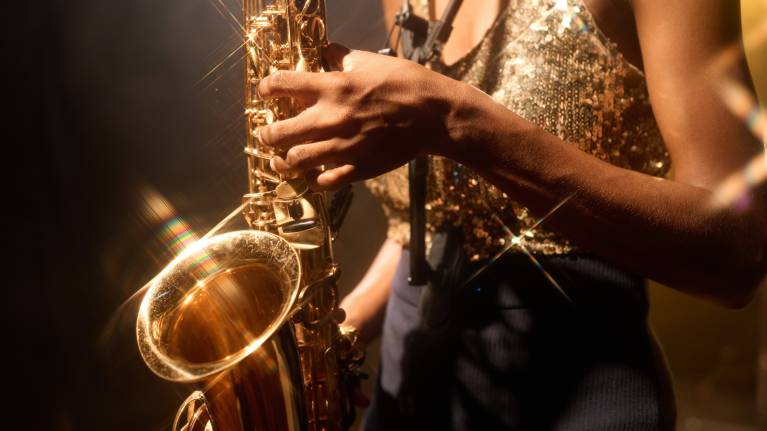
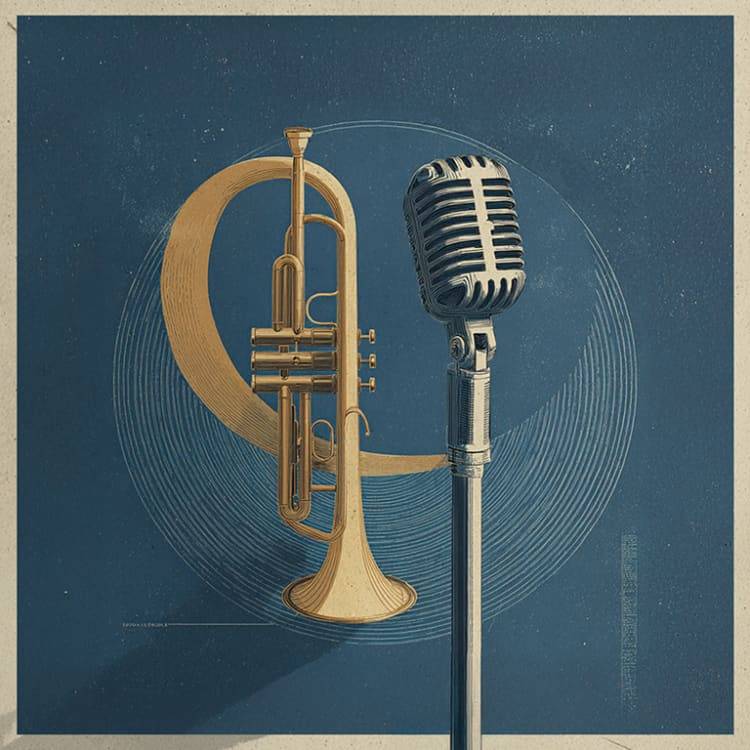
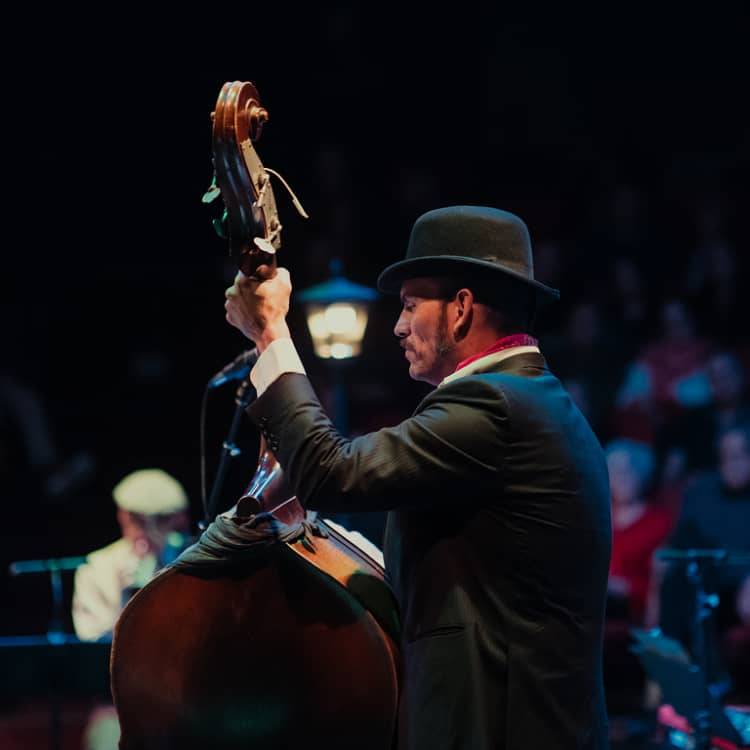
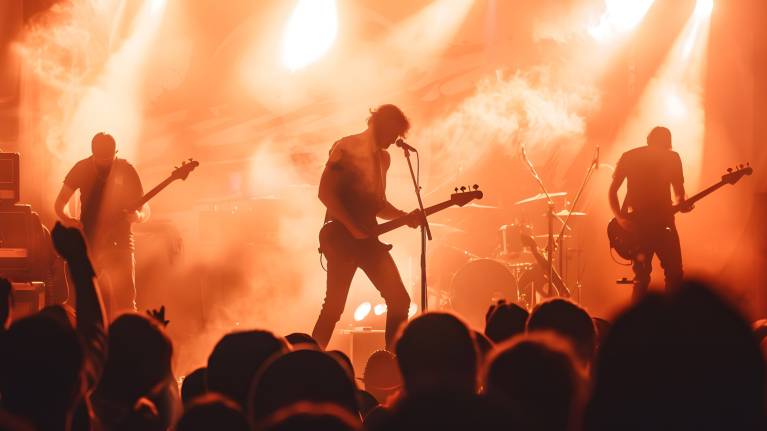
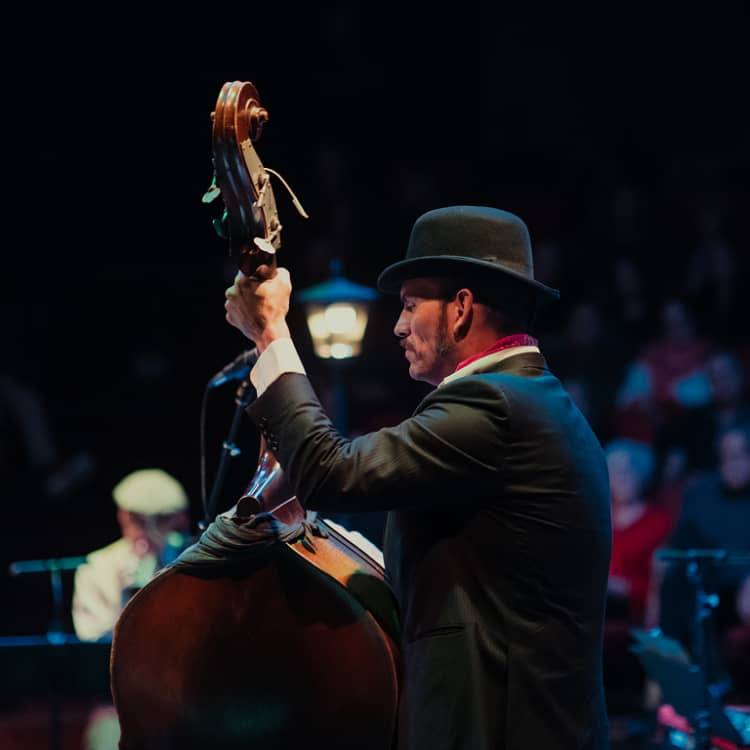
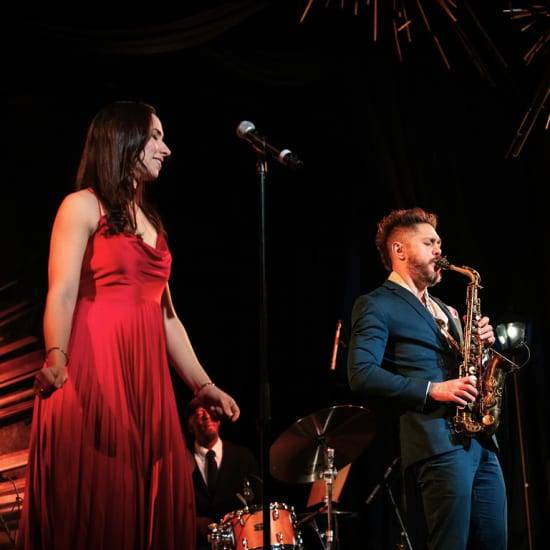
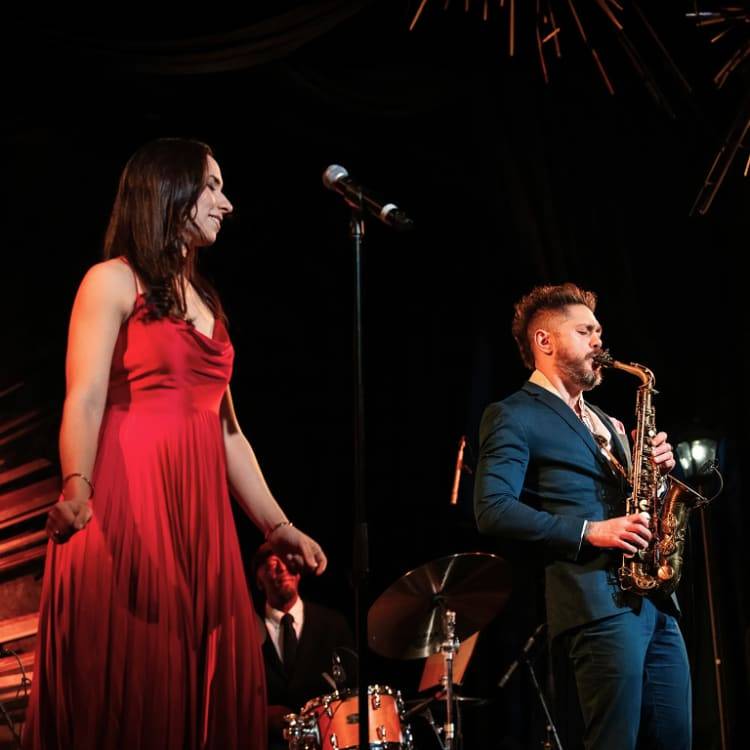
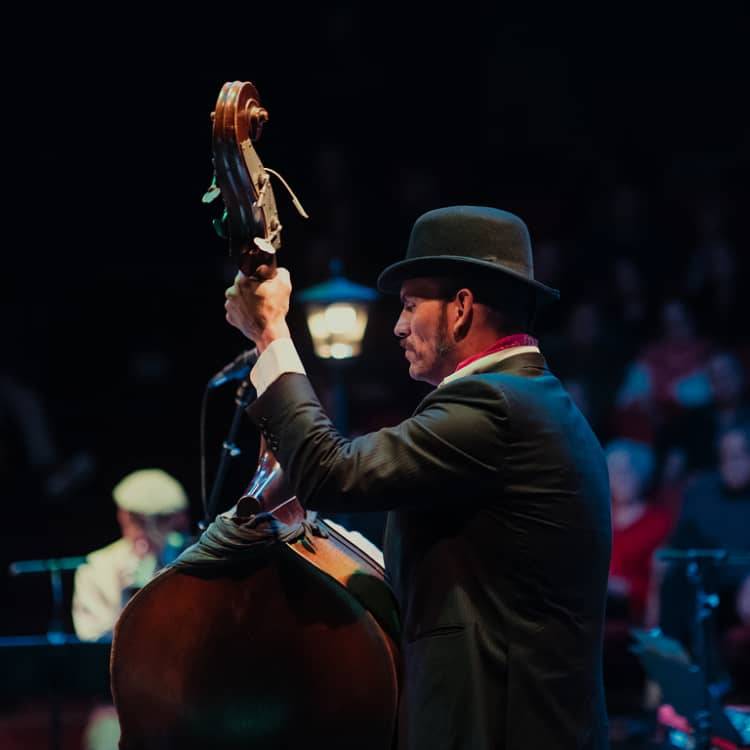
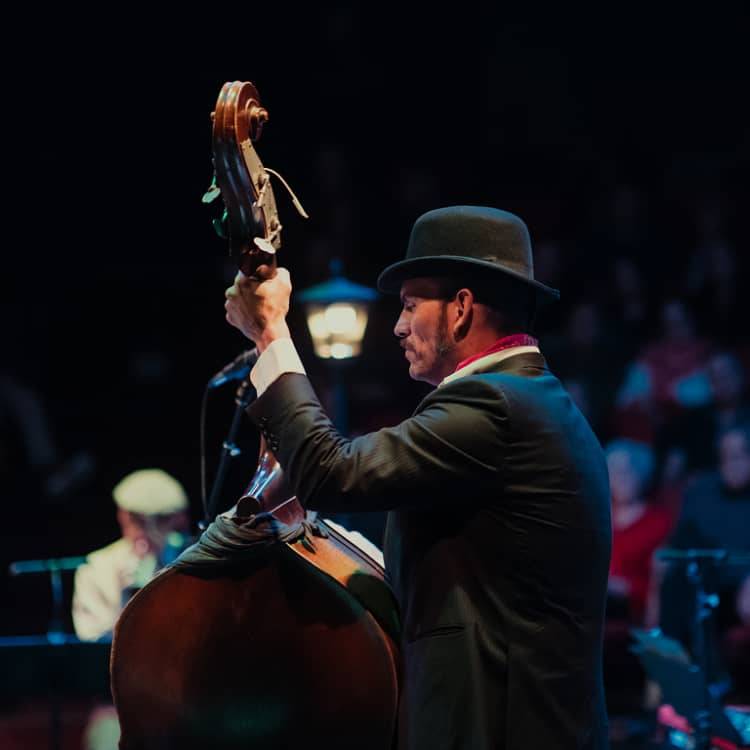
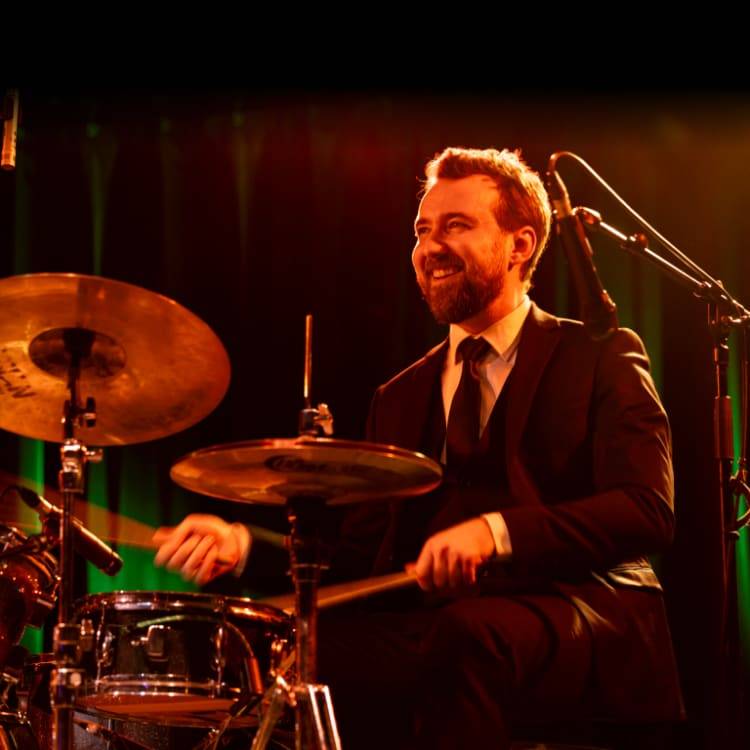
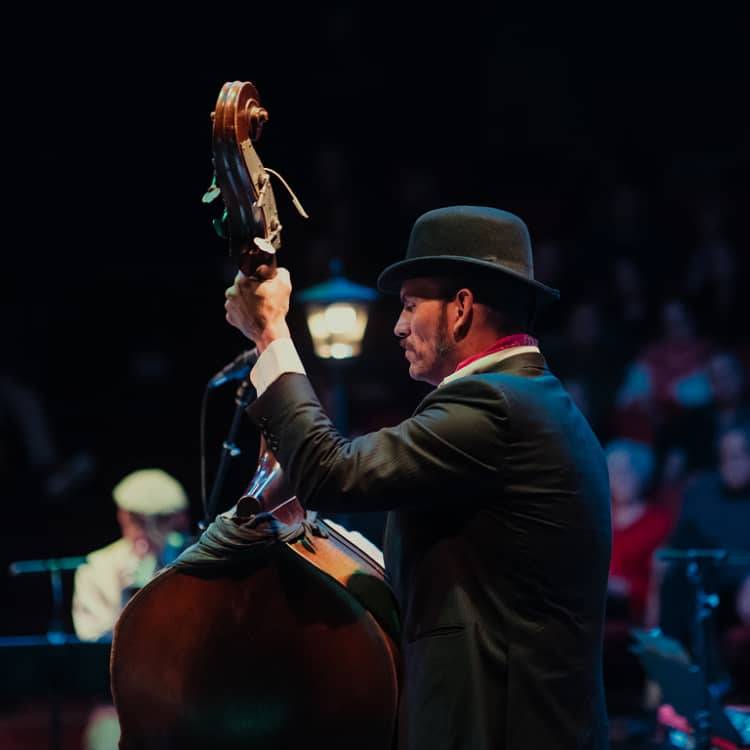
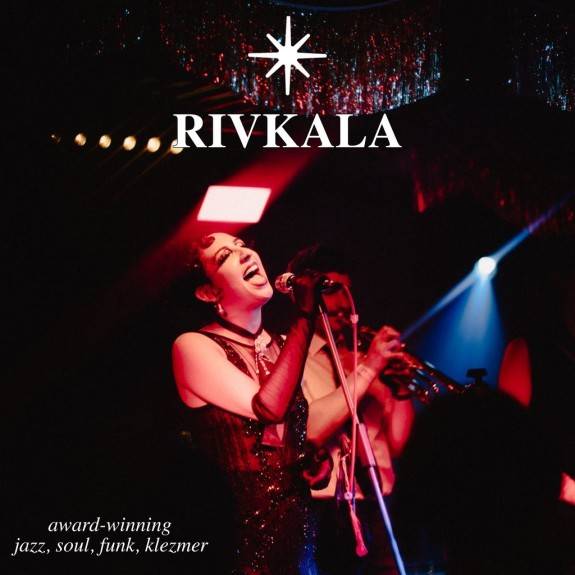
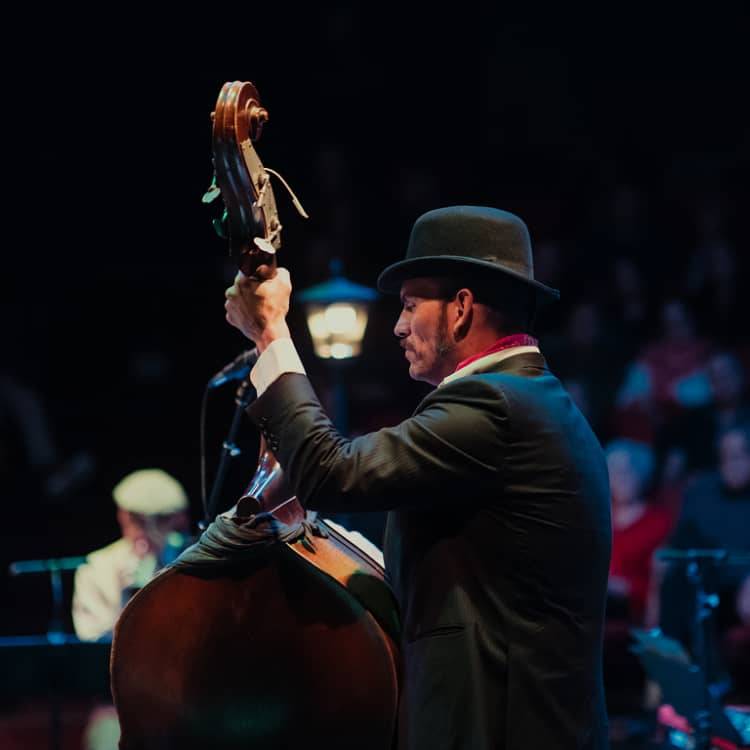
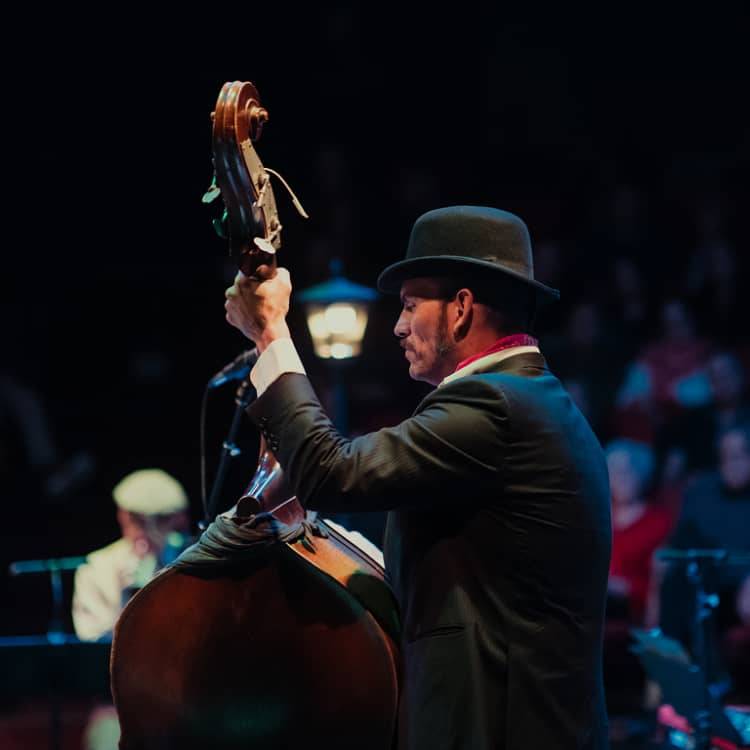
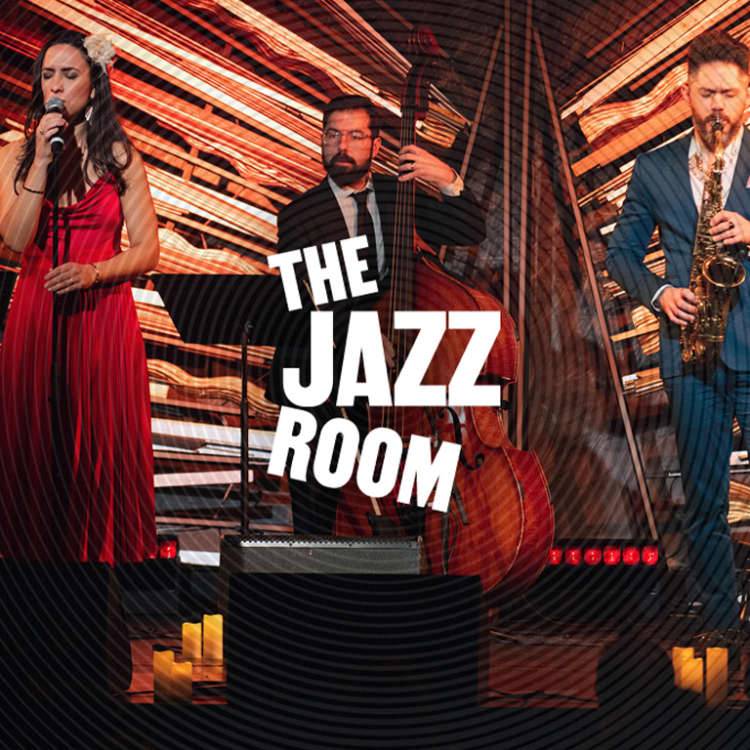
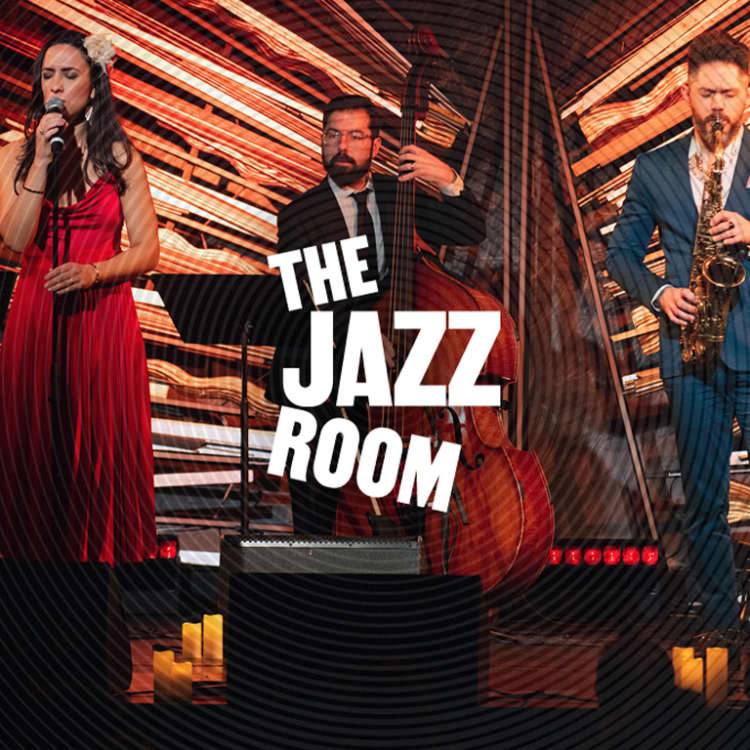
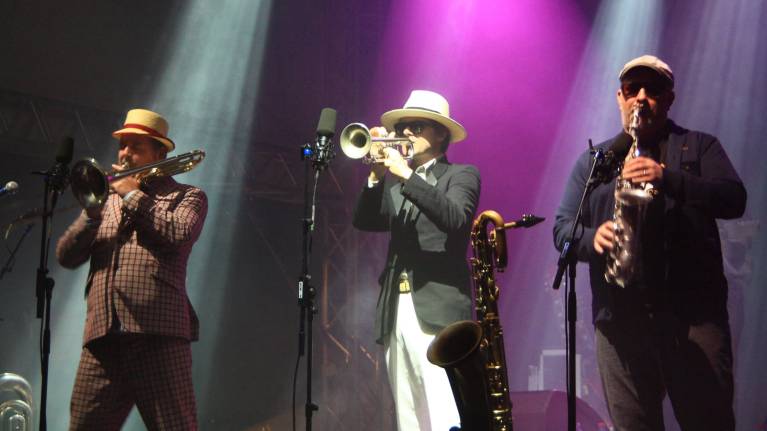
Jazz music, often synonymous with creativity and spontaneity, is a genre that transcends mere sound; it's an experience, a conversation between musicians and their audience. What makes jazz so captivating is its unique ability to blend structured harmonics with freeform improvisation. Each performance is a new adventure, as no two concerts are ever the same. Musicians draw from blues, swing, bebop, and bossa nova, creating complex rhythms and melodies that keep listeners on the edge of their seats.
History of Jazz Music
The origins of jazz can be traced back to the late 19th and early 20th centuries in the United States, especially within African American communities in New Orleans. This vibrant city served as a melting pot of musical styles, integrating African rhythms, European harmonic structures, and American blues. Legendary figures like Louis Armstrong and Duke Ellington brought jazz into the mainstream with swing and big band sounds during the early 20th century, setting the stage for modern transformations.
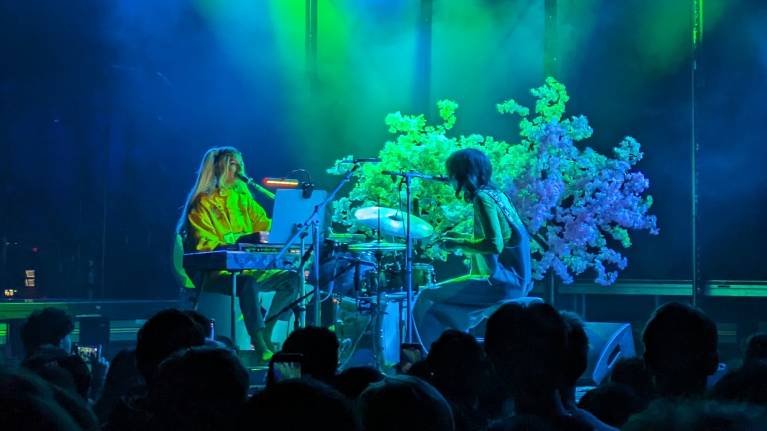
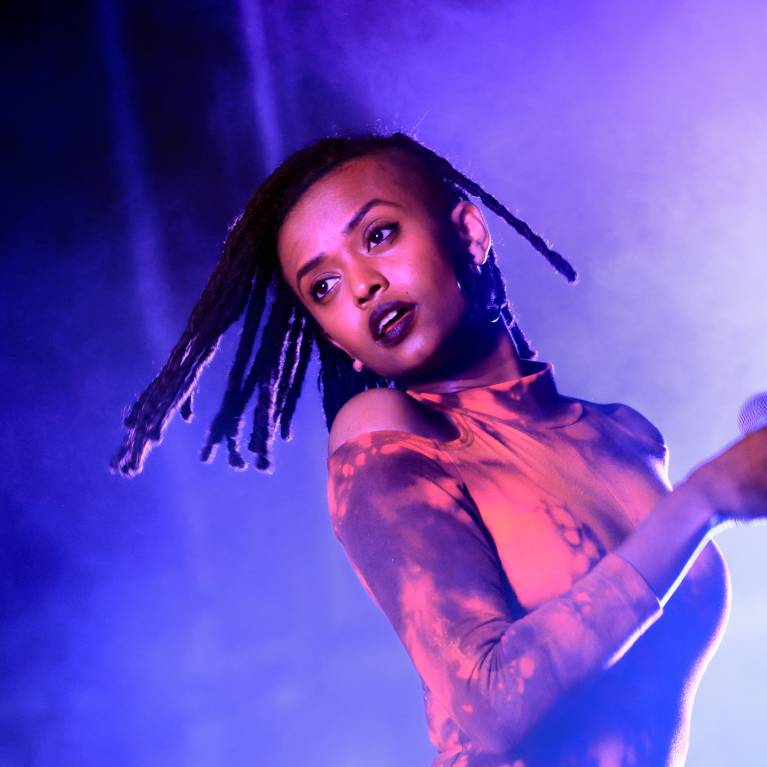
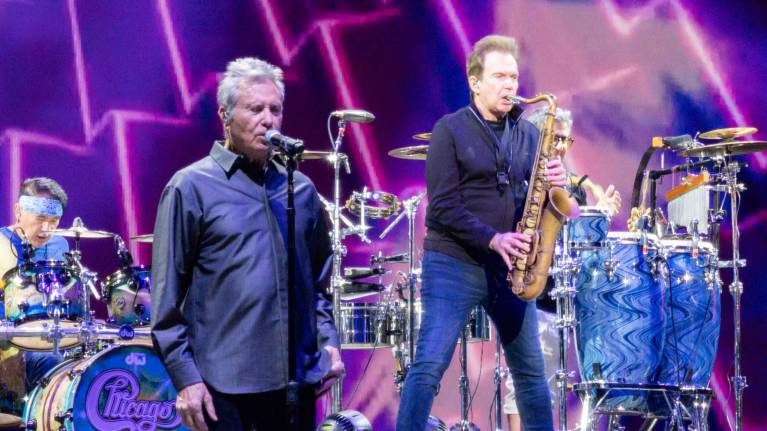
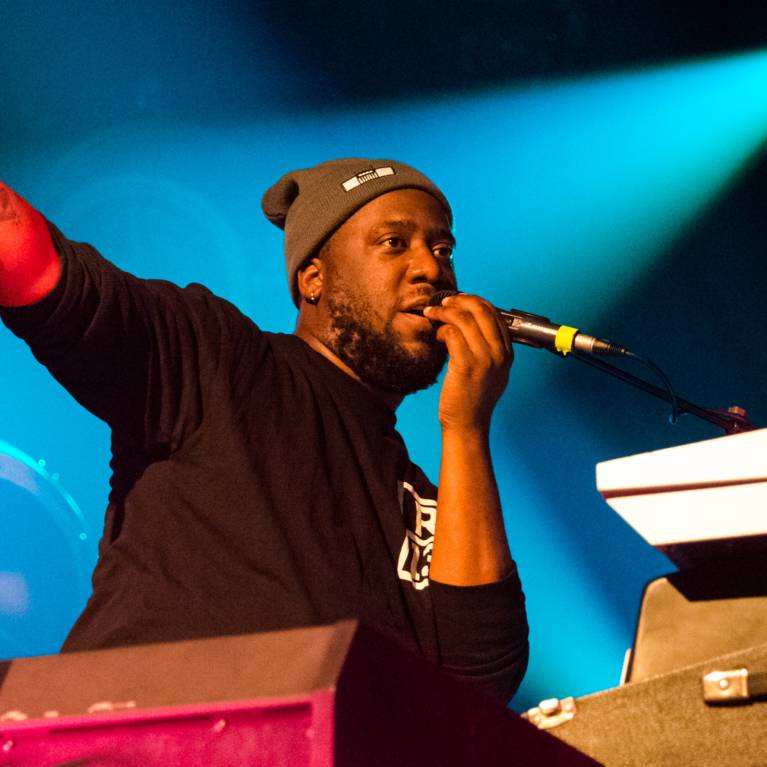
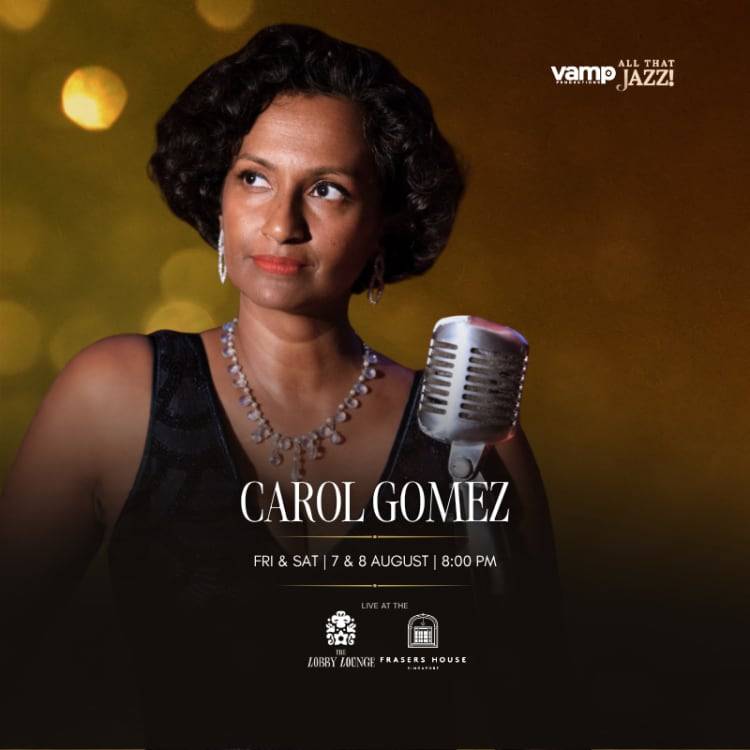
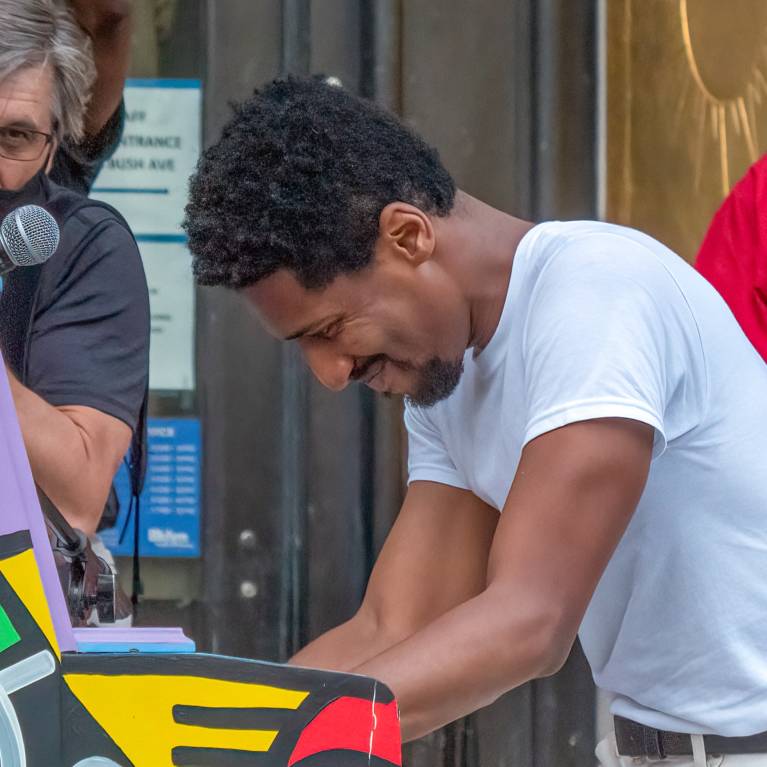
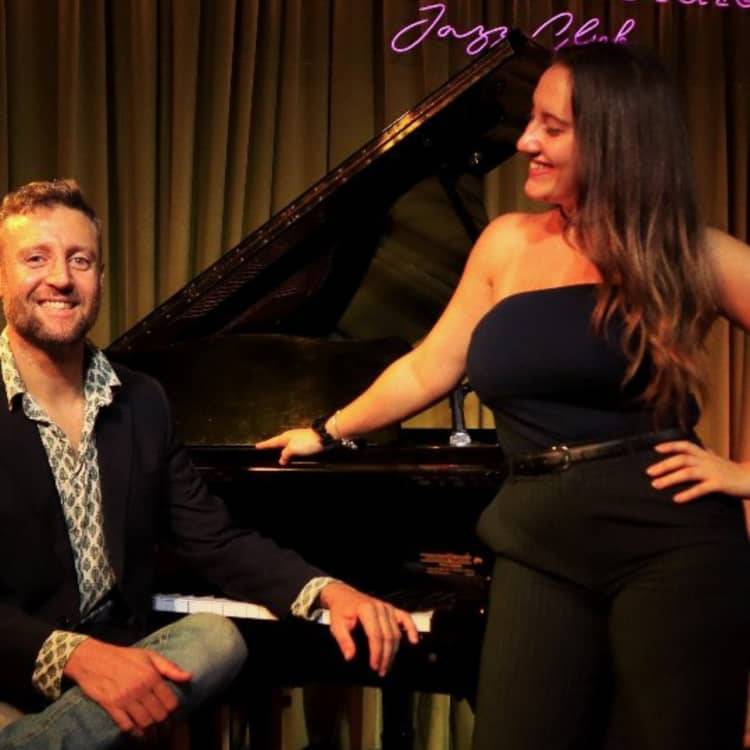
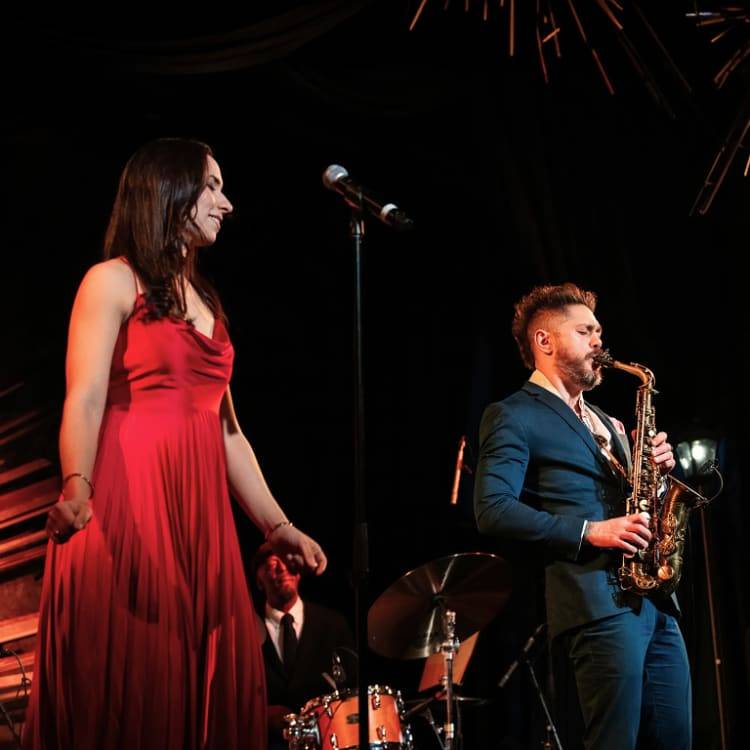
Fast forward to the present day, and jazz has evolved to incorporate elements of rock, funk, and world music, demonstrating its perpetual innovation. Artists like Kamasi Washington and Esperanza Spalding are pushing boundaries, redefining what jazz can be and attracting a new generation of enthusiasts. Today's jazz concerts are a celebration of tradition and progression, offering audiences the thrill of unexpected turns and the elegant interplay of masterful musicianship. Whether you're a longtime aficionado or a curious newcomer, jazz invites you to join its endless journey of exploration and expression.