Country and folk music are genres steeped in rich tradition and storytelling that captivate audiences with their raw authenticity and emotional depth. The music is celebrated for its ability to convey the human experience through simple yet profound melodies and lyrics. What makes country and folk music so relatable is its roots in cultural storytelling, often drawing on narratives of love, hardship, and the everyday lives of working-class people.
History of Country and Folk Music
Folk music has its roots deep in time and, despite its global origins, is uniquely regional, often drawing from traditional songs passed down through generations. In the United States, the folk music revival of the 1960s, led by figures like Bob Dylan and Joan Baez, brought social consciousness to the forefront of the genre, influencing movements for civil rights and peace.
The history of country music dates back to the early 20th century, originating in the Southern United States. It began as a blend of various musical influences, including Appalachian folk, blues, and gospel. Artists like Jimmie Rodgers and the Carter Family were pioneers who set the foundation for what would become a defining genre in American music. Over the decades, country music has evolved, incorporating elements from rock, pop, and even hip-hop, giving rise to diverse sub-genres while maintaining its storytelling essence.
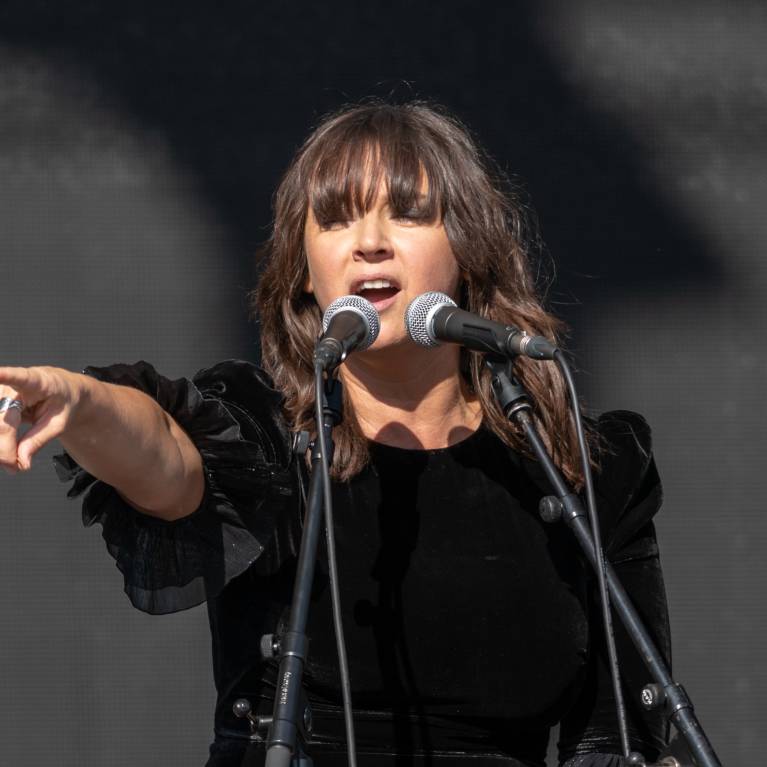
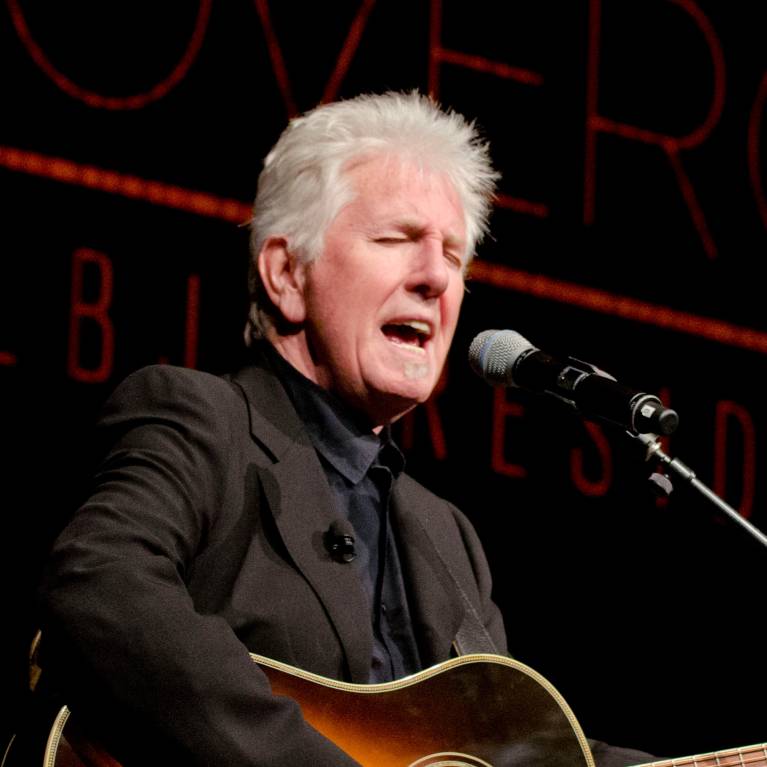
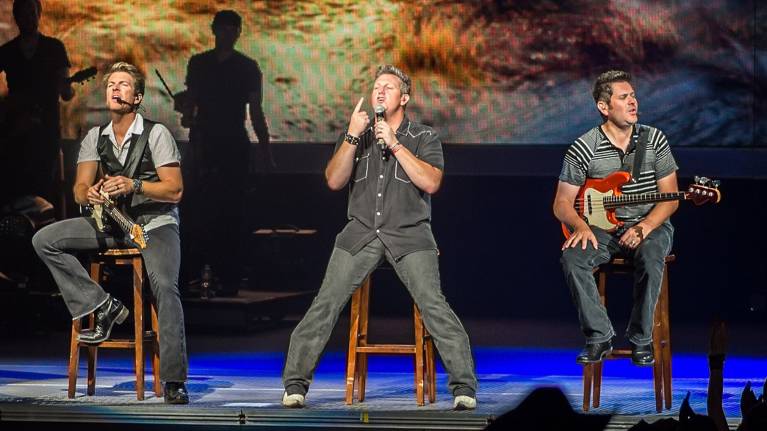
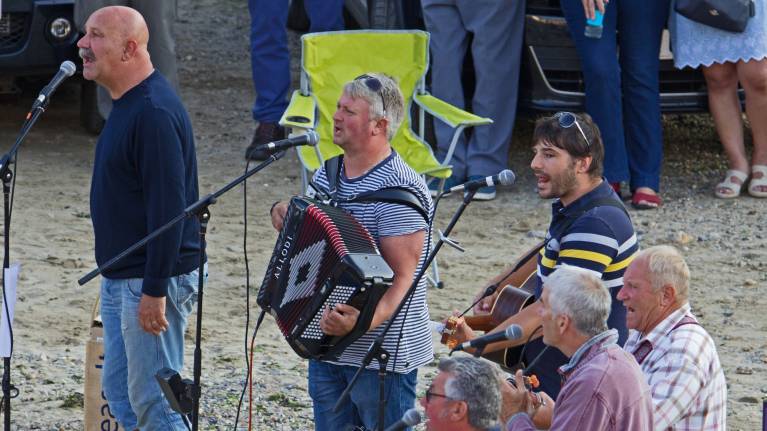
Today's country and folk concerts offer a vibrant exploration of past and present, where time-honoured traditions meet contemporary innovation, creating experiences that resonate deeply with audiences across generations.