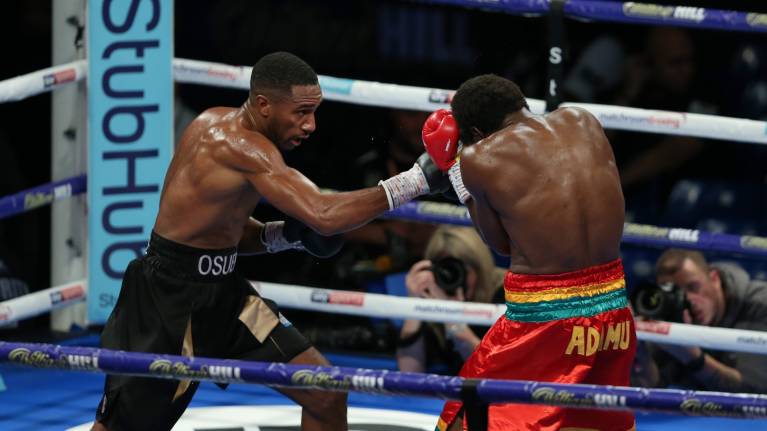
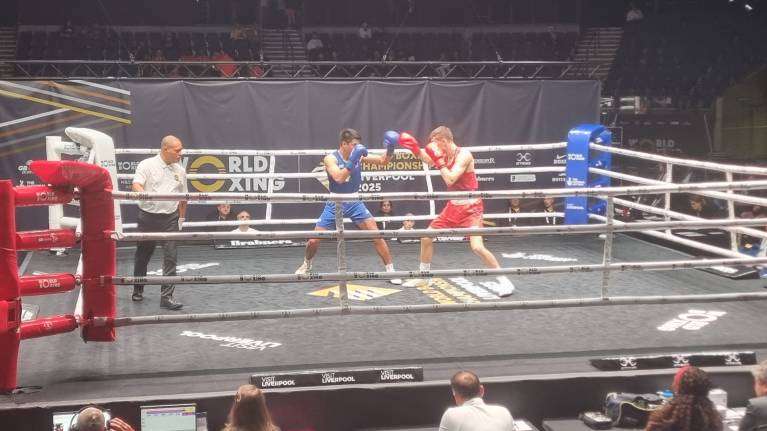
"Everybody has a plan until they get punched in the mouth." – Mike Tyson
When it comes to fame, fortune, and fans, the "sweet science" stands head and shoulders above all other combat sports. Although
Mixed Martials Arts has enjoyed an impressive surge in popularity since the turn of the millennium, boxing’s global appeal entertains millions of fans each year, whether they’re in person or watching on pay-per-view, and turns its top performers into bona fide superstars.
Boxing History
Boxing is a rousing combat sport that can trace its roots back to ancient times. Images of combatants squaring off with their fists can be found on carvings, sculptures, and even artefacts from civilisations like the Sumerians, Egyptians, and Minoans.
The modern competition descended from 17th century England, when bare-knuckle prize-fighting enjoyed popularity but owned a dubious reputation. Boxing gained wider acceptance in society following the introduction of padded gloves, weight classes, and a uniform set of rules, which elevated it in the eyes of the public from glorified bar-room brawl to respectable, strategy-filled skirmish.
Combining frightening power and aggression with nimble footwork and remarkable skill, today boxing is the world’s premier combat sport. It enjoyed many eras during the 20th century that could be considered a "Golden Age," from Jack Dempsey in the 1920s, Joe Louis and Sugar Ray Robinson from the 1930s through to the 1950s, or the epic rivalry between George Foreman and Muhammad Ali that culminated in the infamous "Rumble in the Jungle" in 1974.
Indeed, many of its world champions have become some of the biggest names across all sport, from Ali to Tyson to Floyd Mayweather Jr.
There’s a unique thrill that comes with seeing 2 rivals face off in the ring, and sport doesn’t get much more dramatic than a boxer beating the count to get back up off the canvas and back into the fight. As such, the sport has had a notable impact on popular culture, too, from Sylvester Stallone's iconic Rocky series of films to Oscar-winners such as Raging Bull and Million Dollar Baby.
Boxing Format & Scoring
Whether professional or amateur, the combatants in modern boxing matches compete for a predetermined number of rounds in a roped "ring" approximately 16 to 22 feet square. A Championship boxing match is typically fought over 12 rounds of 3 minutes (men) or 10 rounds of 2 minutes (women) and comes to an end when one of the fighters is unable to continue, having either been knocked out, deemed unfit by the referee, or their corner concedes defeat by quite literally “throwing in the towel.” When a fighter is knocked down, the referee will begin to count to 10 – if the fighter is not back on their feet by the end of that count, they are deemed to have been knocked out. Should the fight go the distance with neither fighter scoring a knockout, the outcome is determined by a panel of 3 judges who have assigned scores for each round.
The scoring system is known as the "10-point Must System." Judges assign both boxers a score out of 10 for each round of the fight; rounds are typically scored 10-9 in favour of the fighter who landed the better punches, showed effective aggression, or generally controlled the fight in that round. A round might be scored 10-8, if it was particularly one-sided or one of the fighters is knocked down.
A boxer's ultimate goal is to win titles – presented in the form of belts – in their respective weight class (or in some cases, multiple weight classes). Regional titles, such as British and European belts, are available, but the pinnacle of the sport are, naturally, world titles. The belts are overseen by boxing's 4 major sanctioning bodies, the World Boxing Association (WBA), World Boxing Council (WBC), International Boxing Federation (IBF), and World Boxing Organization (WBO), each of which offers its own title. A boxer who holds multiple belts in the same weight class is known as a "unified" champion, while the select individuals to have held all 4 belts simultaneously are known as "undisputed" champions.