Electronic Sports, better known as Esports, is a collection of organised multiplayer video-game competitions. Although professionalisation and commercialisation have come relatively recently to gaming, the growth of the sport is arguably just an extension of the longstanding “high score” features of early arcade games and pinball machines. In the late 20th century this was then advanced further as 1v1 games became increasingly popular, pitting players against each other in real-time, via multiple sets of controls.
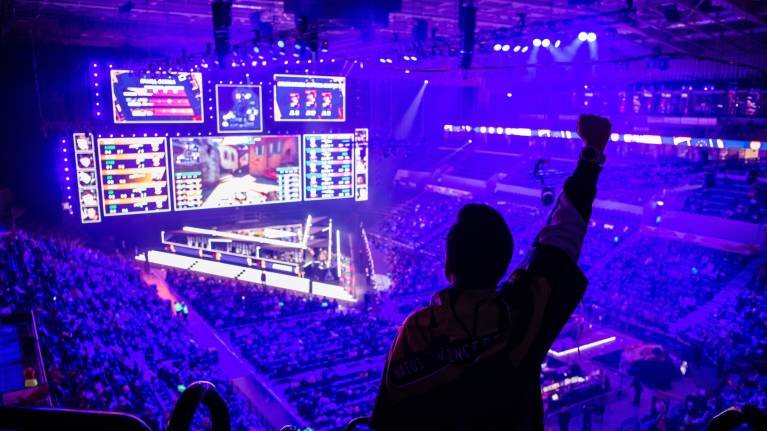
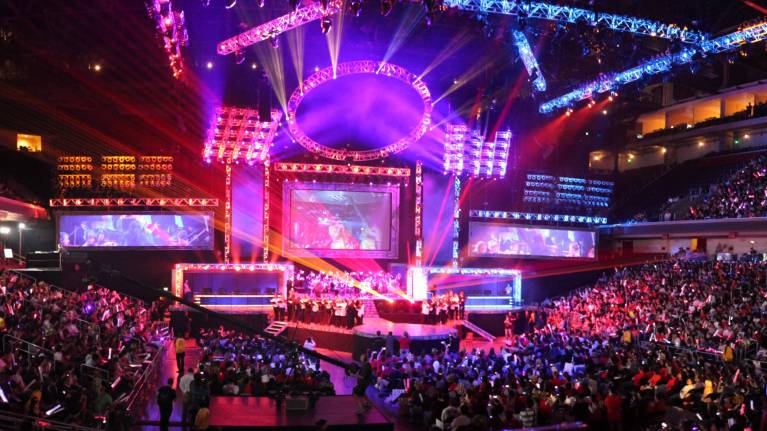
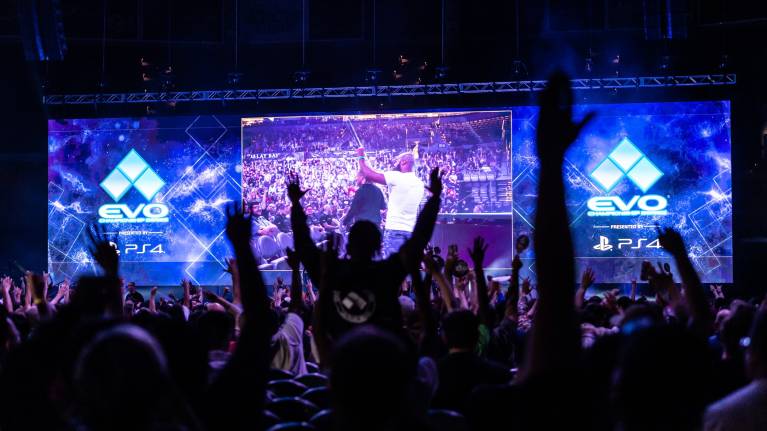
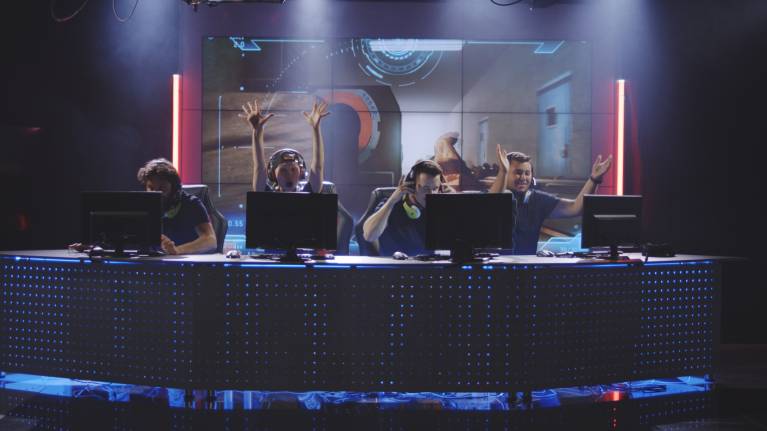
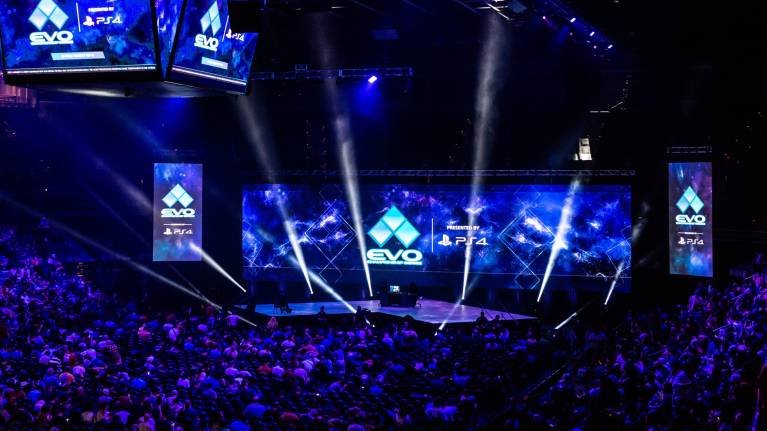
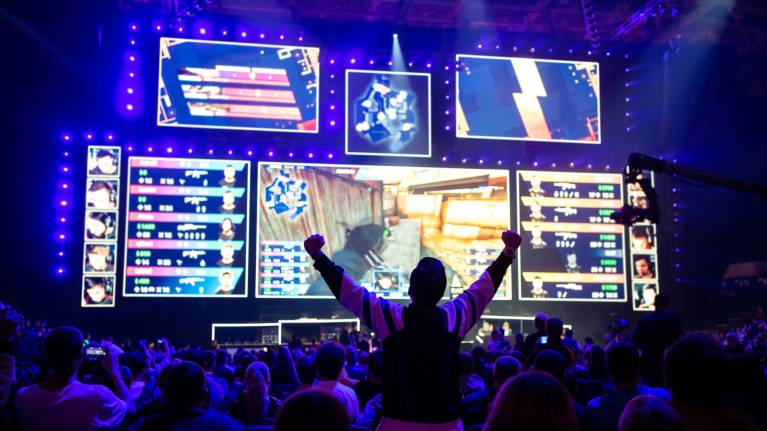
As video games and gaming culture have become more and more mainstream, access to esports events has grown too; players no longer need to wait their turn to better their friends’ scores, or sit in one room on a LAN connection, and the proliferation of online gaming and streaming have created global networks and communities dedicated to particular video games and wider genres. Today, esports events are live and immersive celebrations of a game or games, with skilful winners and rueful losers, generous prize-pots and celebrity appearances, and passionate, frenzied crowds!
💯 Esports Format & Scoring
Esports events can be incredibly diverse, and their format depends heavily on the type of game or games being played. Some events are dedicated to just one game – for example, there are multiple league events which solely include Rocket League or Call of Duty players. Other events are filled with multiple games – matches can take place across multiple formats simultaneously, with winners crowned under each individual game title. Many multi-game events are focused around one genre, such as fighting games.
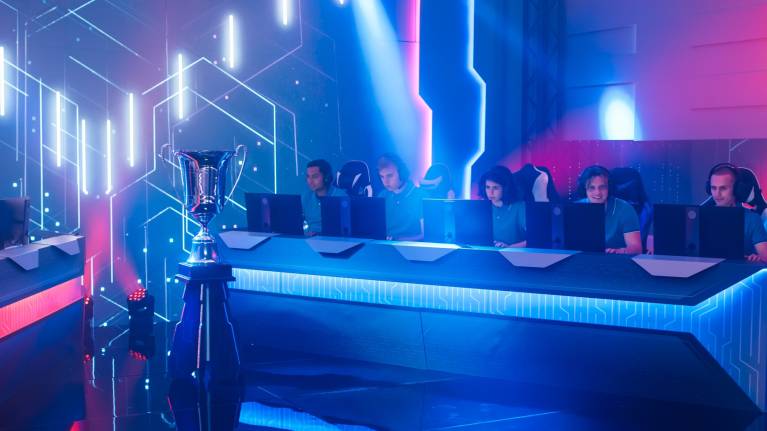
Most competitions and tournaments crown their winners per event, but some league events only have overall end-of-year winners, with the final result being decided across many weeks’ worth of events. Many of the most popular esports titles lend themselves to knock-out competition: qualifying days are followed by a main draw, in which rounds of gameplay thin the player field, concluding with a grand final between individuals, pairs, or teams.
Esports governance is relatively decentralised, and the authorities, leagues, and federations which organise esports events very often operate on a game-by-game basis, with national oversight applied to differing degrees around the world. Some tournaments host well-paid professional teams, whilst some just include amateur players. Events can therefore have incredibly varied levels of competitiveness, financial backing, and promotion – but all in-person events are attended by hordes of die-hard fans!