"Reggae is not just music, it’s a lifestyle, it’s a culture, and it’s a movement of positive vibrations." — Sizzla
Reggae music, with its rhythmic pulse and soul-stirring melodies, offers a vibrant and colourful escape into the heart of Caribbean culture. Originating from the lively streets of Kingston, Jamaica, reggae brings a unique blend of rhythmic backbeat, rich bass lines, and socially conscious lyrics. What sets reggae apart is its unifying message of love, peace, and resilience, making it more than just a genre - it's a movement.
History of Reggae Music
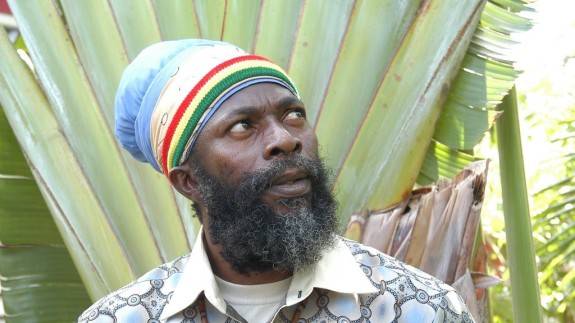
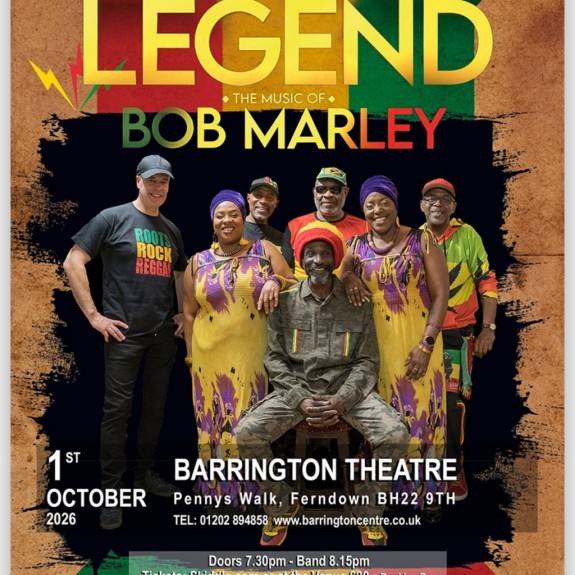
The history of reggae is deeply intertwined with Jamaica's socio-political landscape. Emerging in the late 1960s, reggae evolved from earlier Jamaican styles like ska and rocksteady. It gained international acclaim in the 1970s thanks to iconic figures like Bob Marley, Peter Tosh, and Jimmy Cliff, who used the music as a platform for addressing social and political injustices. The Rastafarian movement, with its calls for spiritual and social liberation, heavily influenced reggae's development, imbuing it with a profound sense of identity and resistance.
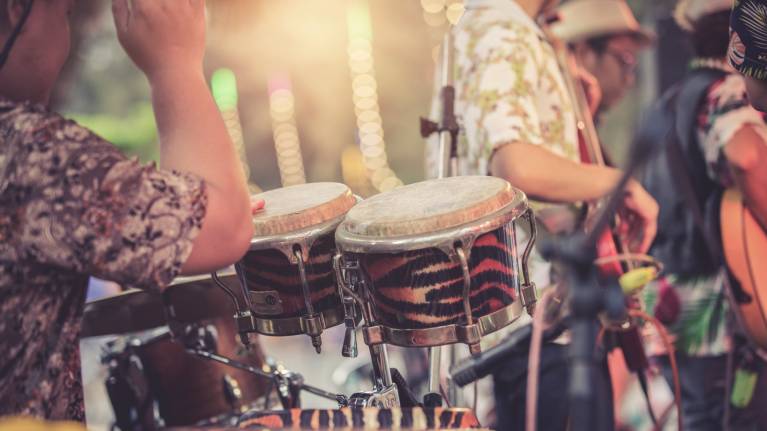
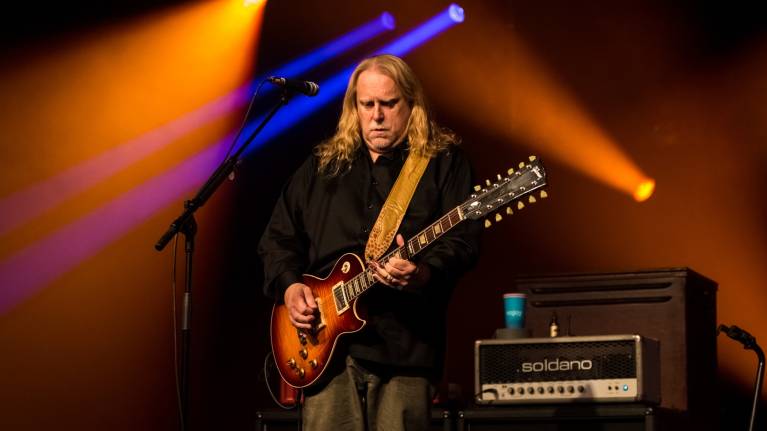
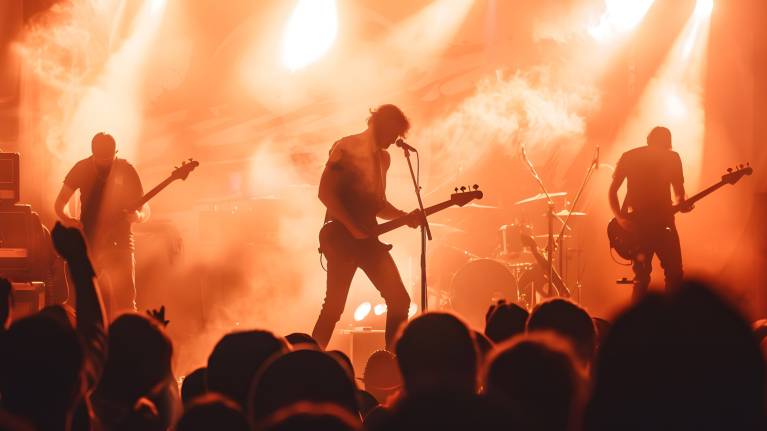
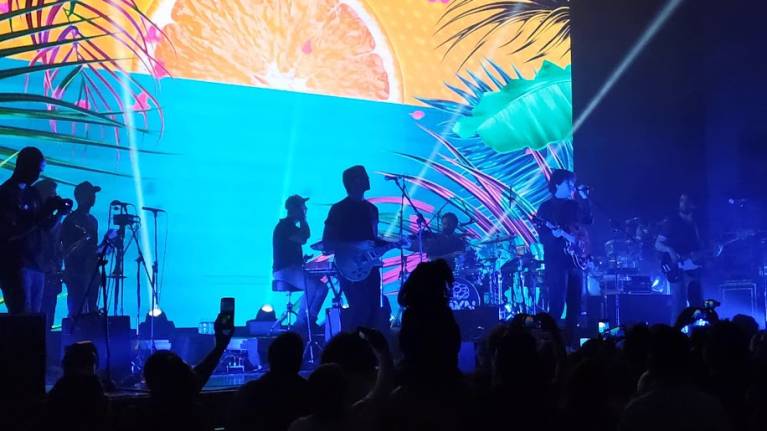
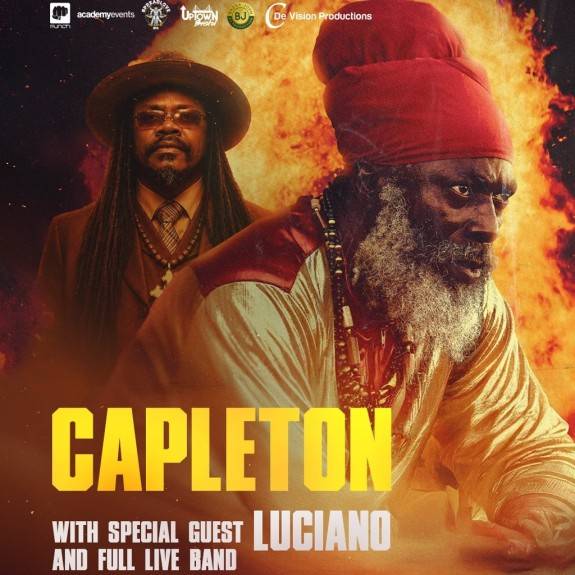
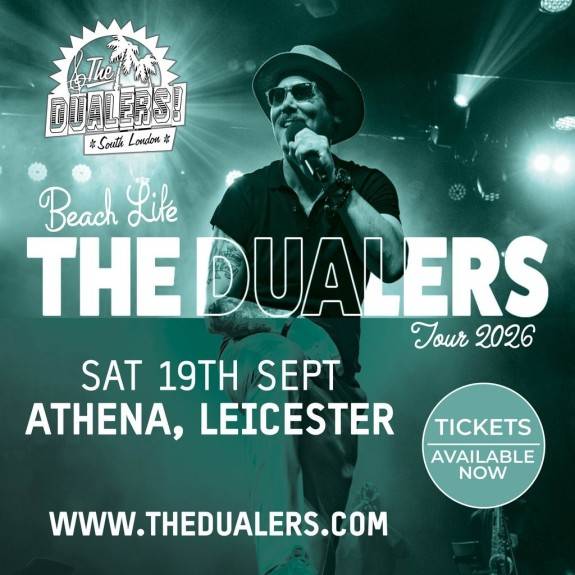
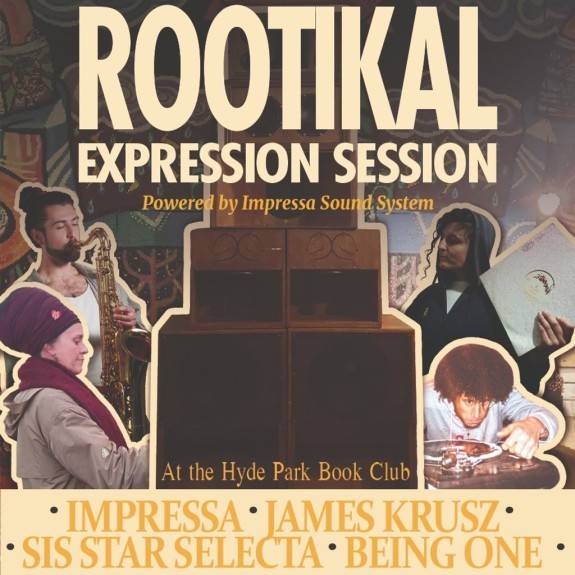
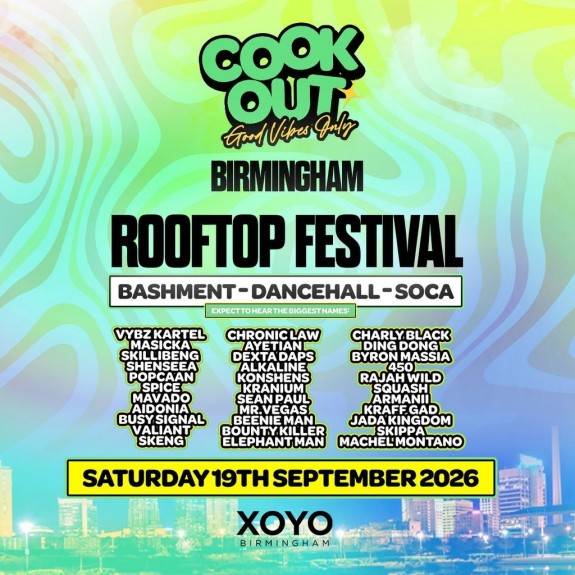
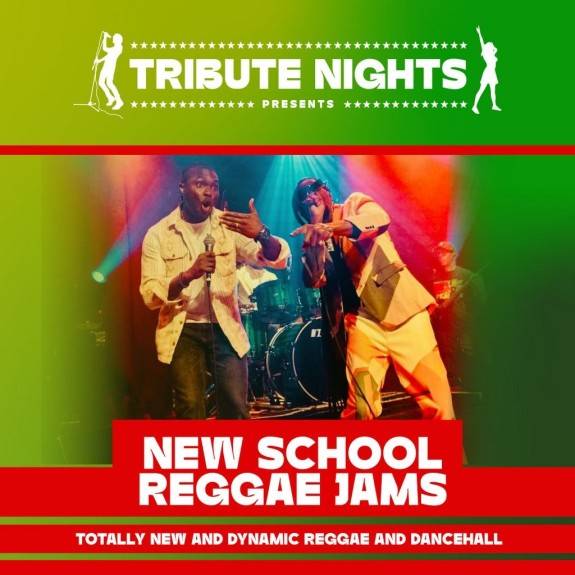
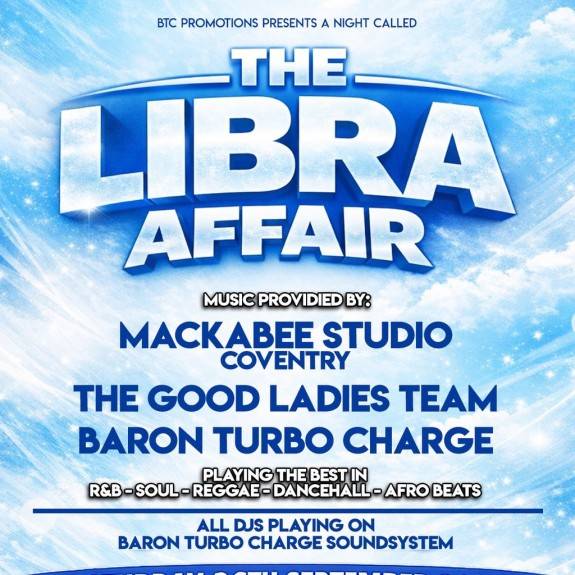
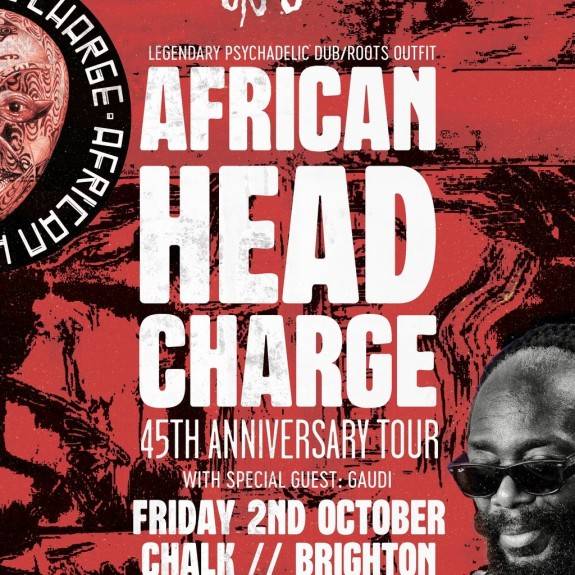
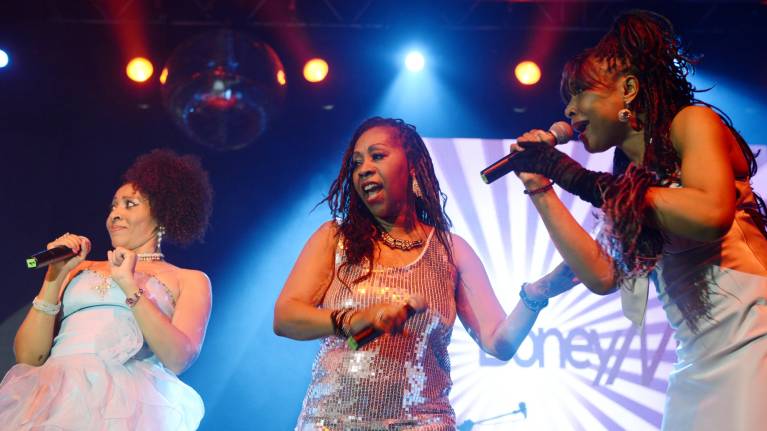
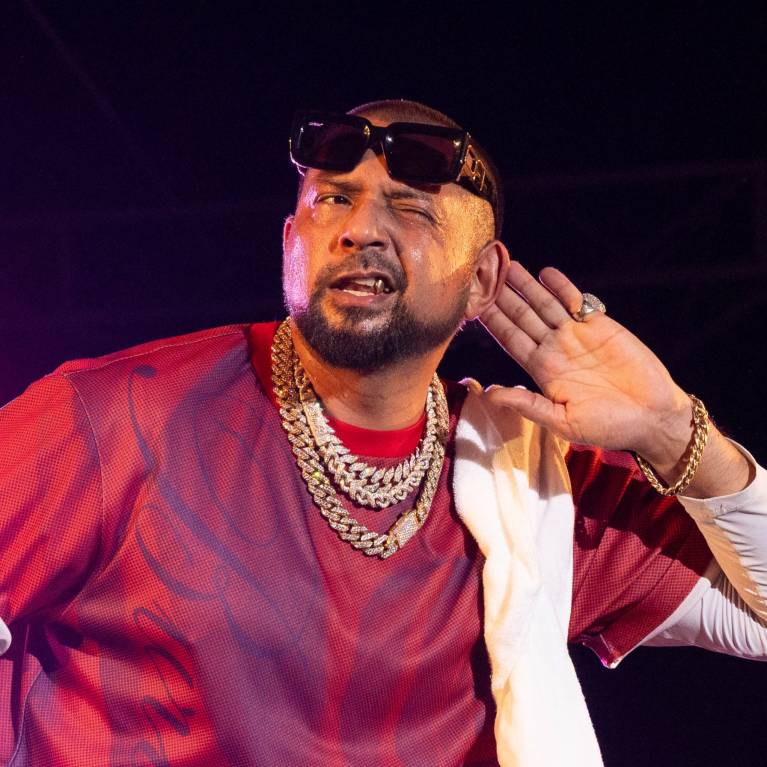
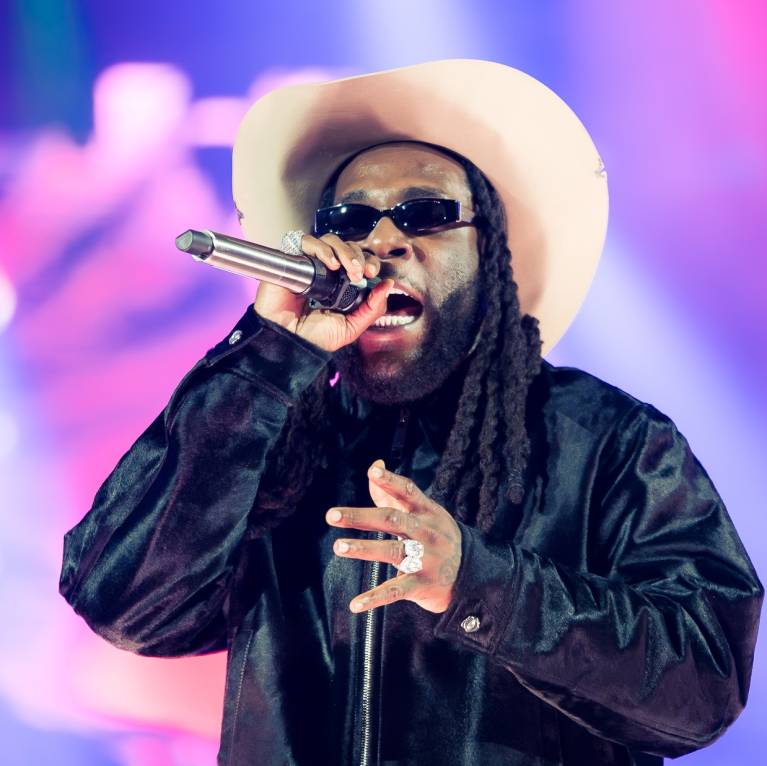
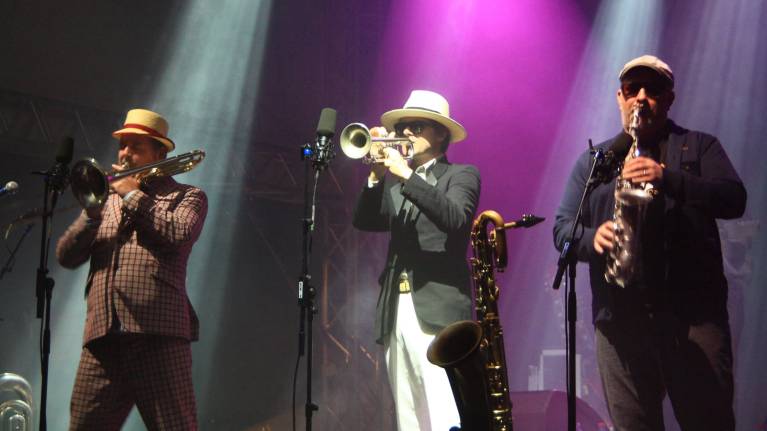
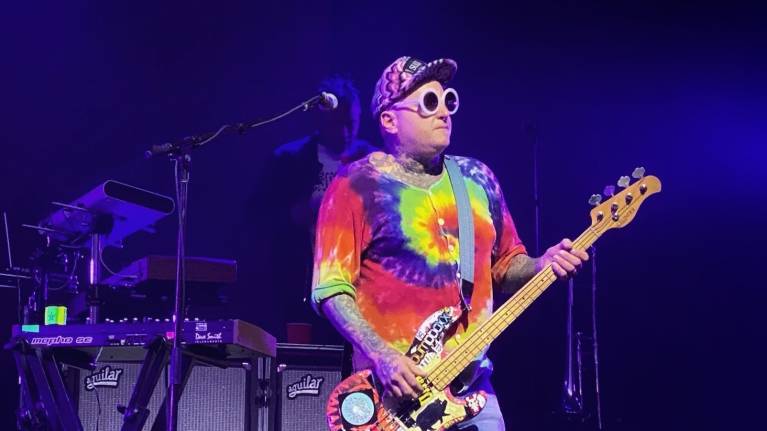
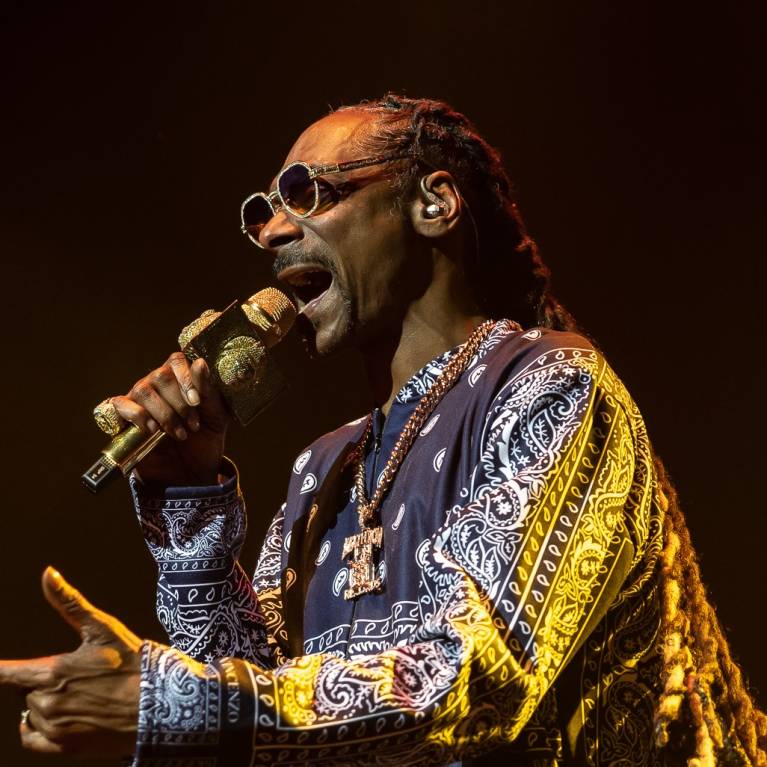
Today, reggae concerts offer a transcending musical experience that create communal gatherings filled with positive energy and consciousness. Fans can find themselves swaying to the hypnotic beats and making connections through shared appreciation and joyful harmony. Events typically showcase a mix of iconic legends and emerging artists, preserving reggae's roots while infusing it with contemporary flair.