"The soul of Latin music lies in its ability to make us feel, dance, and live in its joyous essence." – Ricky Martin
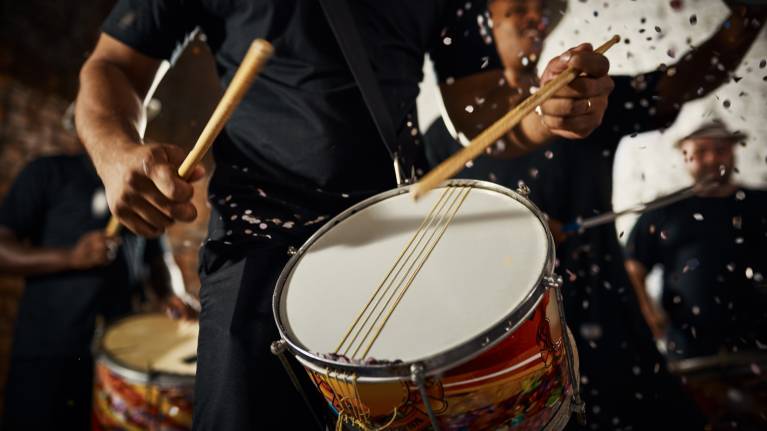
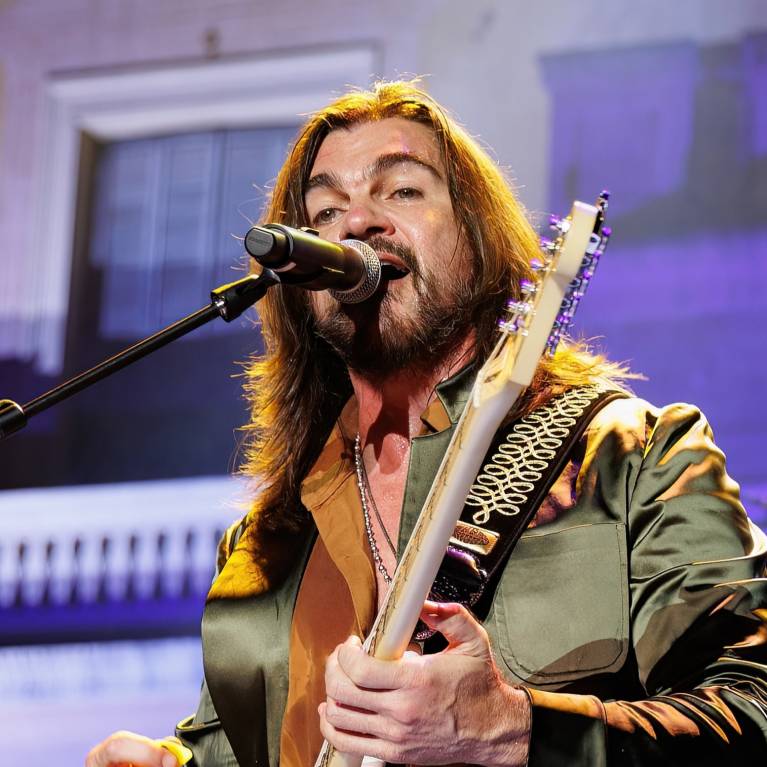
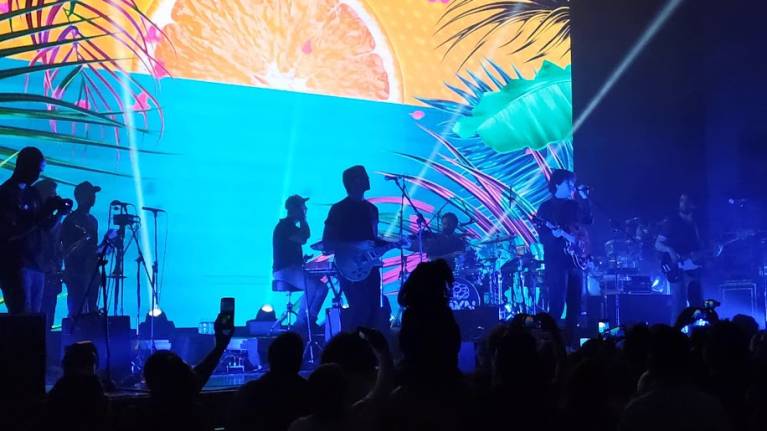
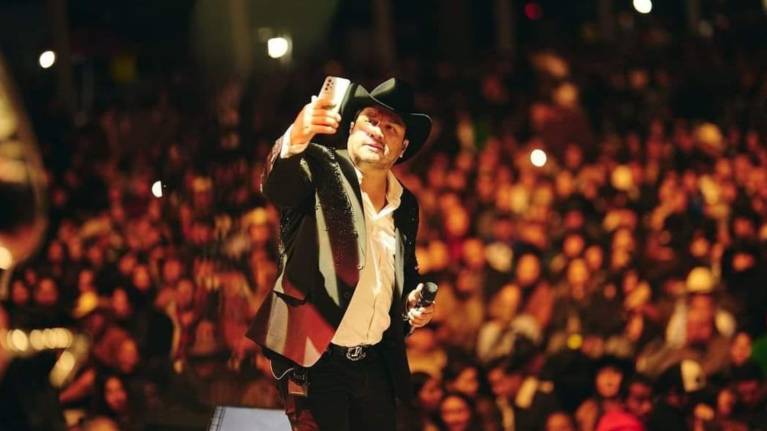
Latin music is a vibrant and diverse genre that thrills audiences worldwide, bringing an invigorating blend of rhythm, culture, and emotion to any event. Its infectious beats and dynamic performances set the stage for unforgettable concerts, where the audience can’t help but to move and sway. From salsa to reggaeton, bachata to cumbia, Latin music is celebrated for its rich tapestry of sounds that reflect the cultural diversity across Latin America and beyond.
History of Latin Music
Latin music traces its roots back to the indigenous, African, and European influences that have shaped Latin America’s cultural heritage. In the 20th century, genres like samba, tango, and mariachi gained international prominence, capturing the world’s imagination. The late 20th century brought a new wave of genres such as salsa and merengue, spearheaded by artists who crossed over into mainstream success.
In recent decades, the rise of Latin pop and urban genres like reggaeton and Latin trap have transformed global charts, thanks to mega-stars like Shakira, Bad Bunny, and J Balvin. These artists continue to redefine the landscape, blending English and Spanish lyrics while experimenting with electronic and hip-hop influences. Latin concerts are not just music shows; they are cultural celebrations that offer an immersive experience, connecting people from diverse backgrounds through a universal language of rhythm and passion.