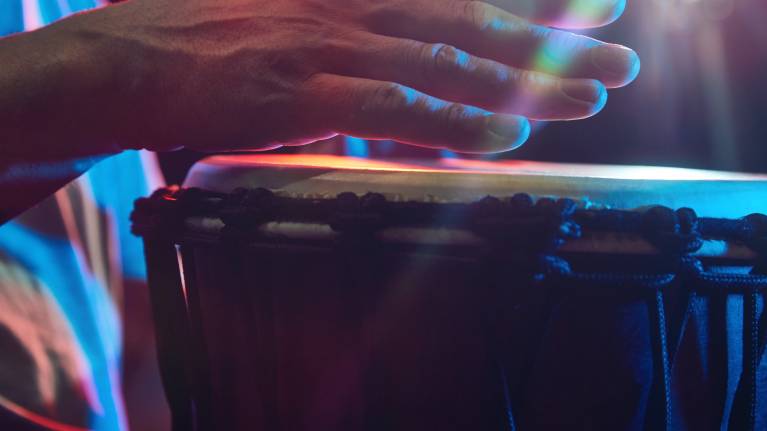
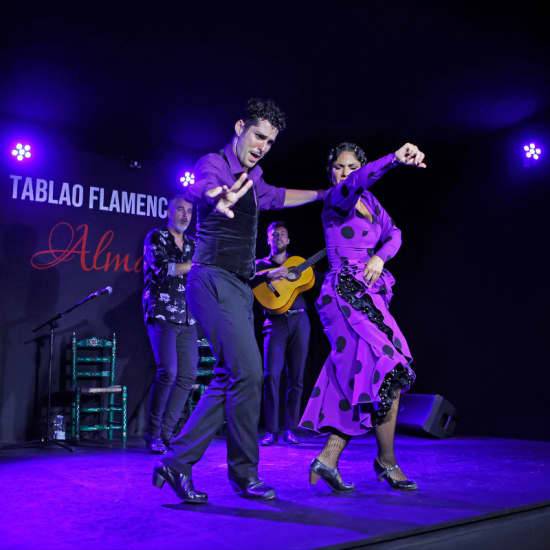
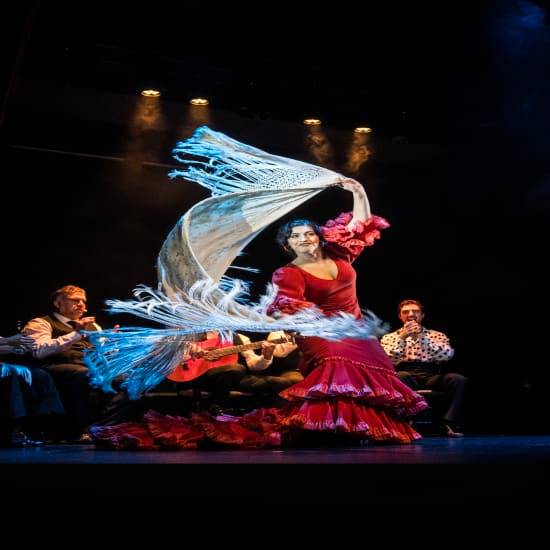
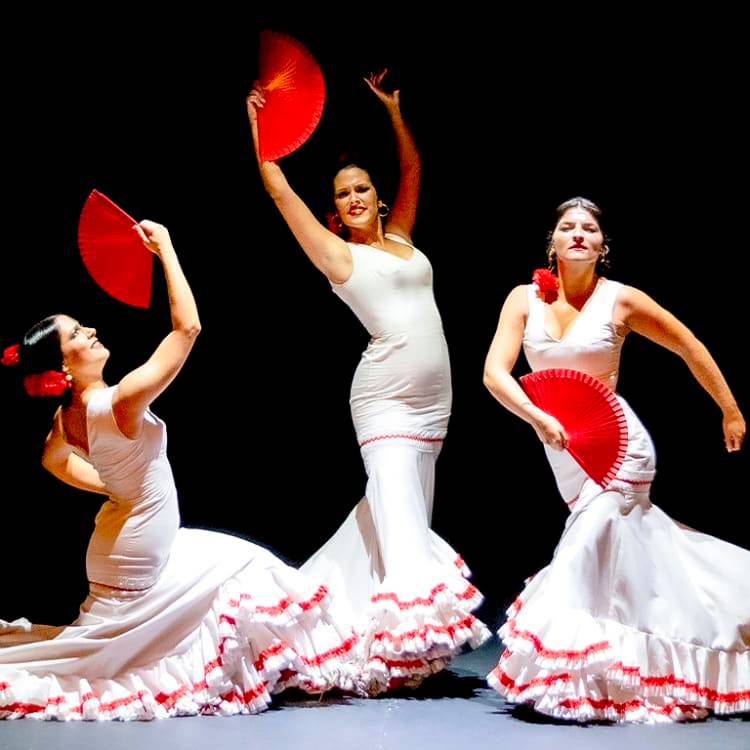
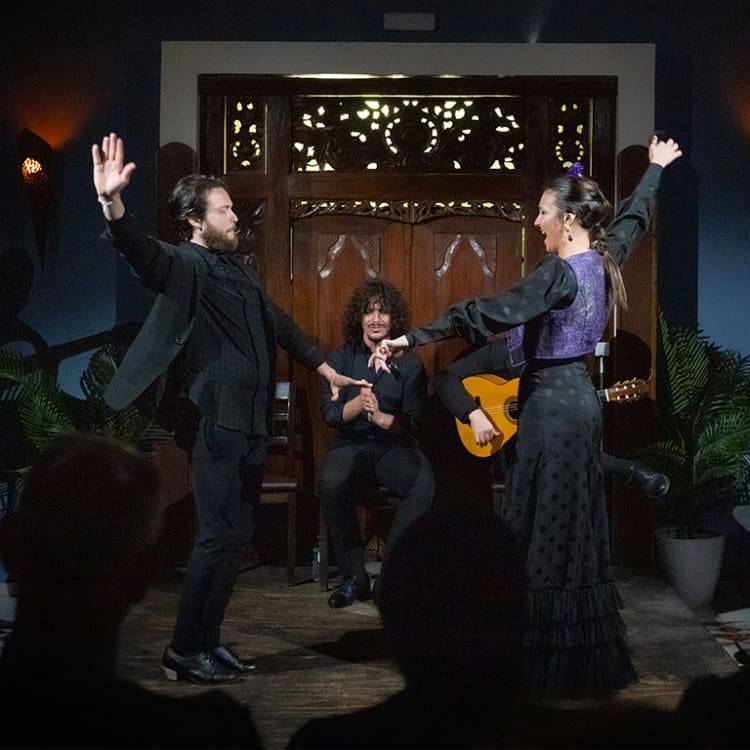
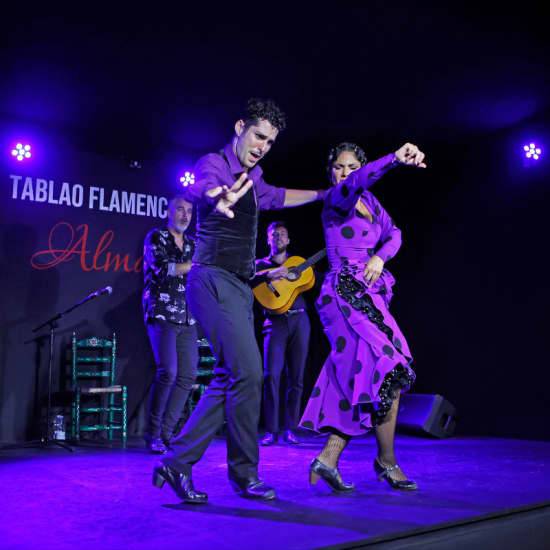
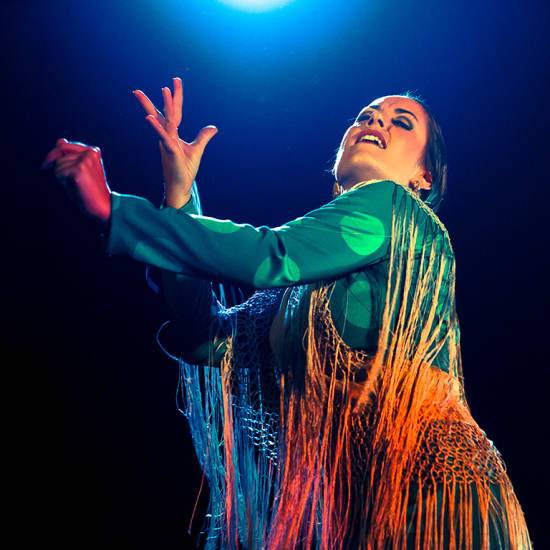
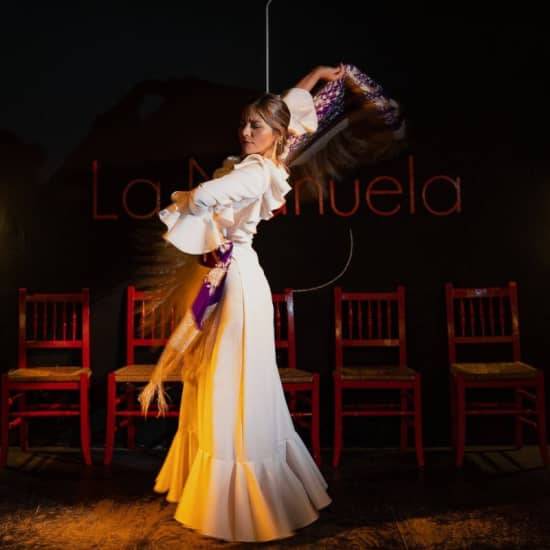
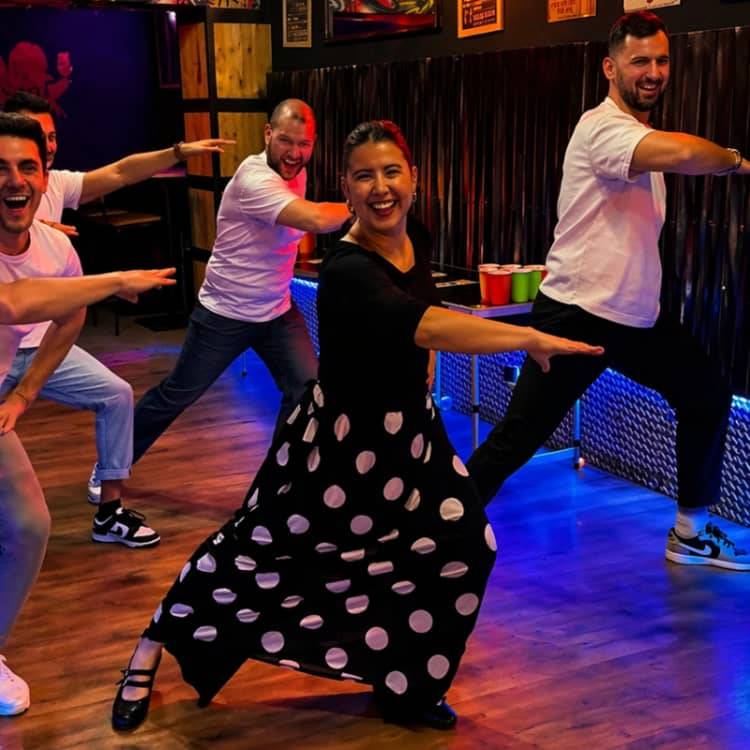
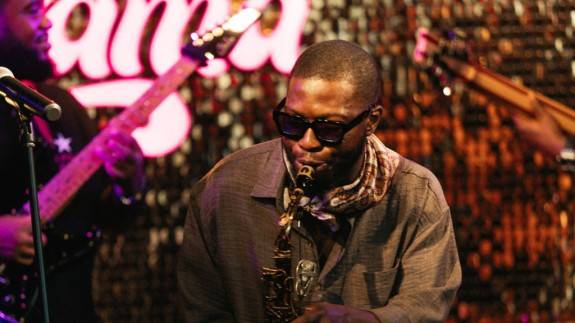
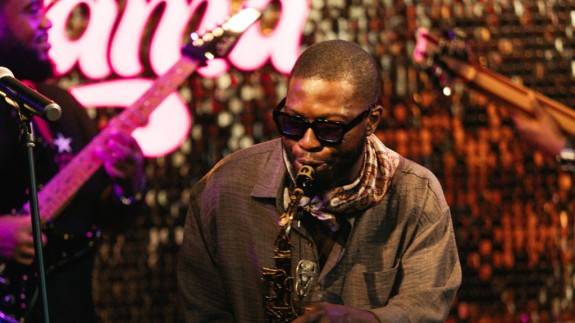
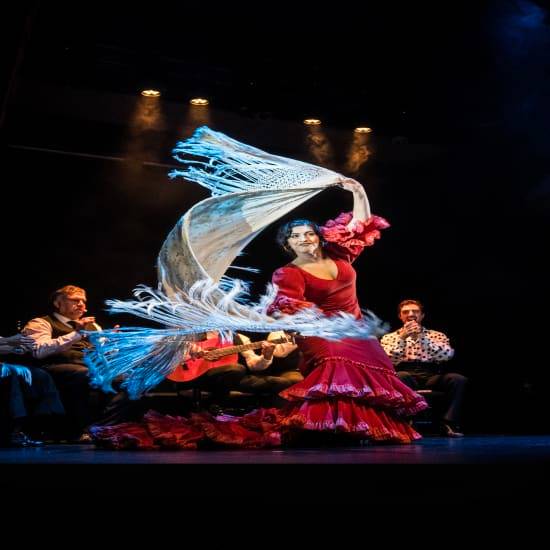
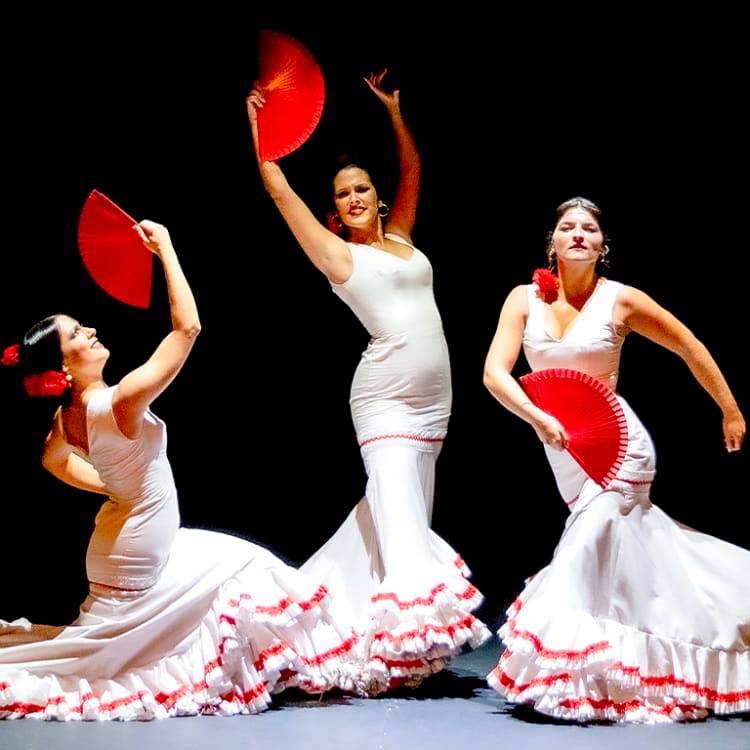
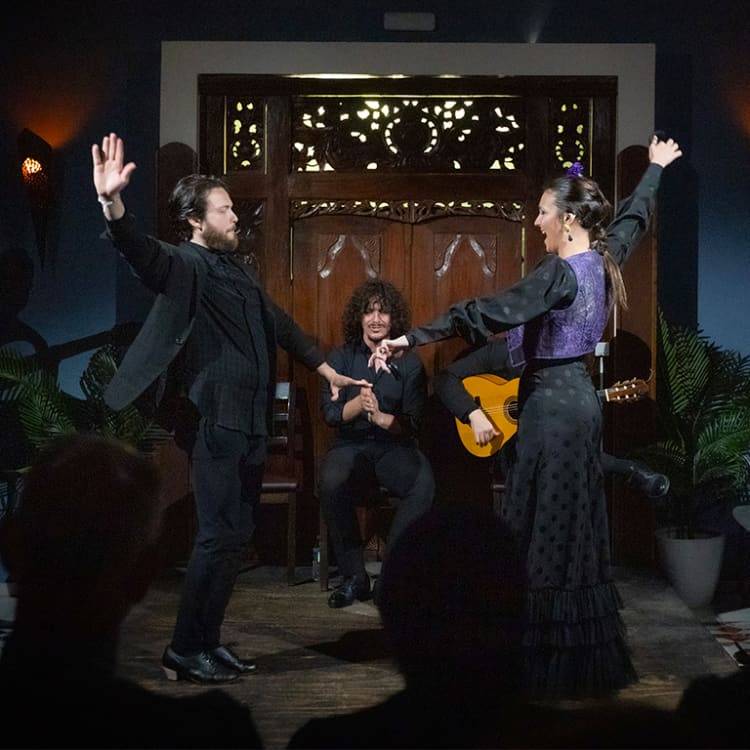
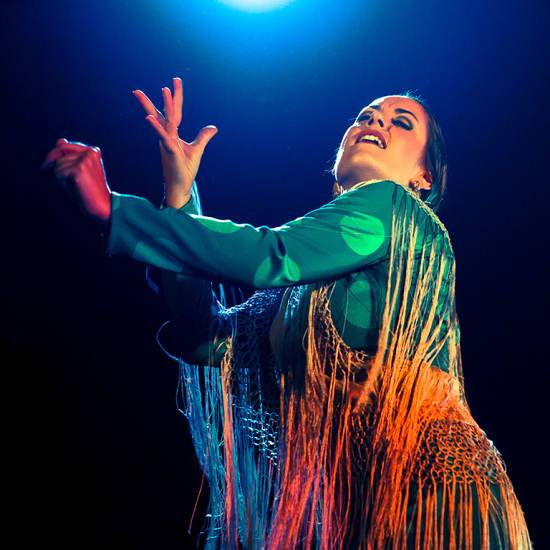
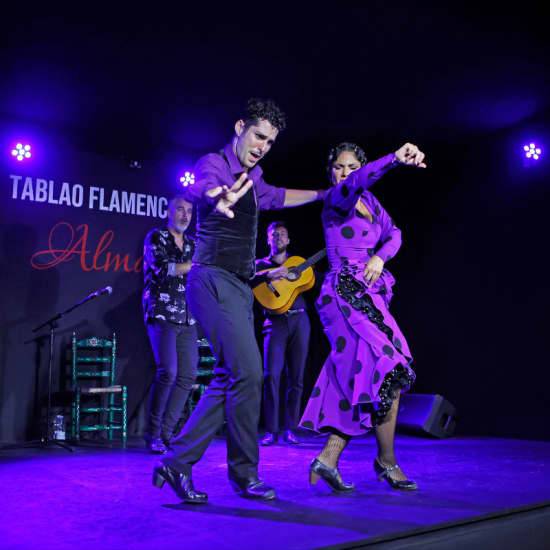
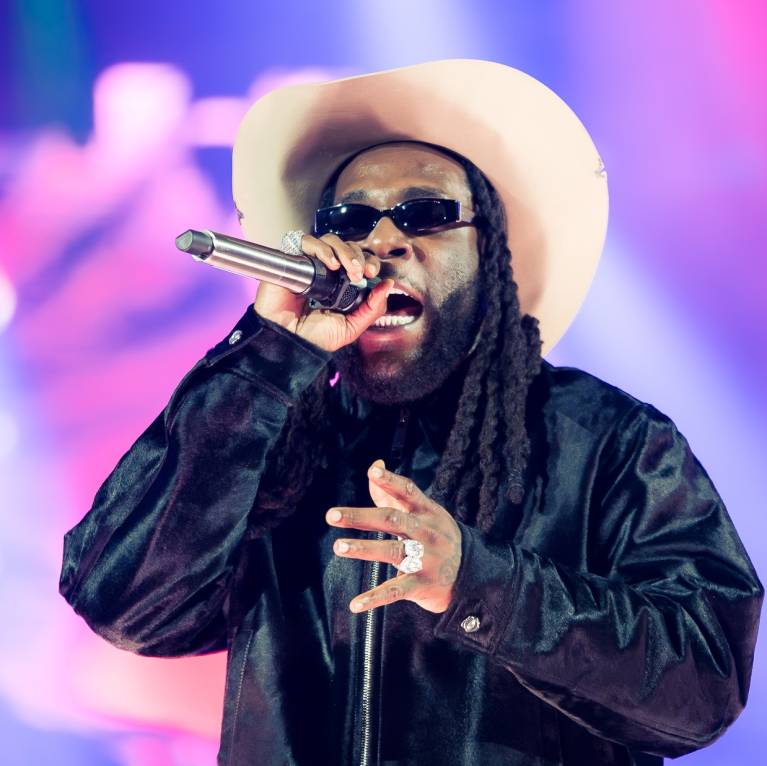
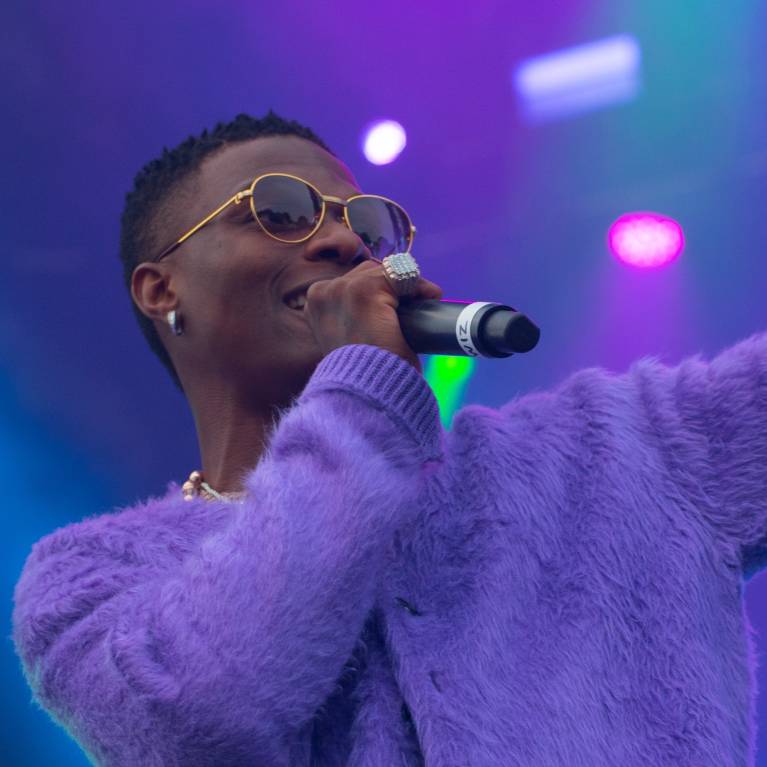
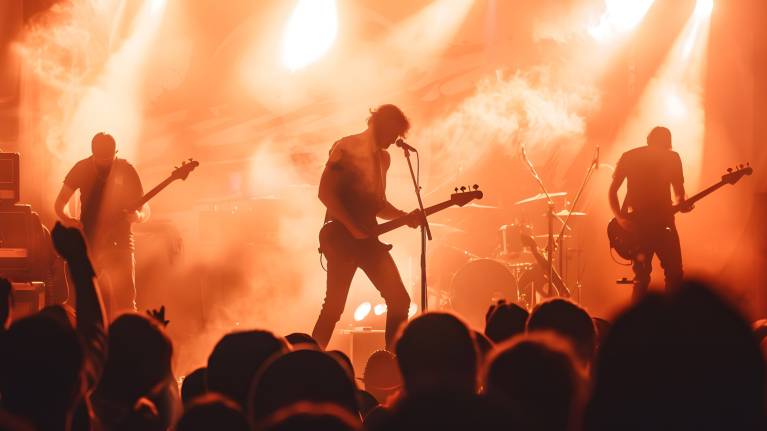
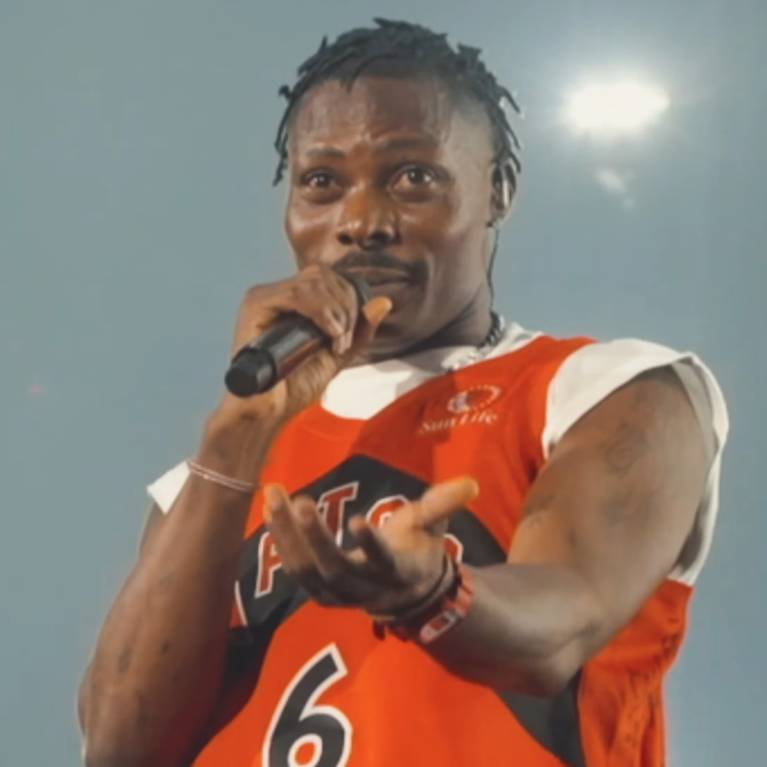
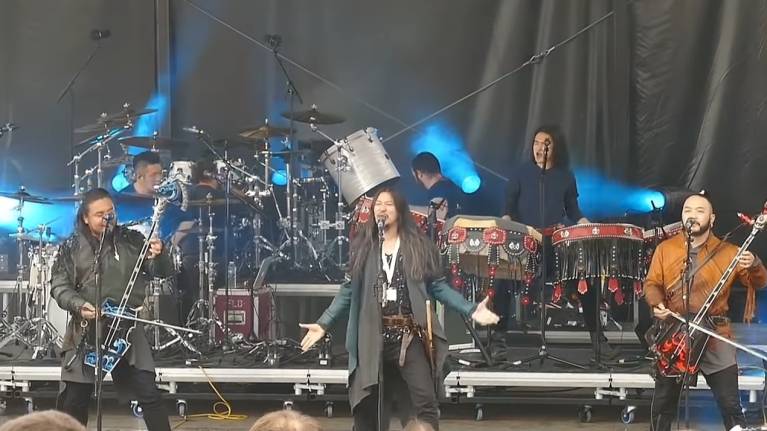
World music is where borders blur and rhythms travel. It’s a catch‑all term for sounds rooted in local cultures—West African drums, Indian ragas, Balkan brass, Middle Eastern oud, Latin folk - that are now shared on global stages and playlists. In concert, this music is especially powerful: you don’t just listen, you feel the pulse of different traditions coming together in real time, often with dancing, call‑and‑response, and instruments you may never have seen before.
History of World Music
Music itself is one of humanity’s oldest languages. Archaeologists have found bone flutes from over 40,000 years ago, and every ancient civilization - from Mesopotamia and Egypt to China and Mesoamerica - developed its own musical systems for ritual, celebration, and storytelling. The 20th century’s recordings and radio set these traditions in motion, sparking jazz, blues, rock, salsa, reggae, and countless hybrids. Today, streaming platforms and international festivals mean a singer in Mali can collaborate with a producer in London, or a Colombian band can fill a club halfway around the world.
World music concerts celebrate this interconnected age: rooted in place, but made for everyone willing to listen.