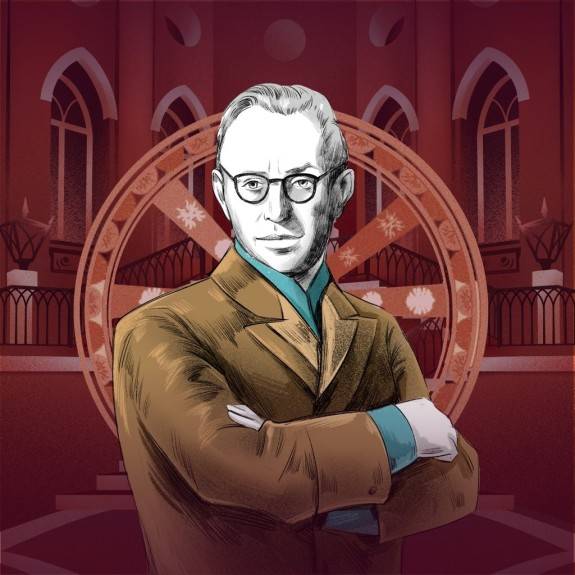
"I play the notes as they are written, but it is God who makes the music." – Johann Sebastian Bach
Classical music, a enchanting tapestry woven across centuries, offers an unparalleled journey into the depths of human emotion and expression. What makes it so captivating is its dynamic range and profound versatility. From the delicate whispers of a Mozart sonata to the thunderous crescendos of a Beethoven symphony, classical music transcends the mere auditory to touch the intangible essence of the soul.
History of Classical Music
Historically, classical music's roots stretch back to the profoundly spiritual compositions of the Medieval era, characterized by Gregorian chants. It evolved through the complexity of Baroque compositions with composers like Bach, and into the elegant simplicity of the Classical period with Mozart and Haydn. The Romantic era saw composers such as Chopin and Liszt channel intense emotion and nationalism into their work. Into the 20th century, composers like Stravinsky and Schoenberg shattered conventional boundaries, leading us into modern experimental sounds, and eventually into postmodern and contemporary classical innovations.
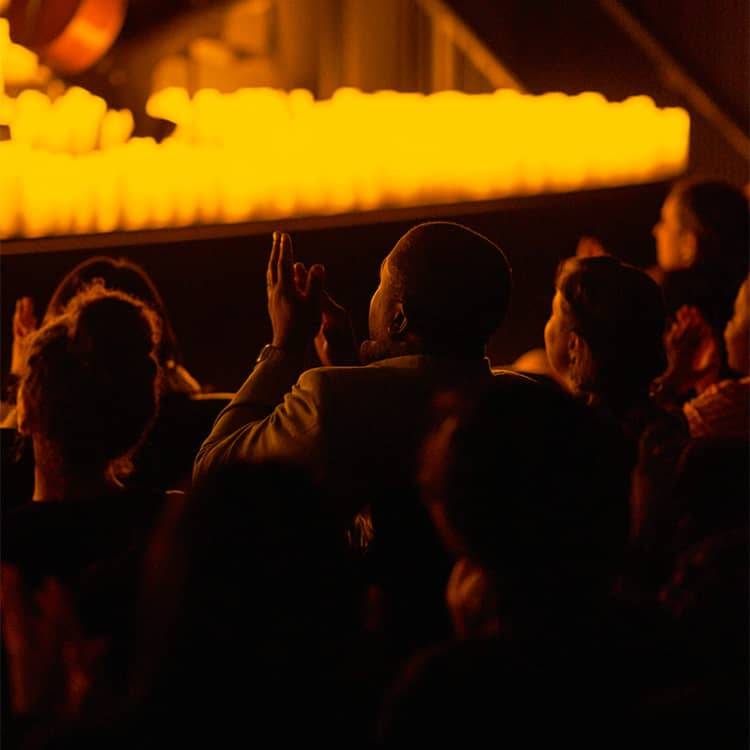
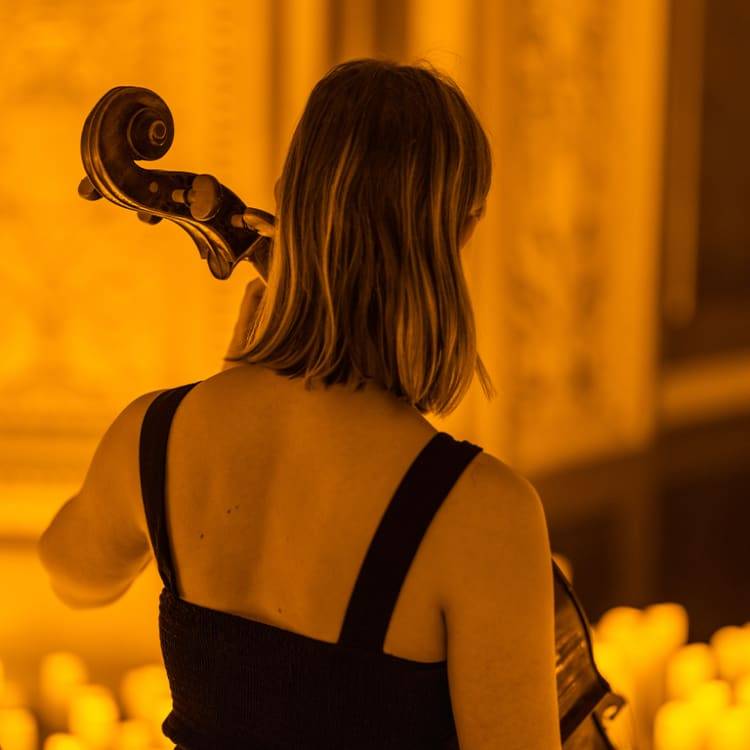
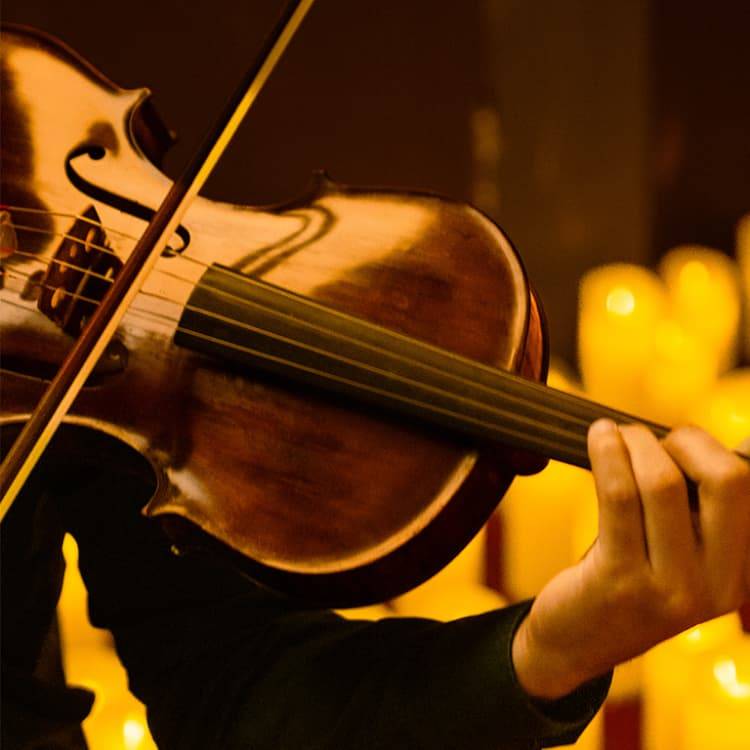
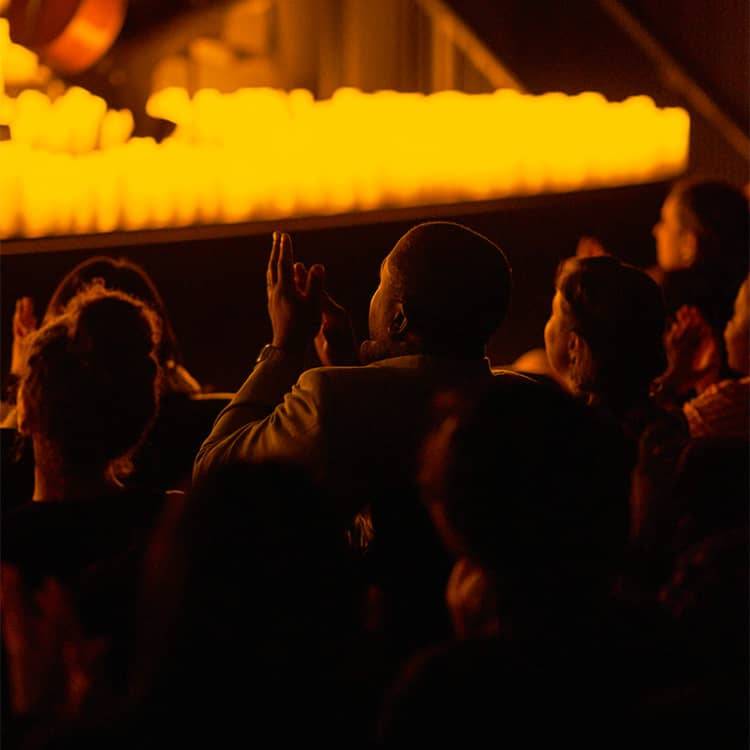
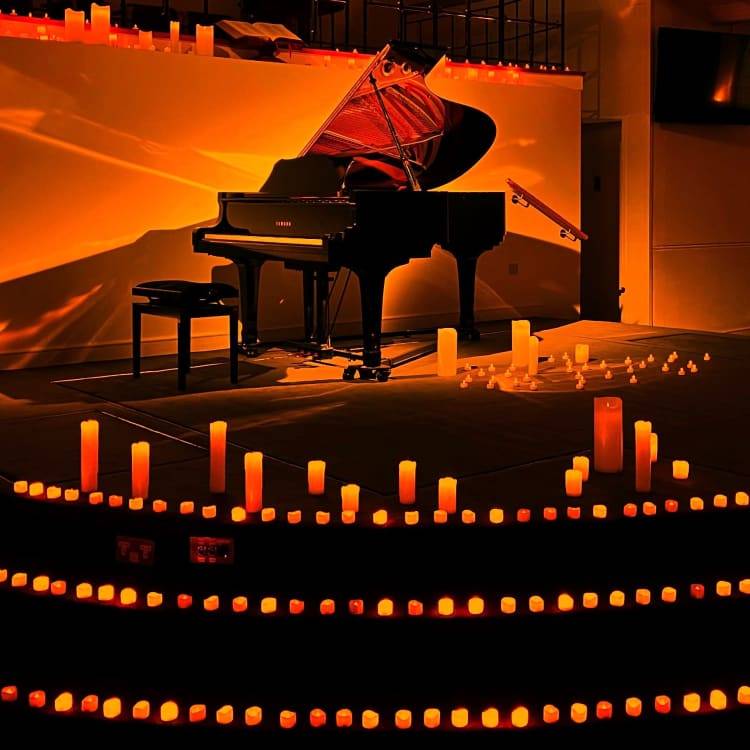
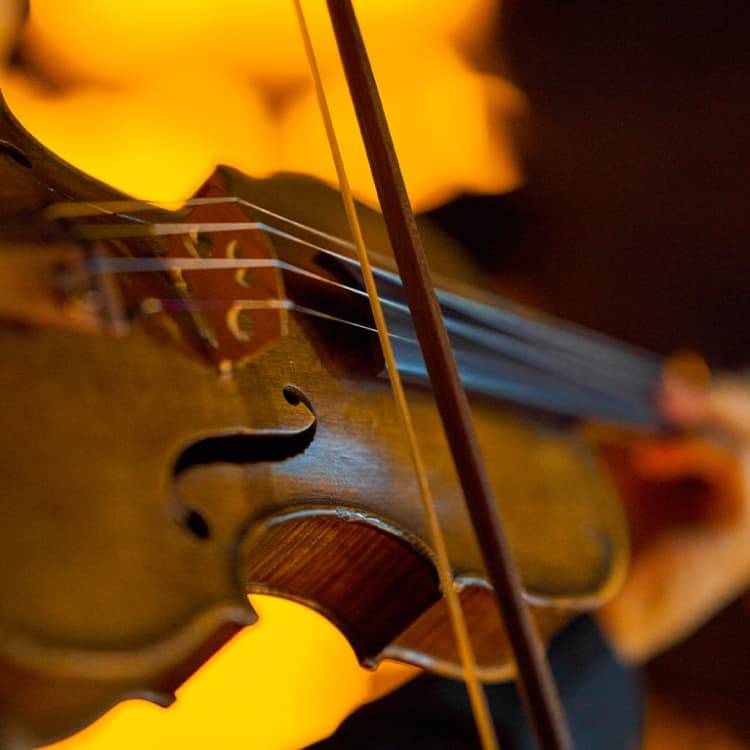
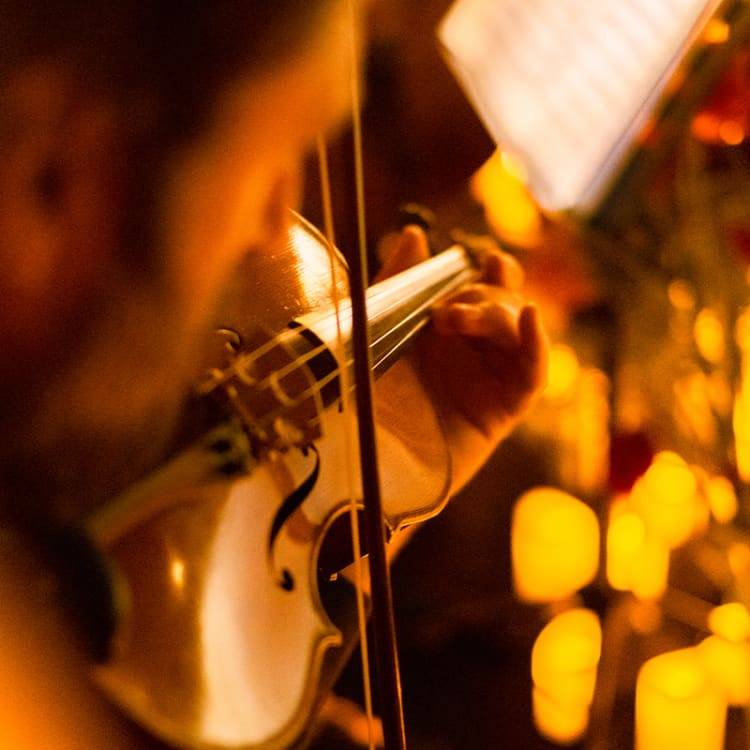
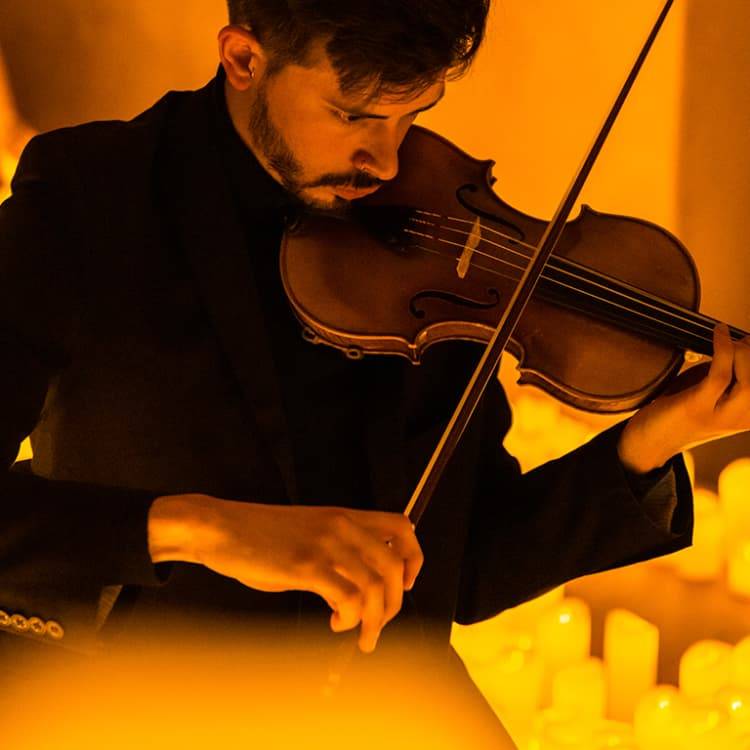
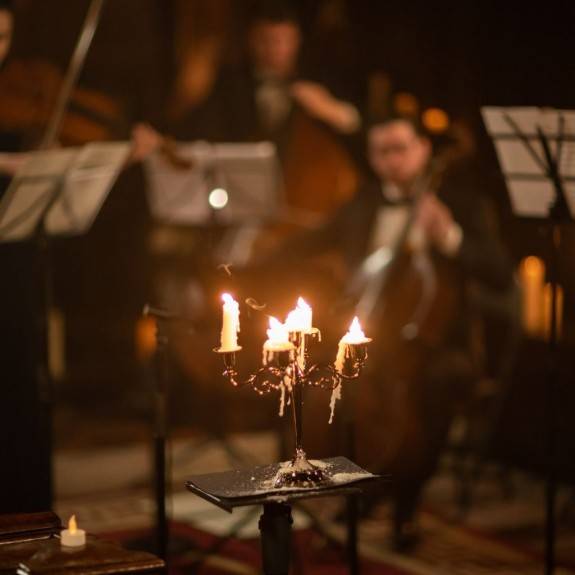
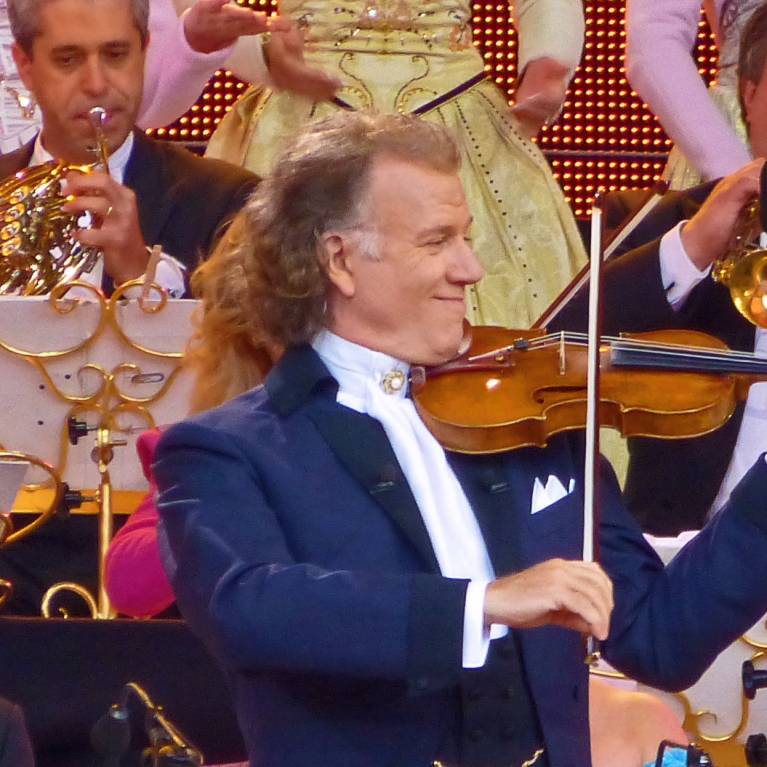
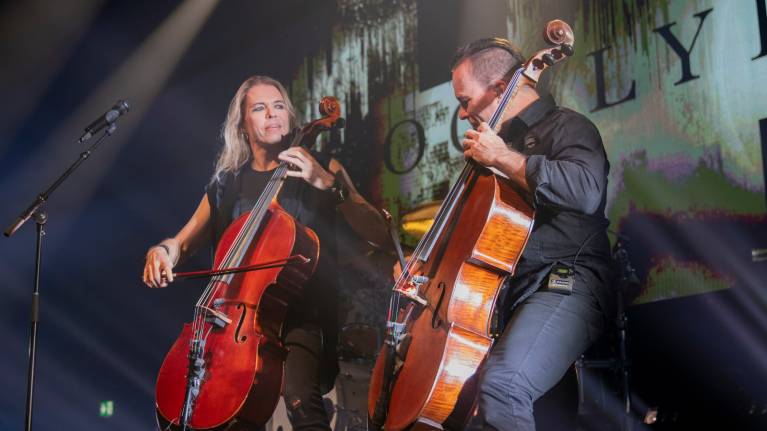
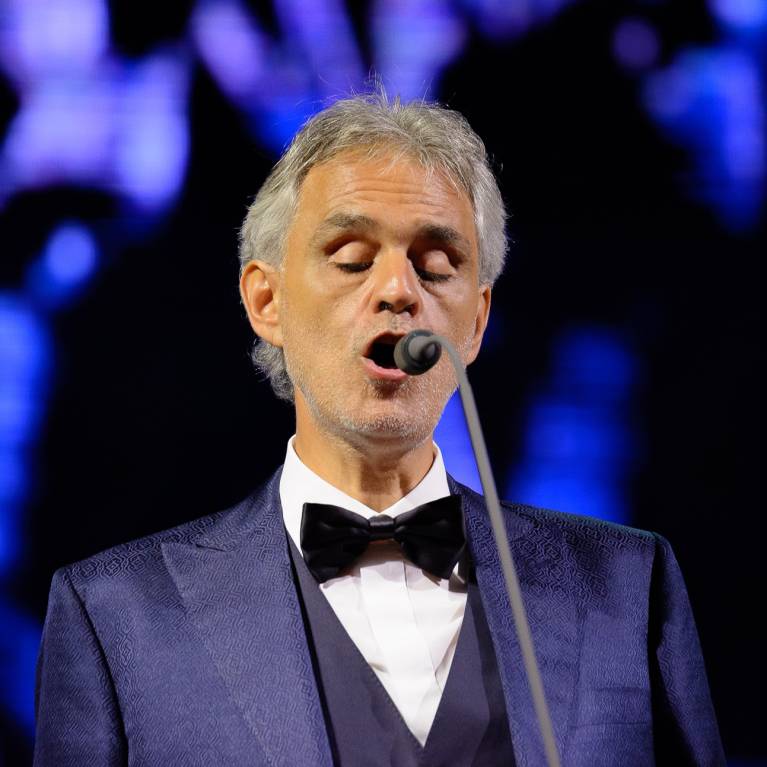
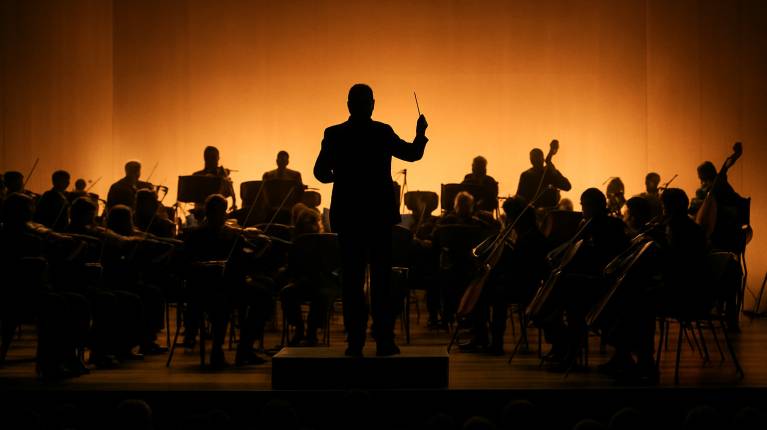
Today, classical music concerts offer a multifaceted experience, combining time-honored masterpieces with cutting-edge compositions. These performances are brought to life in mesmerizing venues, from grand concert halls to intimate chamber settings, each offering a unique auditory experience. The intriguing blend of old and new, traditional and avant-garde ensures that classical music remains a powerful and relevant art form. Attending a live classical concert becomes a sensory indulgence, as the harmony of the orchestra, the acumen of the soloist, and the intricacies of composition converge to create a sublime experience unlike any other in the musical world.