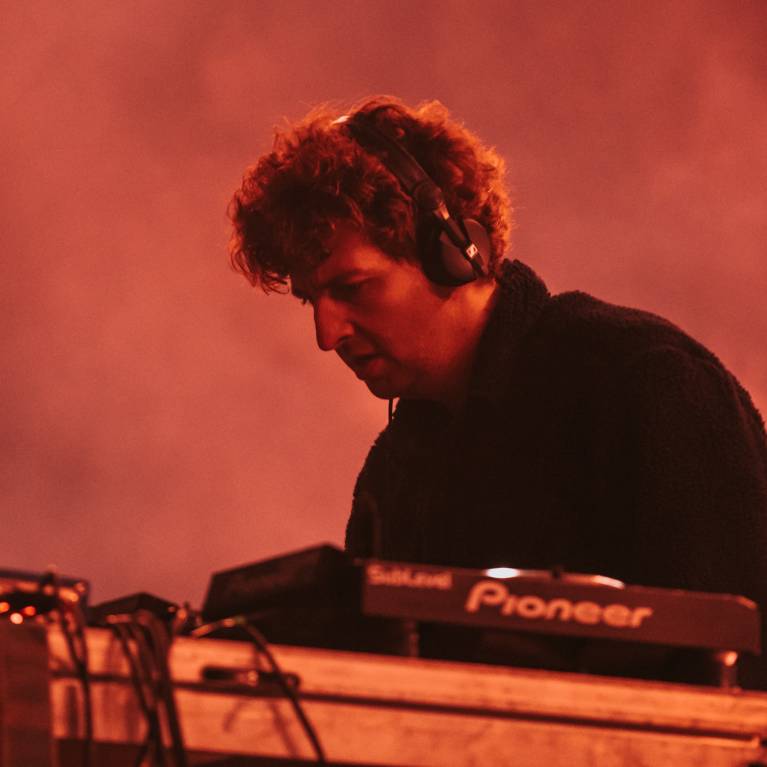
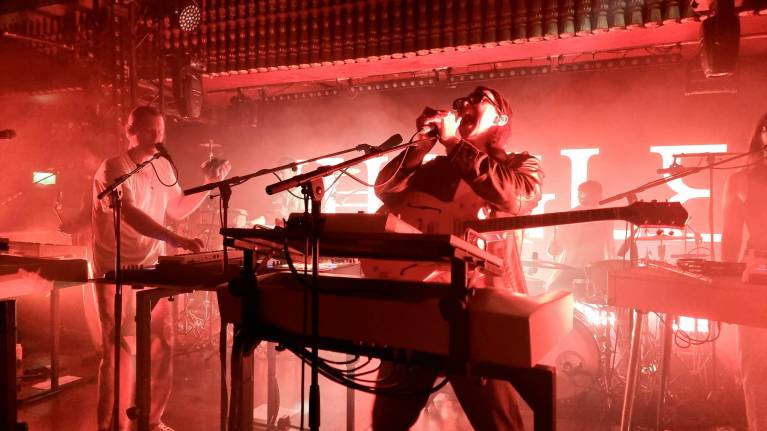
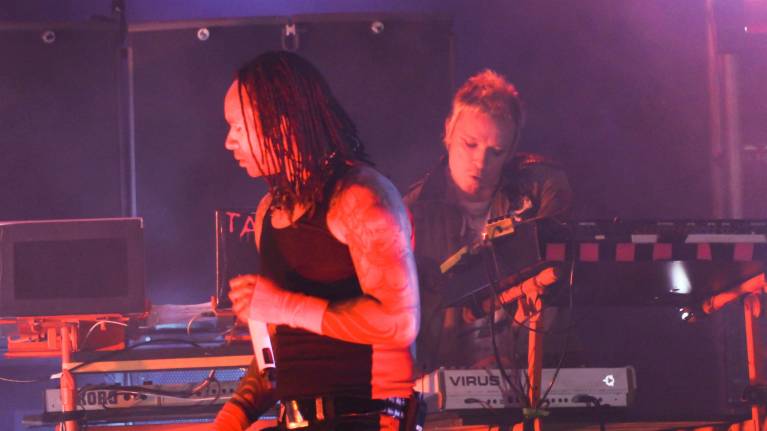
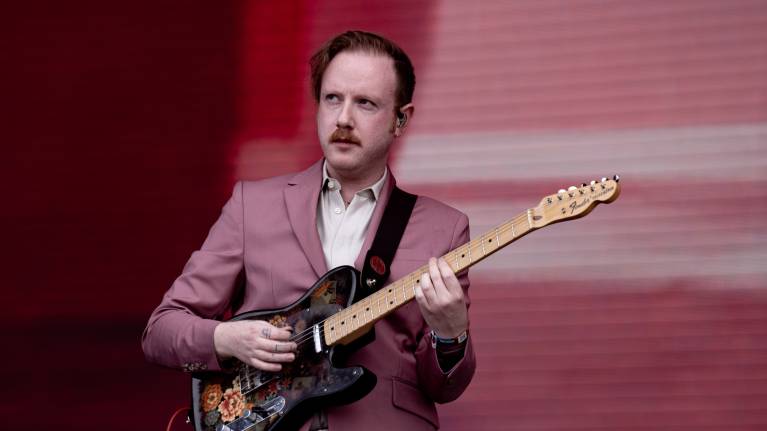
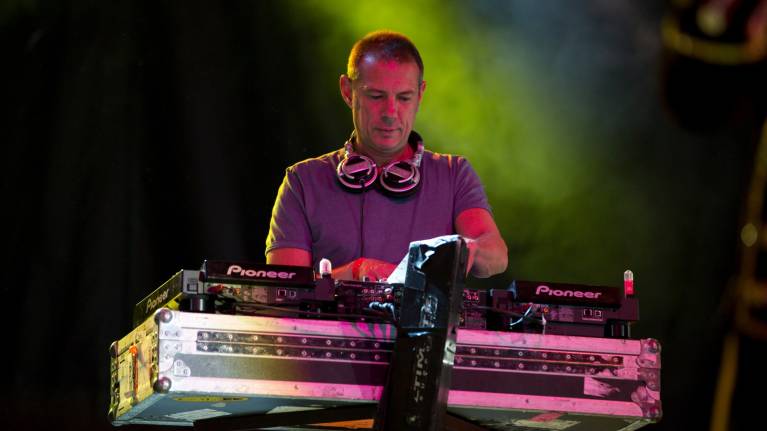
Dance and electronic music is at the forefront of musical innovation and cultural evolution with its boundless creativity and energy. At the heart of this genre is an unparalleled ability to bring people together, dissolve boundaries, and create expansive, immersive experiences. What makes dance and electronic unique is the fusion of technology with artistry, where DJs and producers become architects of soundscapes, weaving beats and rhythms into captivating narratives.
History of Dance and Electronic Music
The history of electronic music is a journey through time and technology. It began in the early 20th century with pioneering experiments in electronic sound, but truly emerged during the late 1960s and 1970s when artists like Kraftwerk began blending synthesized sounds with traditional music structures. The 1980s witnessed the explosion of house and techno in Chicago and Detroit, respectively, as these underground movements spread across the globe, fueling a vibrant culture of raves and dance parties.
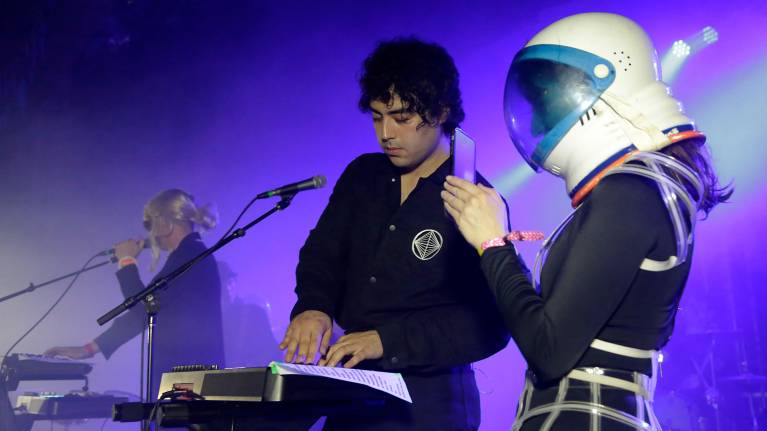
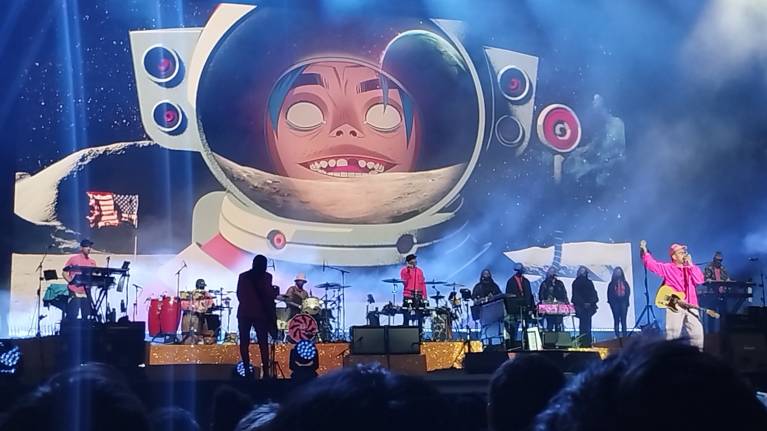
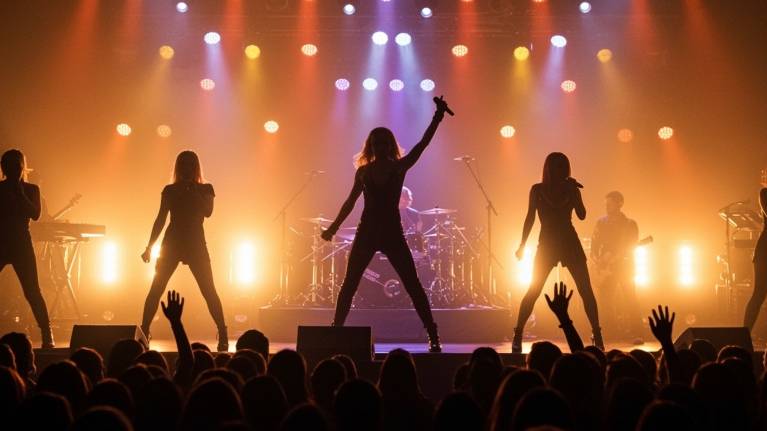
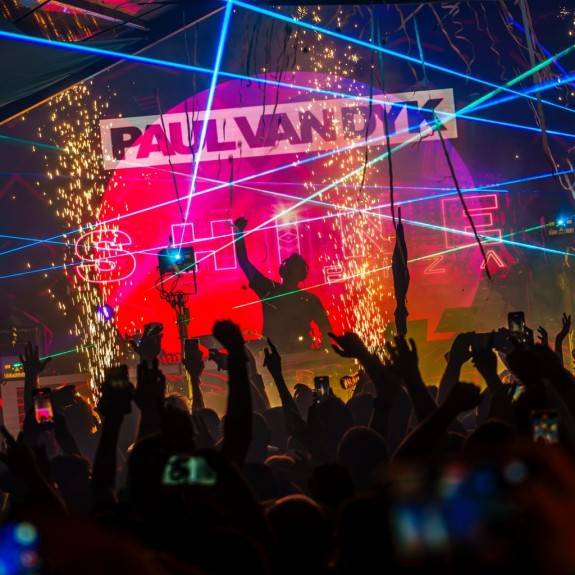
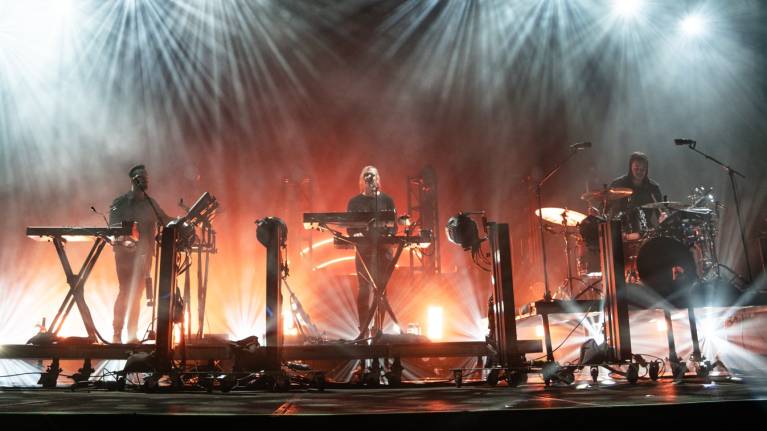
Fast forward to today, and dance and electronic concerts offer unparalleled sensory experiences, combining cutting-edge audio technology with stunning visual effects and dynamic live performances. The events create a communal atmosphere where attendees transcend everyday reality, united by the pulsating rhythm. In a world where music is often consumed passively, dance and electronic music concerts invite participants to lose themselves in the beat, making every moment memorable and extraordinary.