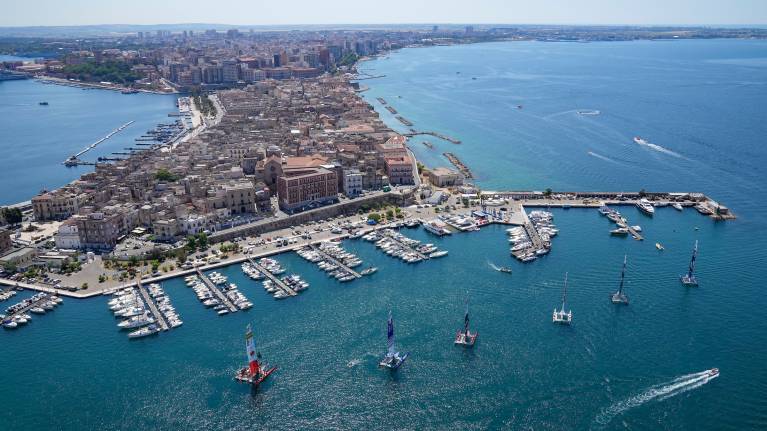
“On a day when the wind is perfect, the sail just needs to open and the world is full of beauty.” – Rumi, 13th-century poet
Sailing is a truly ancient practice, with records showing that people have harnessed the power of the wind for their boats for several thousand years. Modern sailing uses the same principle, with the addition of huge technological advances in boat design that allow sailors to reach extraordinary speeds and distances.
📜 History of Sailing
An Egyptian vase that dates to roughly 3500 BC shows a ship travelling under sail, demonstrating that humans have been sailing for many thousands of years. Evidence has also shown that historic Polynesian cultures used sail boats to explore remote islands.
Around 1000 AD, Vikings began to develop long boats with large mainsails for travelling long distances. At a similar time in China, boat builders created huge junk ships that used rudders, plus bamboo reinforcements for the sails. By the 1400s, these boats were crossing the Indian Ocean regularly. In the 16th century, sails got even bigger with the Spanish galleons, and several crew members were required to put the sails up or take them down.
By the 1800s, recreational sailing was a popular pursuit around Europe and North America, but each yacht club devised its own set of rules for the sport, which caused chaos during races between clubs. In 1907, representatives from different countries met in Paris to form the International Yacht Racing Union (IYRU). In 1929, the North American Yacht Racing Union agreed to adopt almost identical rules, and in 1960 the rules became universal.
Sailing events were first held at the Olympic Games in 1900, with women competing alongside men. In 1988, the first women’s only events were added to the Games.
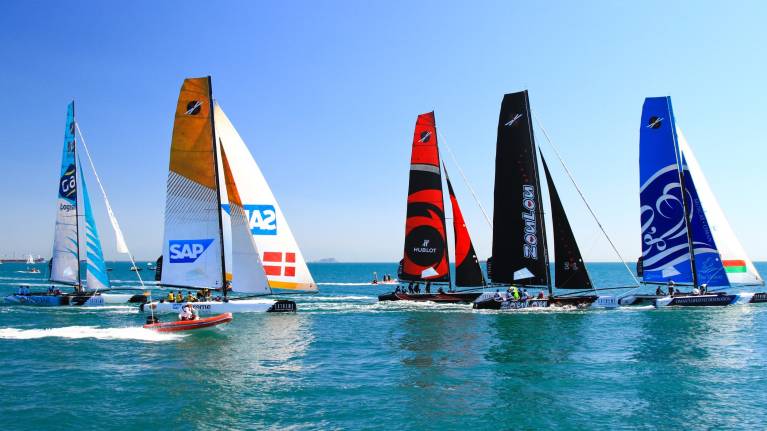
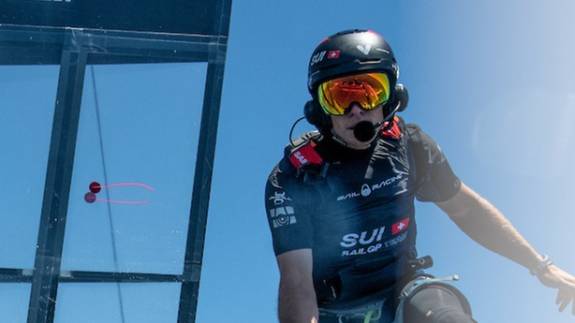
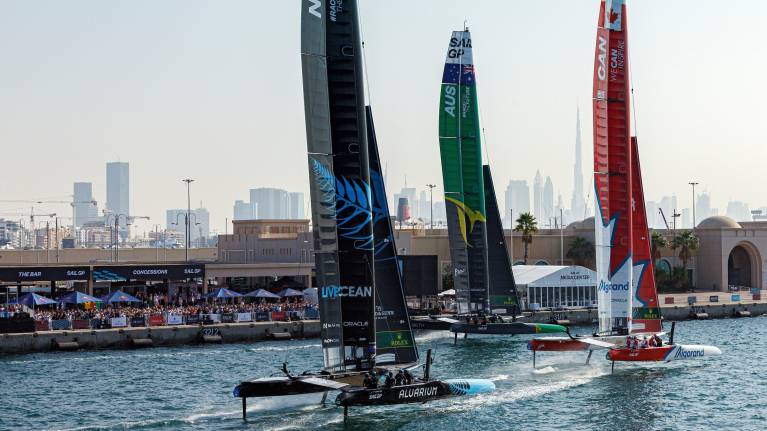
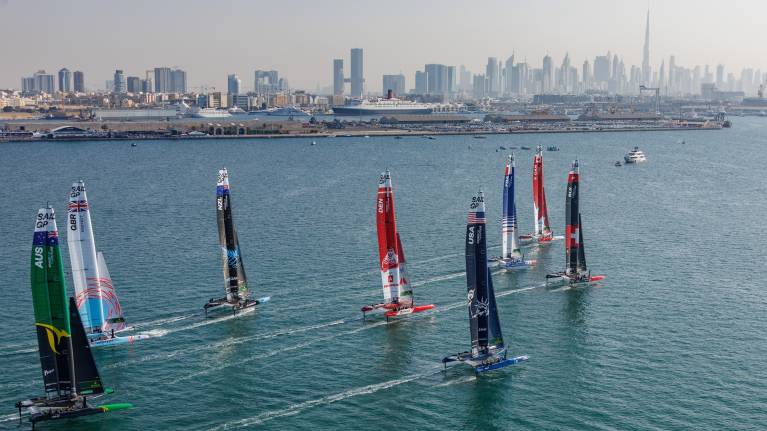
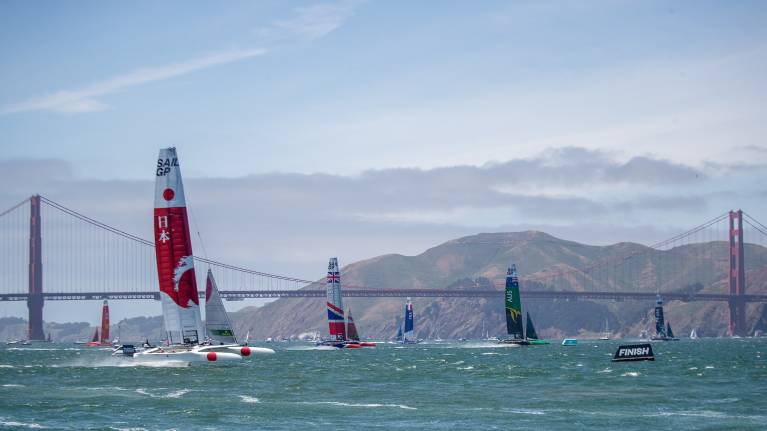
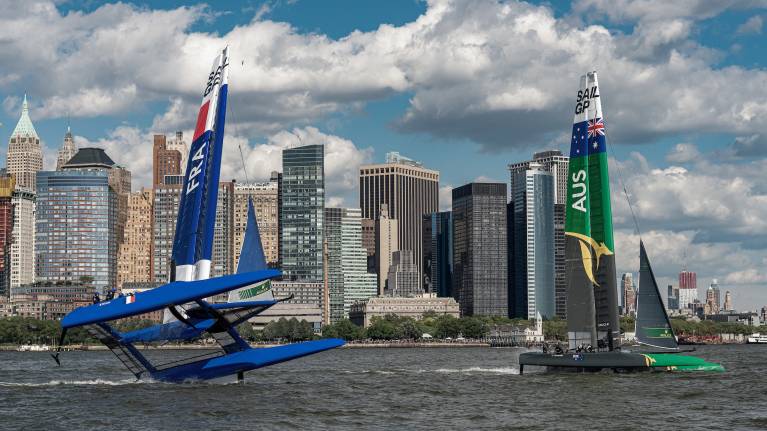
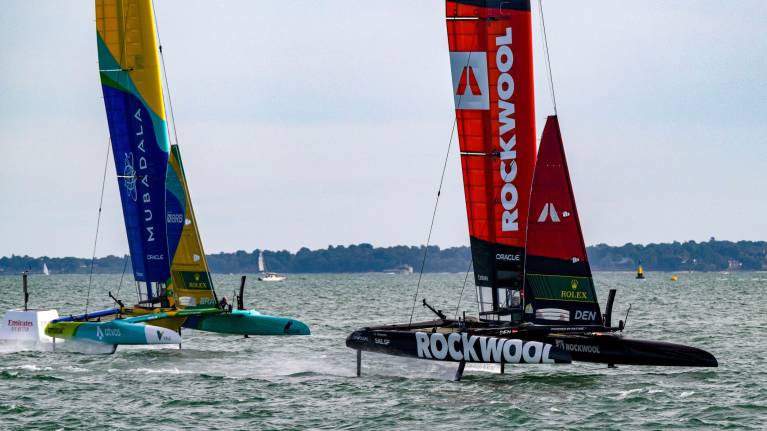
Today, there is a large number of regattas organised by World Sailing, the sport’s governing body. Sailing at the Summer Olympics and the America’s Cup remain key events for the sport. Other high-profile competitions include SailGP, the World Championships, the World Cup Series, the Fastnet Race, and the Volvo Ocean Race.
💯 Sailing Rules & Scoring
The principle of sailing races is usually simple – the first boat to cross the finish line is the winner. As sailing boats vary widely in size and design, however, events are typically split into multiple classes, so similar boats compete against one another.
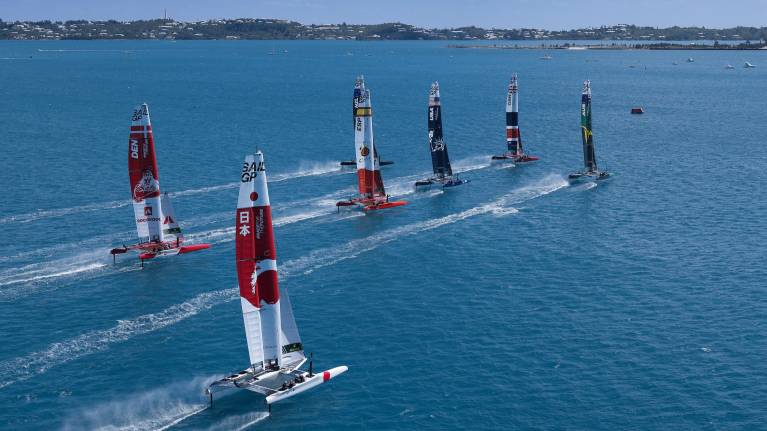
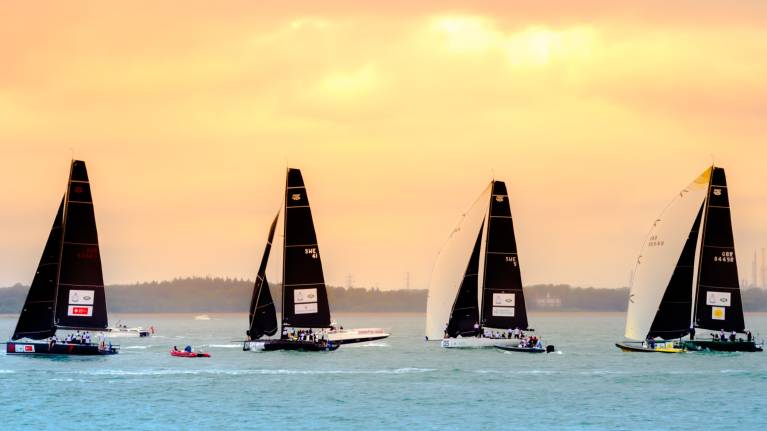
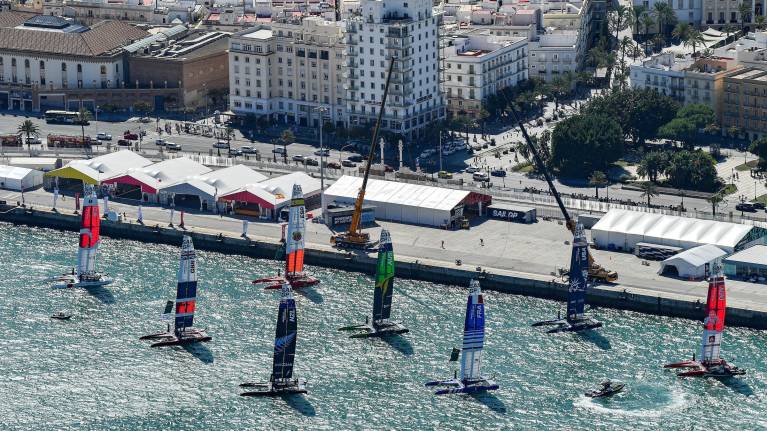
Racecourses are marked out in the water, and crews compete in fleet races (multiple boats racing simultaneously) or match races (2 boats racing against one another). Umpires are positioned on the water to monitor the conduct of sailors, as the sport is governed by strict rules, particularly around right-of-way. If 2 boats overlap or are side-by-side on the same tack, for example, the most leeward (downwind) boat has the right of way.
Sailors are usually required to follow strict weight limits on their clothing and equipment.