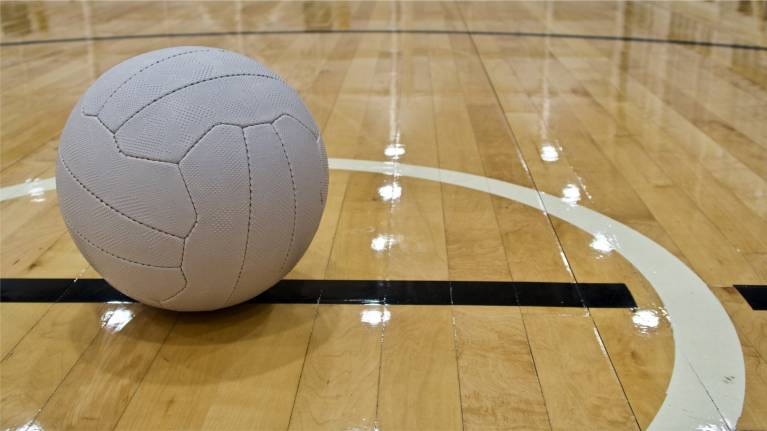
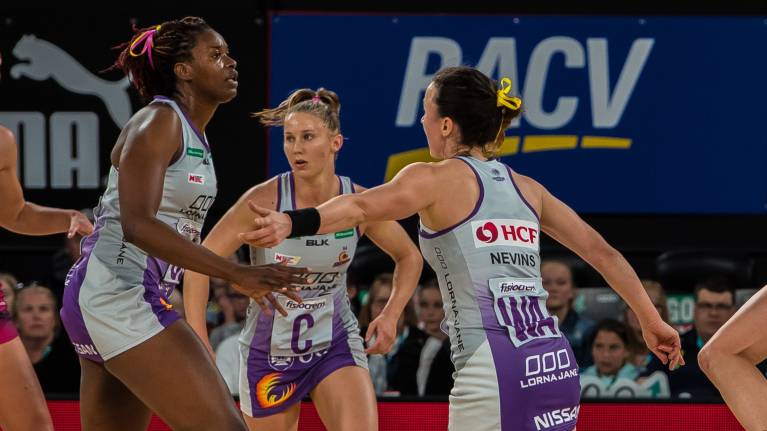
Netball is a team sport enjoyed all over the world, with numerous dedicated domestic and international competitions. Although originally derived from an early form of basketball, netball has evolved into its own fast-paced, skilful, and highly entertaining sport.
📜 History of Netball
The origins of netball are intricately linked with basketball, which was invented by a Canadian named James Naismith in Massachusetts in 1891 and was played by both men and women. In 1895, a sports teacher from New Orleans wrote to Naismith to request a copy of the rules. The teacher, Clara Baer, misunderstood the drawings she received in response. Naismith had marked out areas of the court for different players to cover, but Baer took his lines as zone markings that other players could not cross, and the zonal game of netball was born.
The popularity of netball grew across England and the Commonwealth in the early 20th century, but there were few standardised rules, and details like the number of players on each team varied from place to place.
In 1960, representatives from Australia, New Zealand, South Africa, England, and the West Indies met in Sri Lanka. This meeting led to the creation of the International Federation of Women’s Basketball and Netball, which established formal rules for the sport and a World Championship tournament to be held every 4 years.
Netball today has more than 20 million professional and amateur players in over 80 countries worldwide, and the INF has more than 70 national teams organised into 5 global regions.
💯 Netball Rules & Scoring
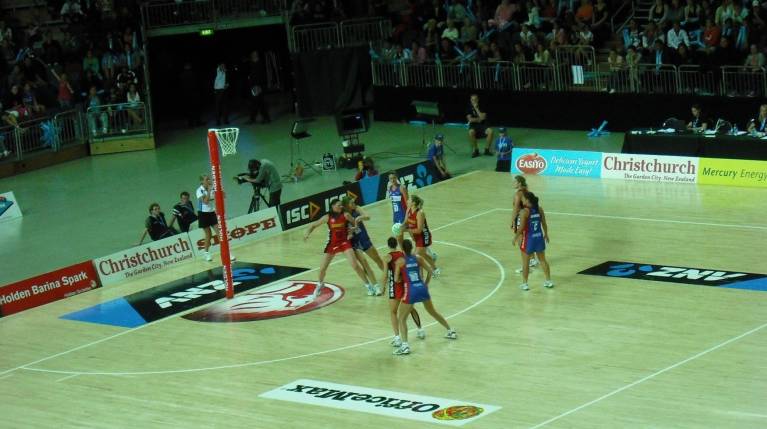
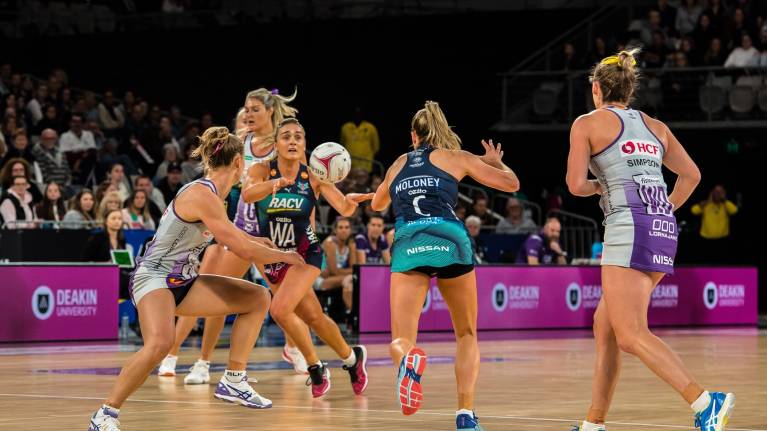
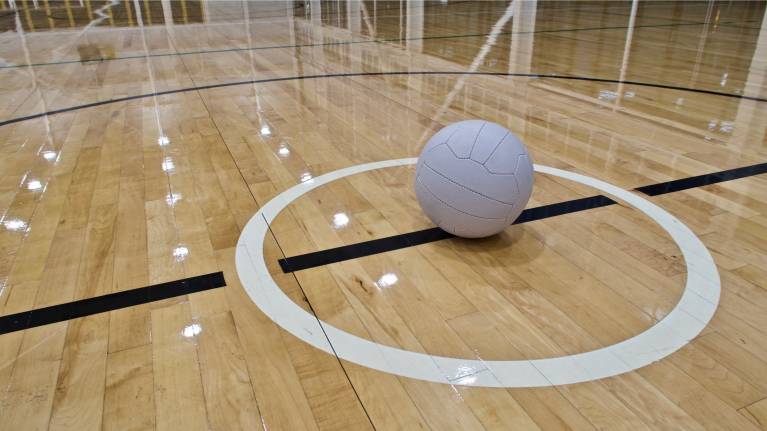
In a standard netball match, 2 teams of 7 players compete to score the most points. Each player has a defined position, and the initials representing that position must be clearly identifiable on their uniform. The court is split into 5 zones, and each position can only play in certain zones:
- Goal Shooter (GS) – zones 1 & 2 (opposing team’s goal third & goal circle)
- Goal Attack (GA) – zones 1, 2 & 3 (opposing team’s goal third & goal circle, plus centre third)
- Wing Attack (WA) – zones 2 & 3 (opposing team’s goal third & centre third)
- Centre (C) – zones 2, 3 & 4 (both goal thirds & centre third)
- Wing Defence (WD) – zones 3 & 4 (centre third & own goal third)
- Goal Defence (GD) – zones 3, 4 & 5 (centre third, own goal third & goal circle)
- Goal Keeper (GK) – zones 4 & 5 (own goal third & goal circle)
Each match comprises 4 quarters of 15 minutes each, with short breaks before the second and fourth quarters and a longer interval at half time. The teams switch ends of the court between each quarter.
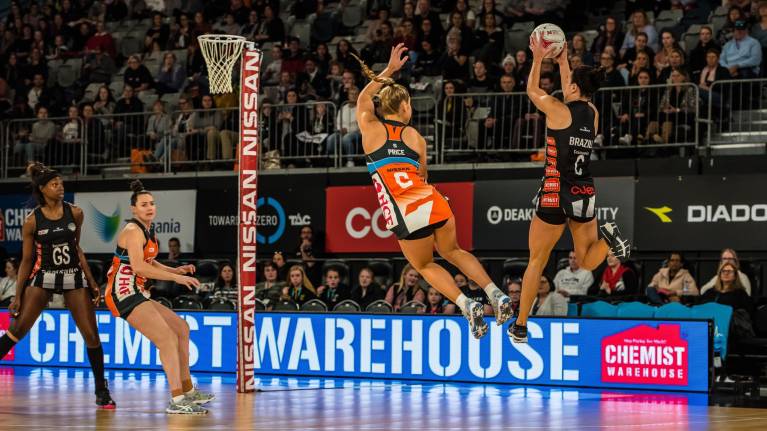
The aim of the game is to throw the ball into the opposing team’s ring. During open play, goals can only be scored from within the goal circle, and only by the Goal Shooter or Goal Attack positions. Each goal is worth 1 point, and the team with the most points at the end of play is the winner of the match. Goals can also be scored from free throws, which are given in response to a technical foul committed by the opposing team.
Unlike basketball, netball requires players to stay mostly still while in possession of the ball, as dribbling is not permitted. Players must advance the ball towards the opposing team’s goal by passing it up the court.