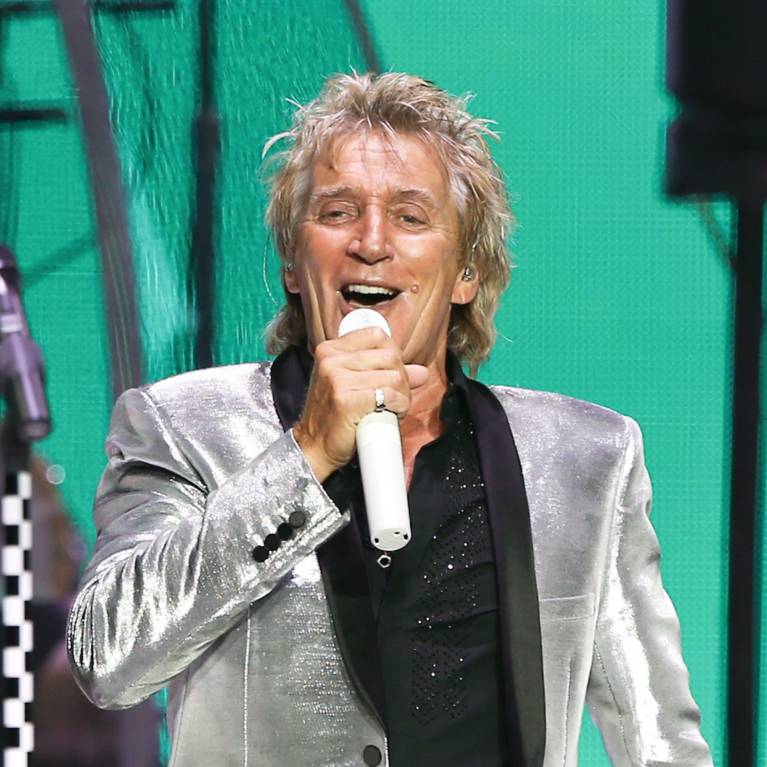
"Blues is a tonic for whatever ails you." – B.B. King
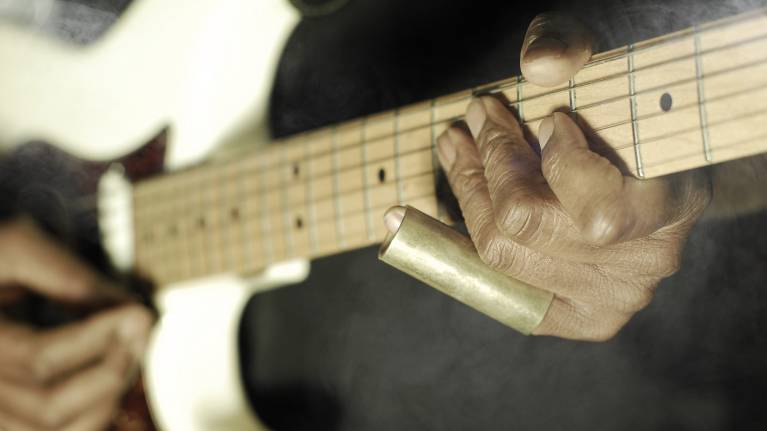
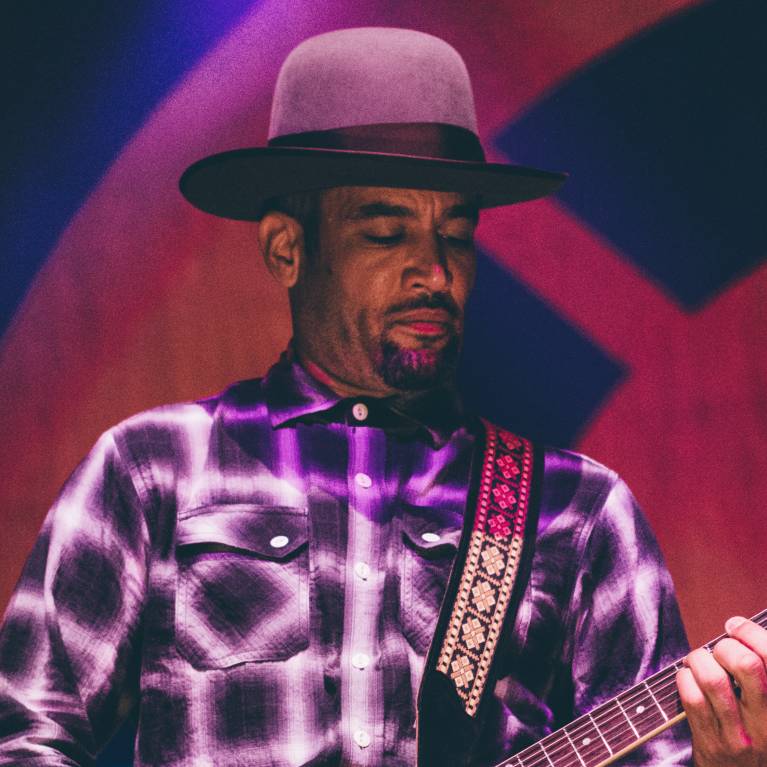
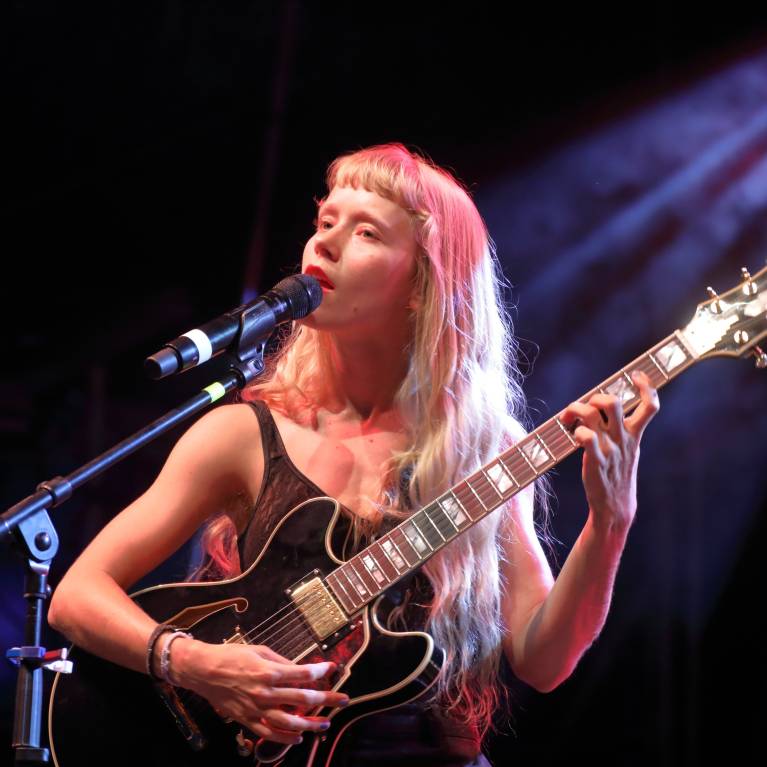
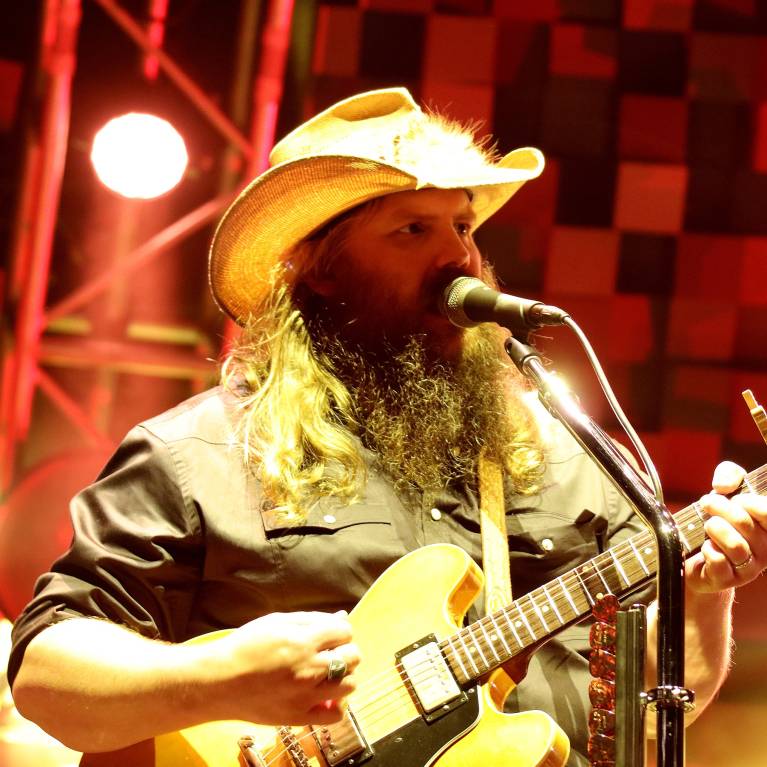
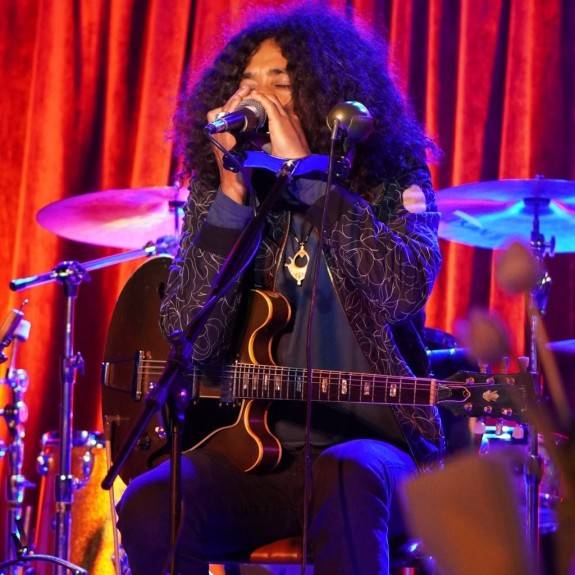
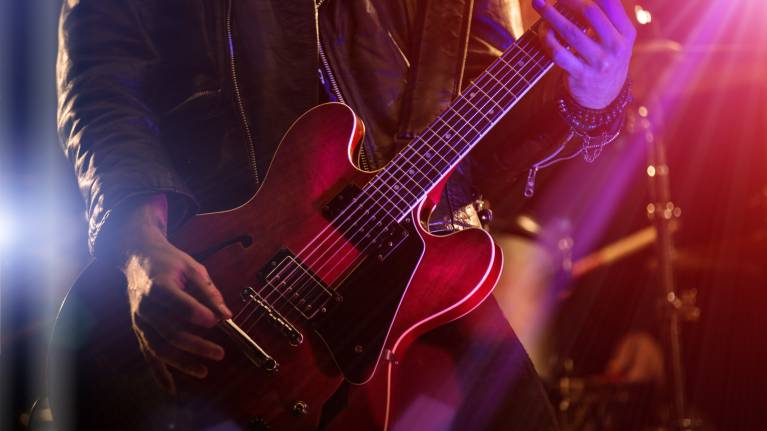
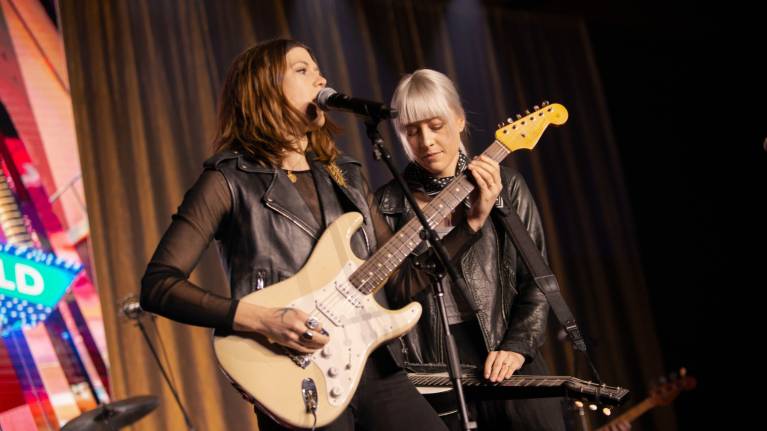
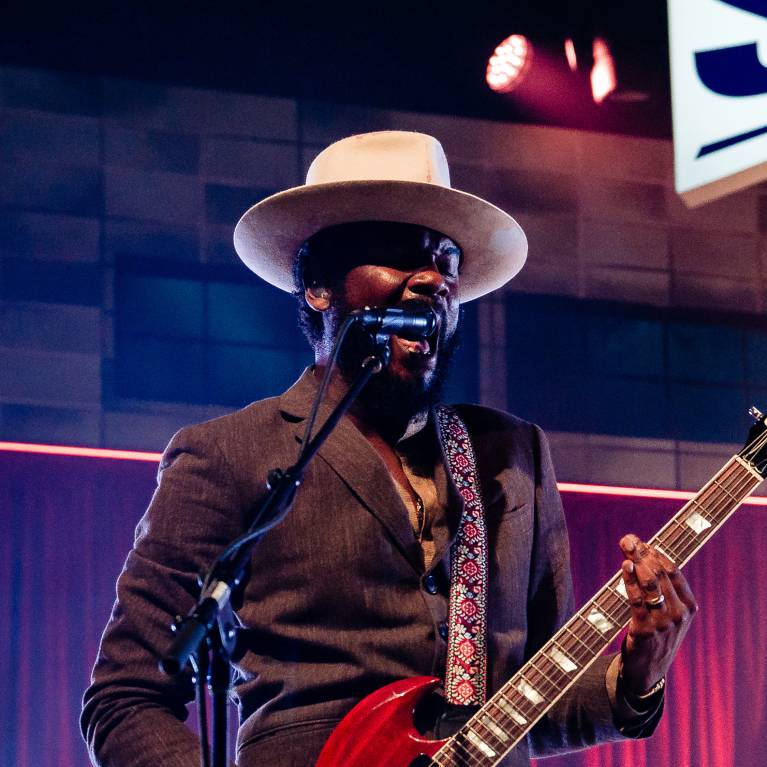
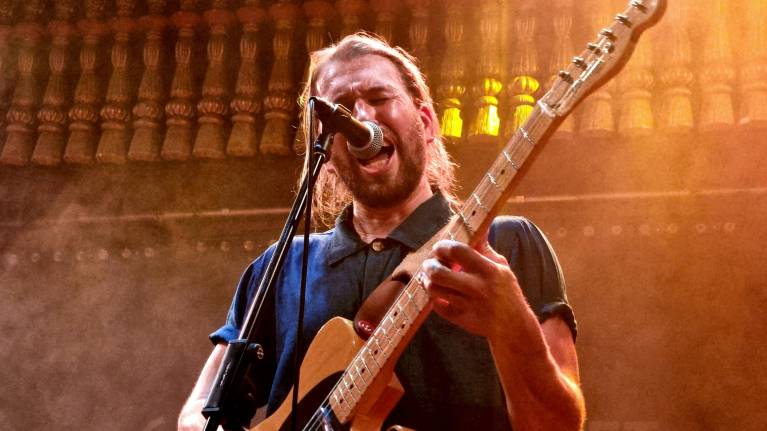
Blues is the sound of emotion turned into music - raw, soulful and instantly human. Built on just a few chords and the famous “blue notes,” it can shift from heartbreak to joy in a single guitar bend or harmonica wail. What makes blues different is its honesty: simple on the surface, but full of feeling, improvisation and groove. At a blues gig, you don’t just listen; you feel every note.
History of Blues Music
The story of blues begins in the late 19th and early 20th centuries in the American South, shaped by African American spirituals, work songs and field hollers. Early pioneers like Robert Johnson and Bessie Smith helped define the sound, with haunting vocals and fingerpicked guitar. In the 1940s and ’50s, the music moved to cities like Chicago and Memphis, going electric with artists such as Muddy Waters, Howlin’ Wolf and B.B. King - turning small bars into roaring, late‑night sanctuaries.
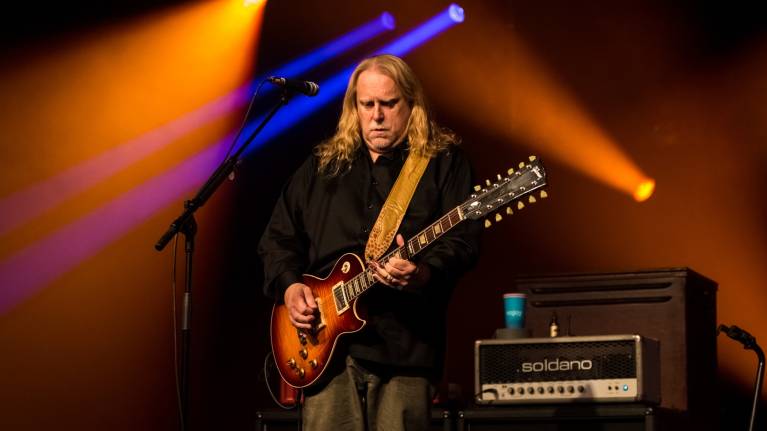
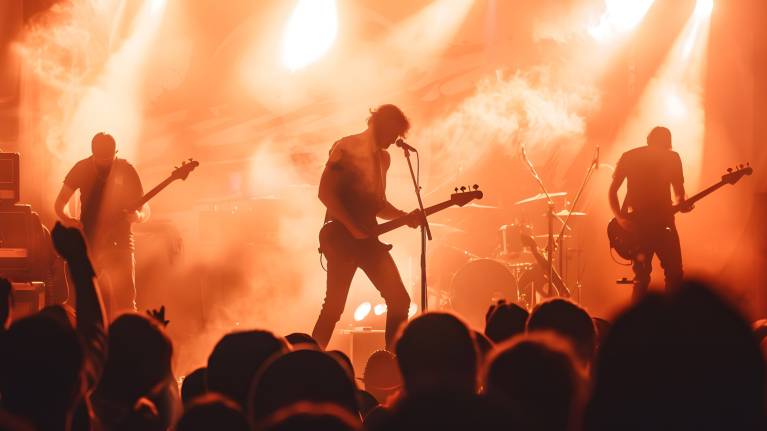
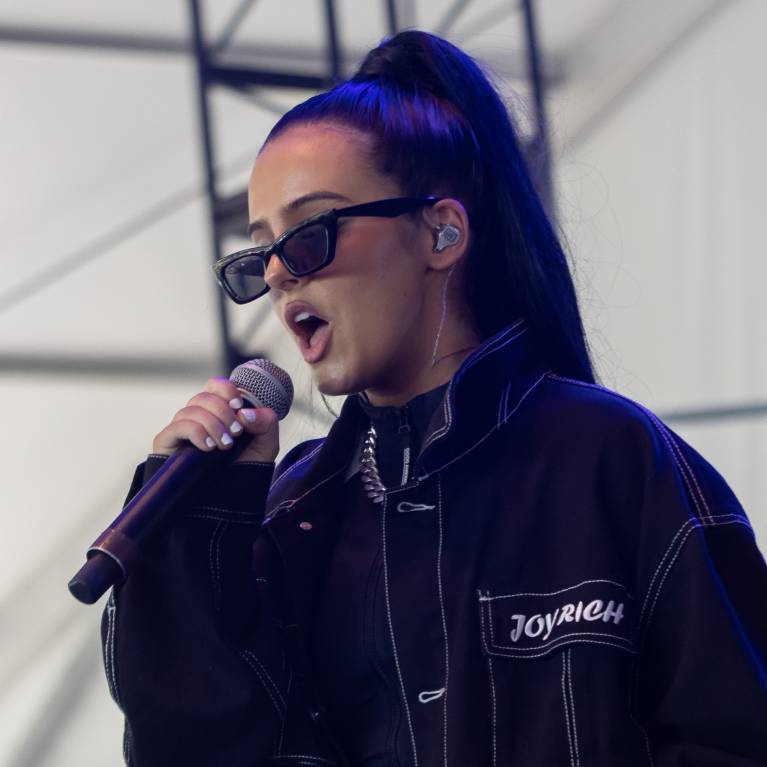
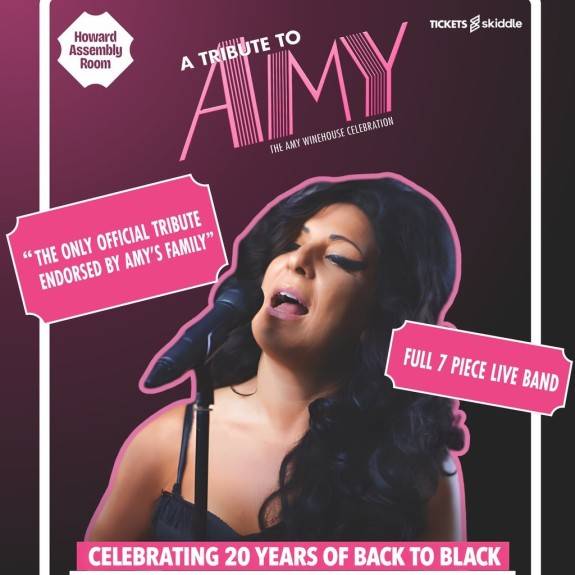
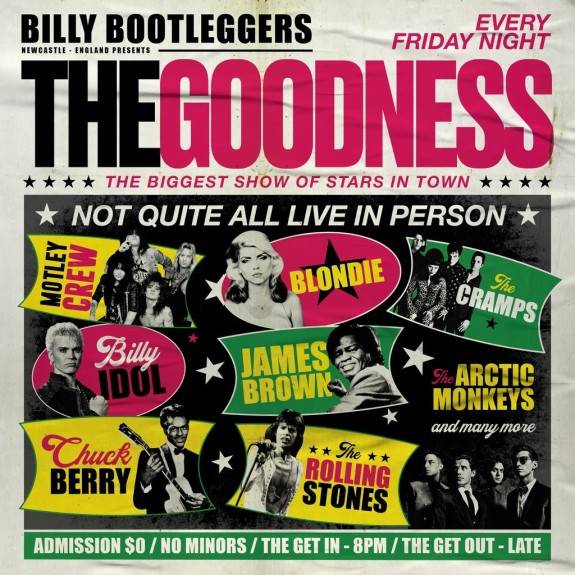
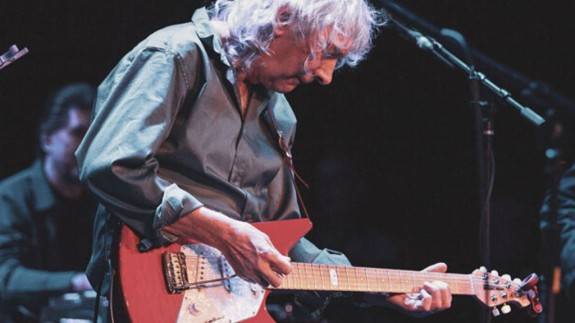
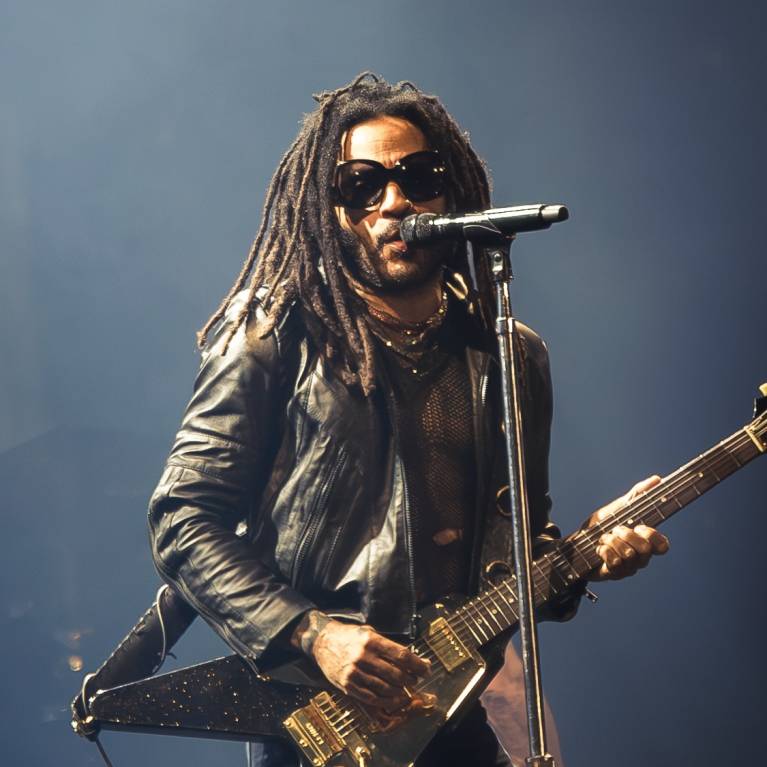
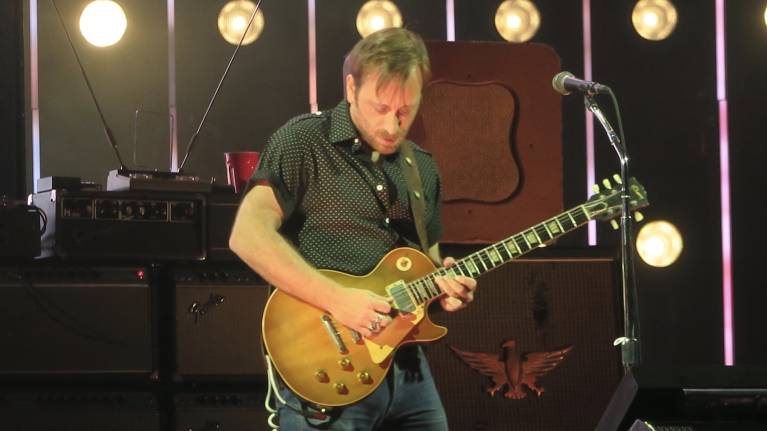
Blues went on to inspire rock ’n’ roll, soul and funk, echoing through artists from The Rolling Stones to Amy Winehouse. Today’s blues concerts blend tradition and modern flair: searing guitar solos, call‑and‑response with the crowd, and intimate stories between songs. Whether in a tiny club or a big festival tent, a blues show still feels personal - like someone singing straight from their life into yours.