"A folk song is what’s wrong and how to fix it." – Woody Guthrie
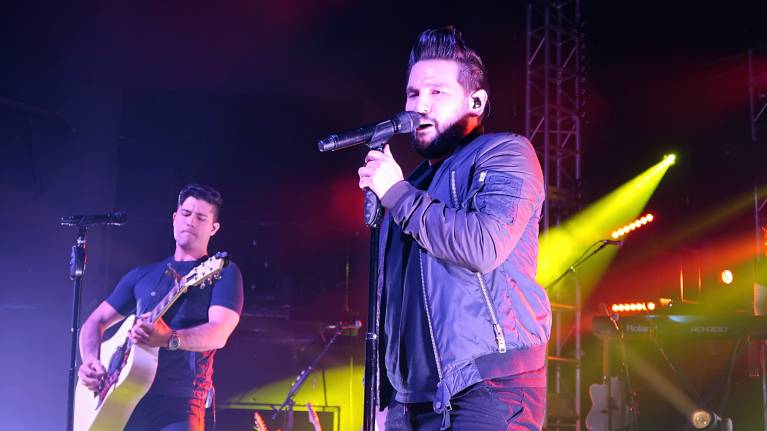
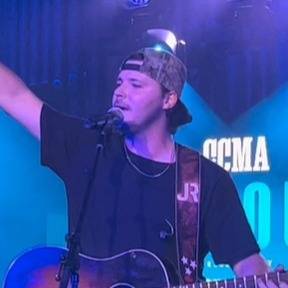
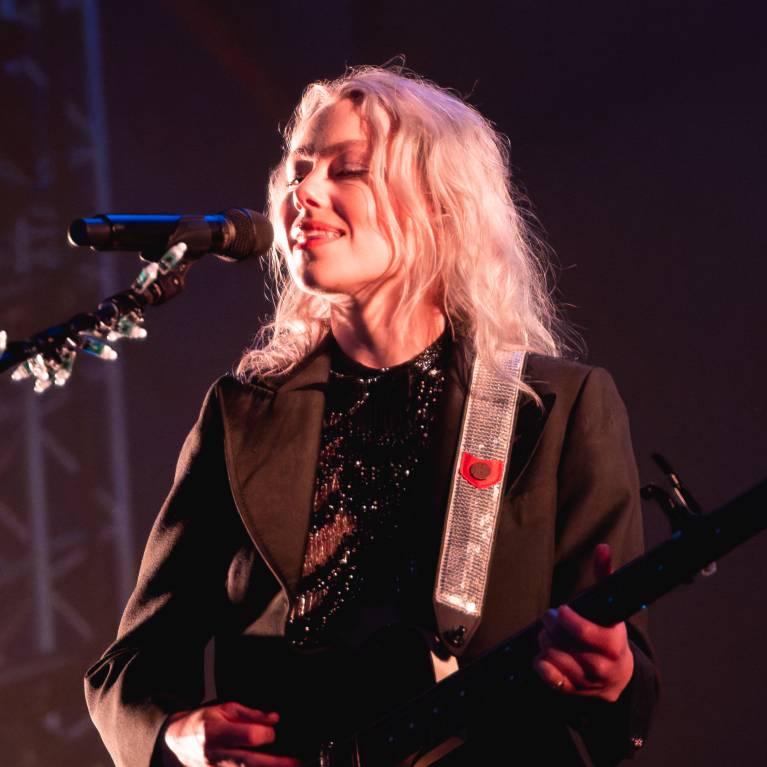
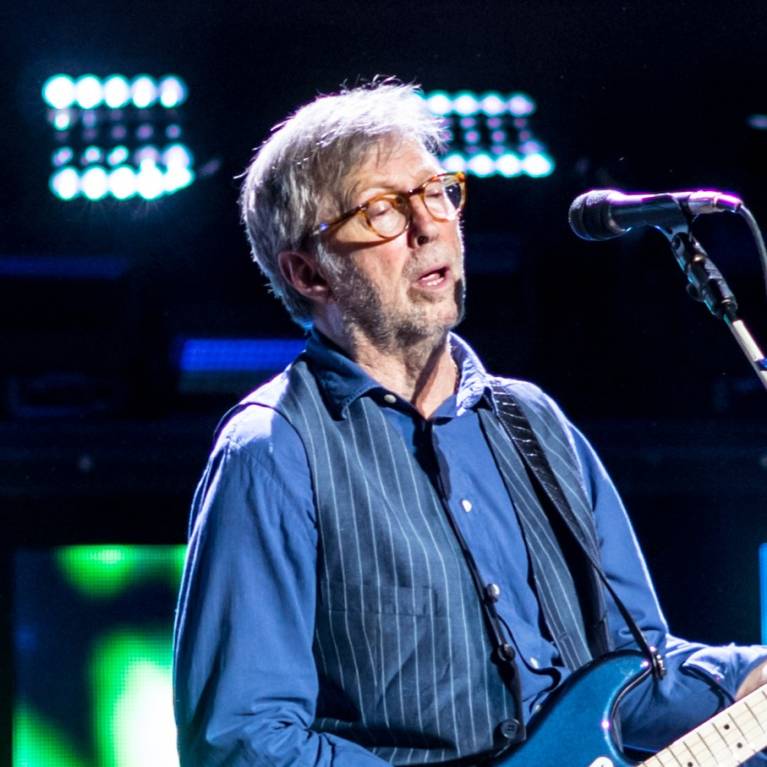
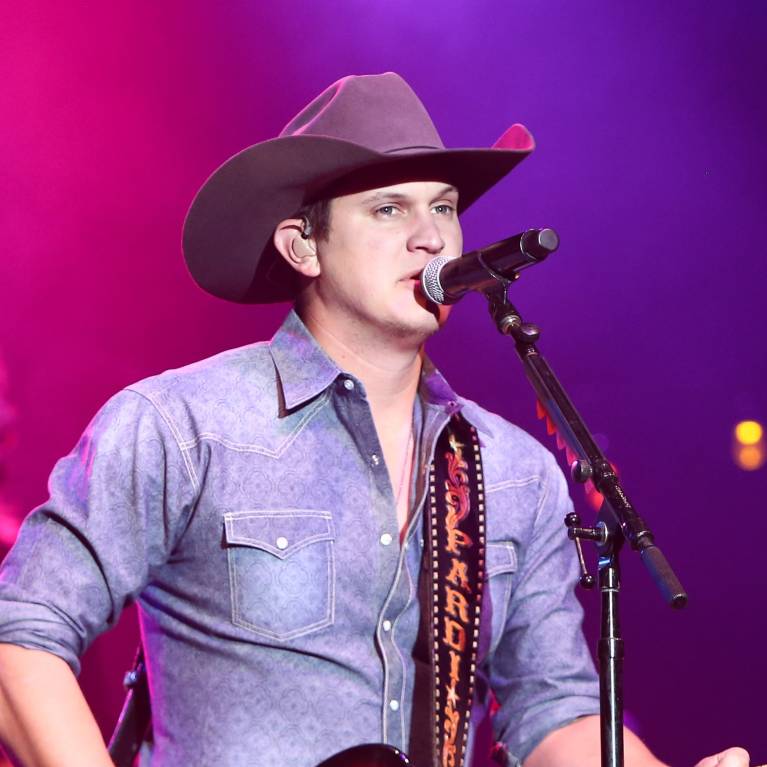
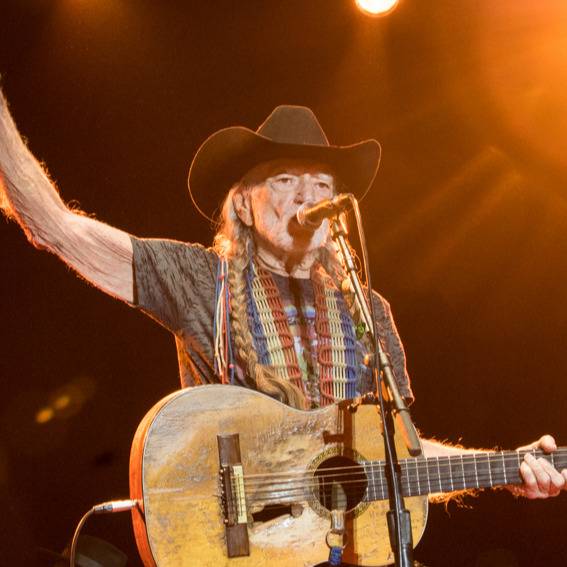
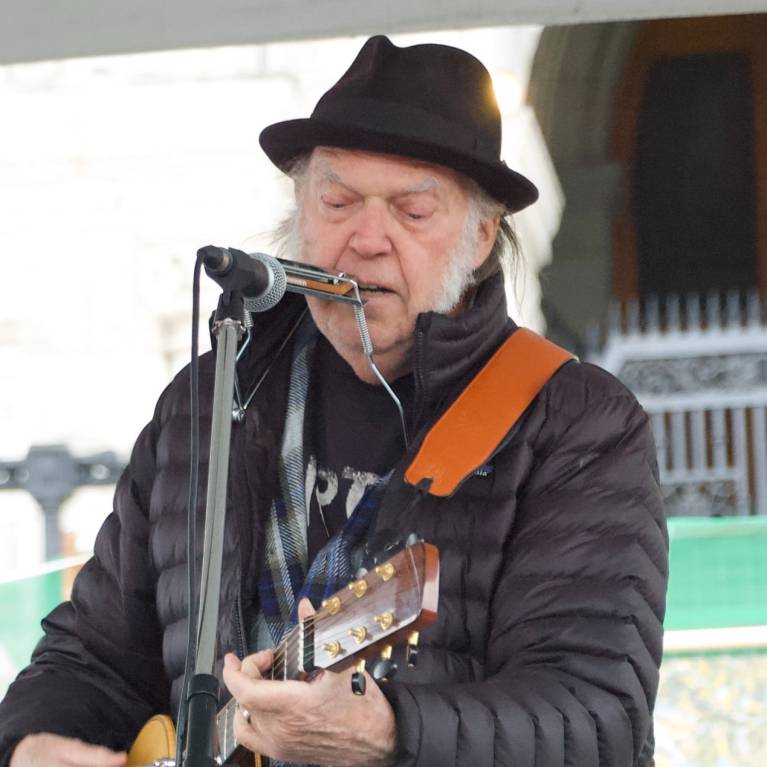
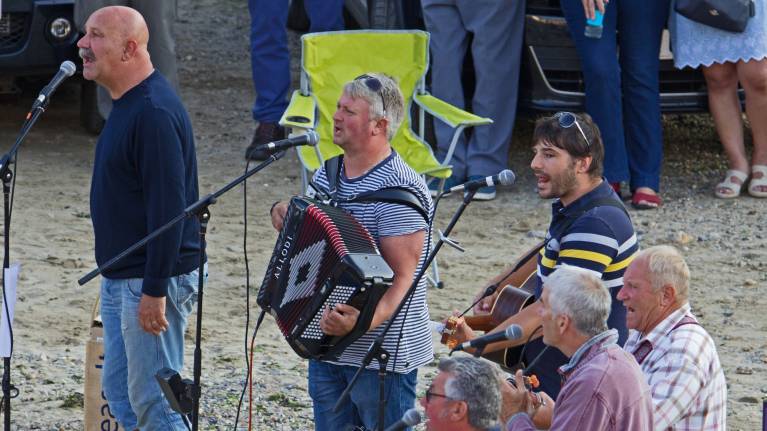
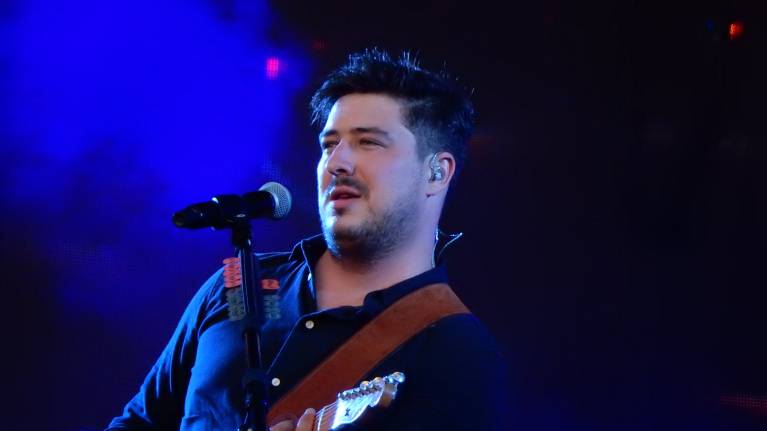
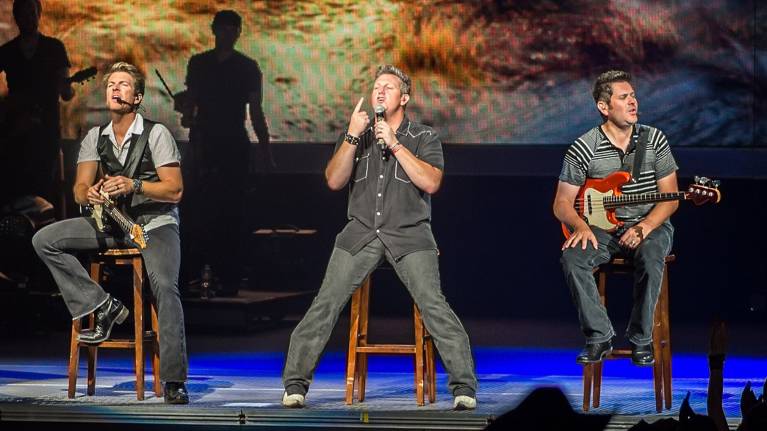
Folk and Americana concerts feel less like shows and more like shared stories set to music. Rooted in acoustic instruments, plainspoken lyrics, and strong melodies, this is music that prizes connection over spectacle. You’re close to the performers, you can hear every word, and the crowd often sings along - whether it’s a 20‑cap listening room or a summer festival field.
History of Folk & Americana Music
Folk music began as the sound of everyday life: work songs, ballads, protest tunes, and dance music passed down by ear. In the 19th and early 20th centuries, collectors like Cecil Sharp and the Lomaxes preserved rural traditions in Britain and the U.S., helping shape what we now call “folk.” The 1950s–60s folk revival (think Woody Guthrie, Joan Baez, Bob Dylan) brought social commentary and storytelling to coffeehouses and major stages alike.
Americana emerged later as a broad umbrella for roots-based American styles - folk, country, blues, bluegrass, and gospel - celebrating songwriting craft and organic, often acoustic sounds. Modern artists blend these influences with indie, rock, and even electronic textures, but the focus stays on narrative, melody, and authenticity.
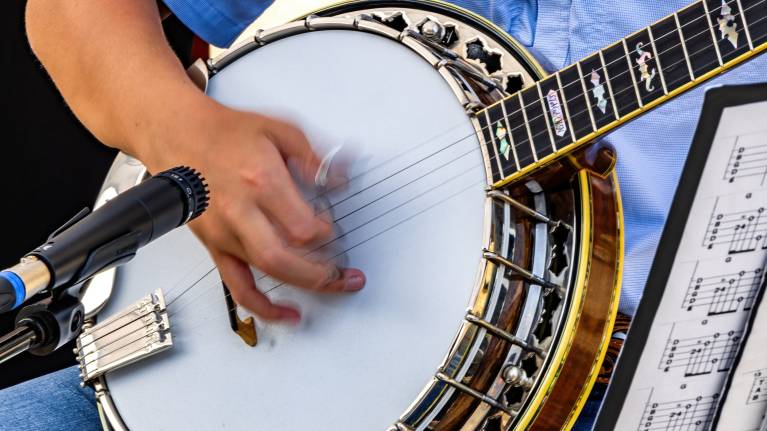
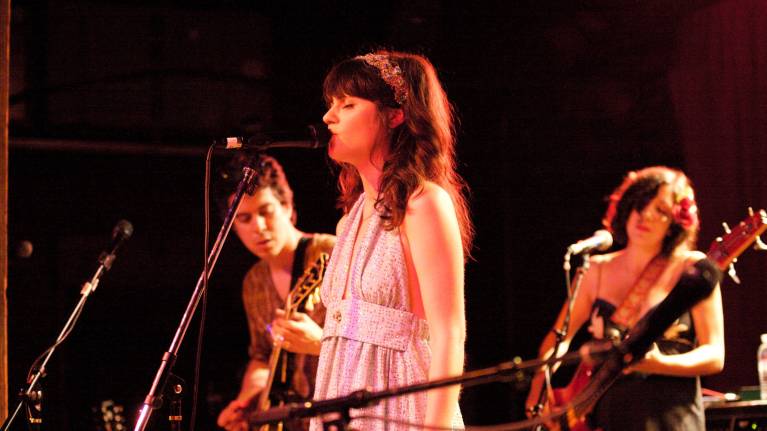
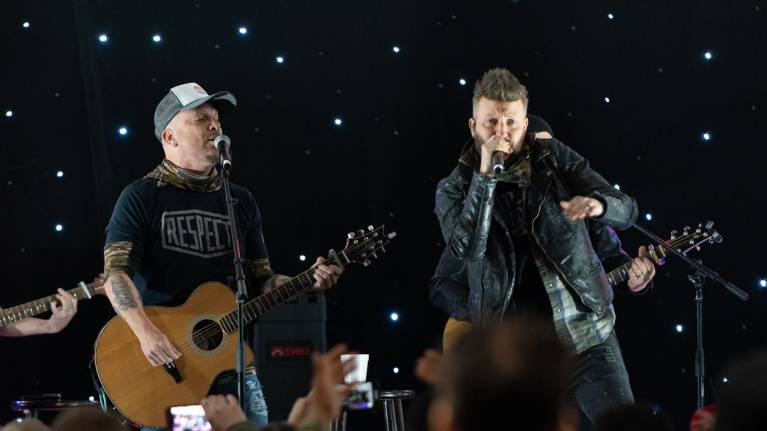
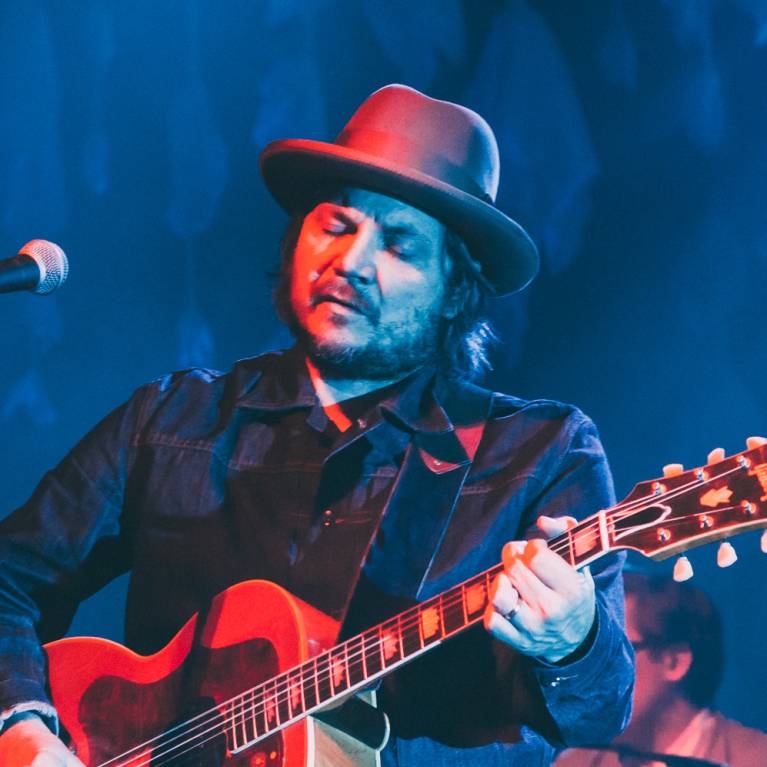
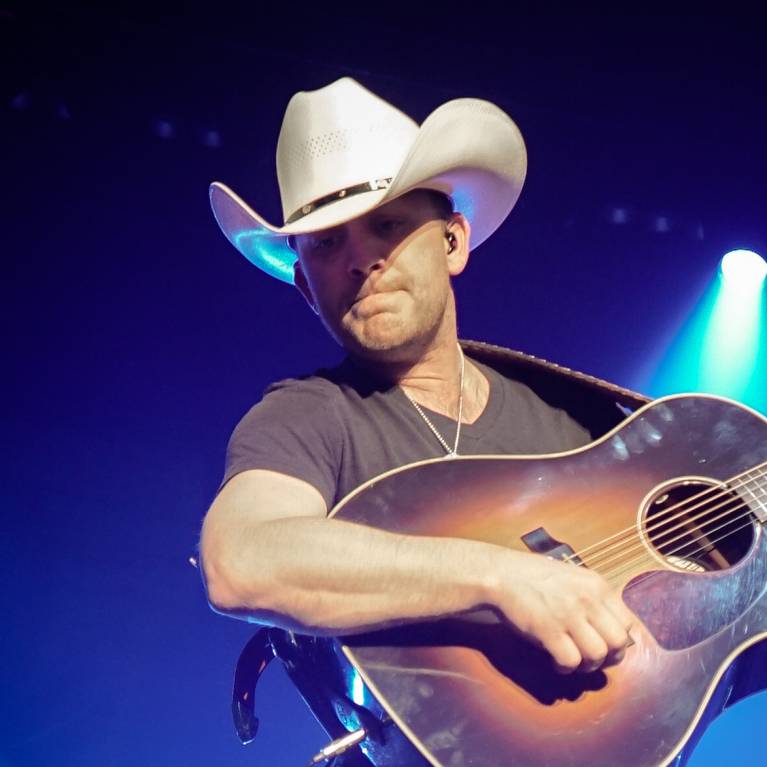
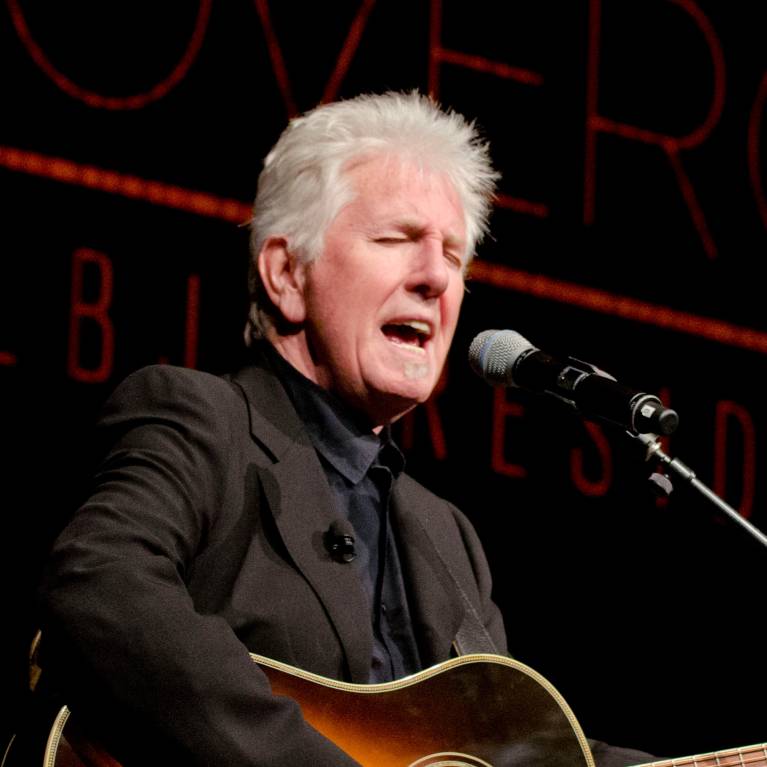
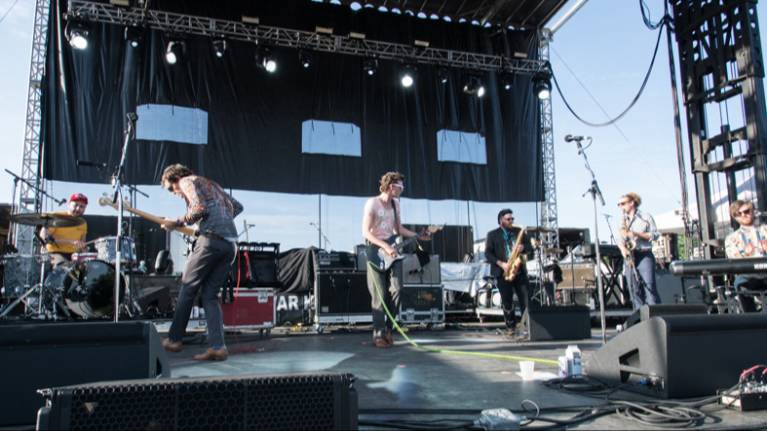
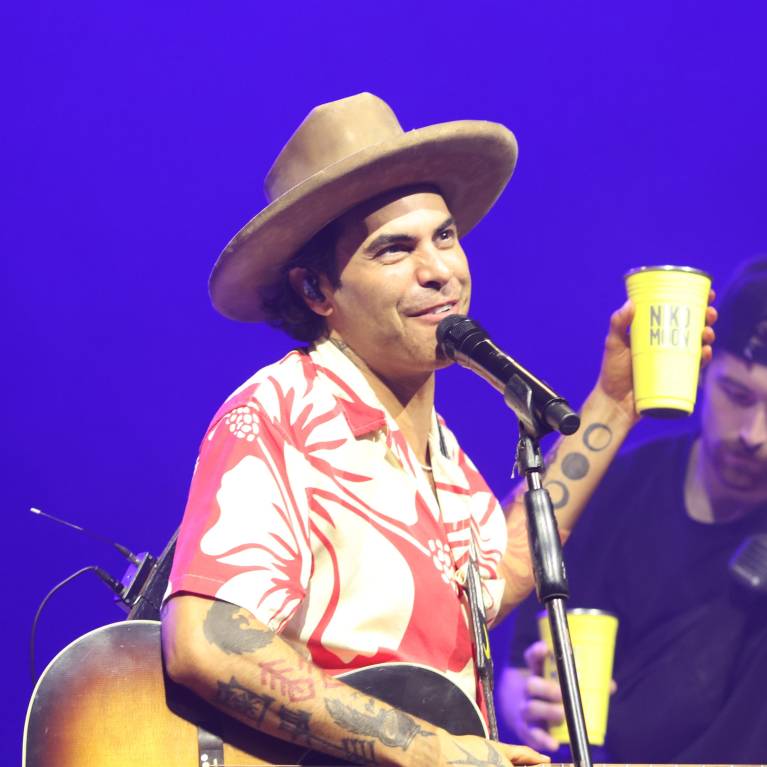
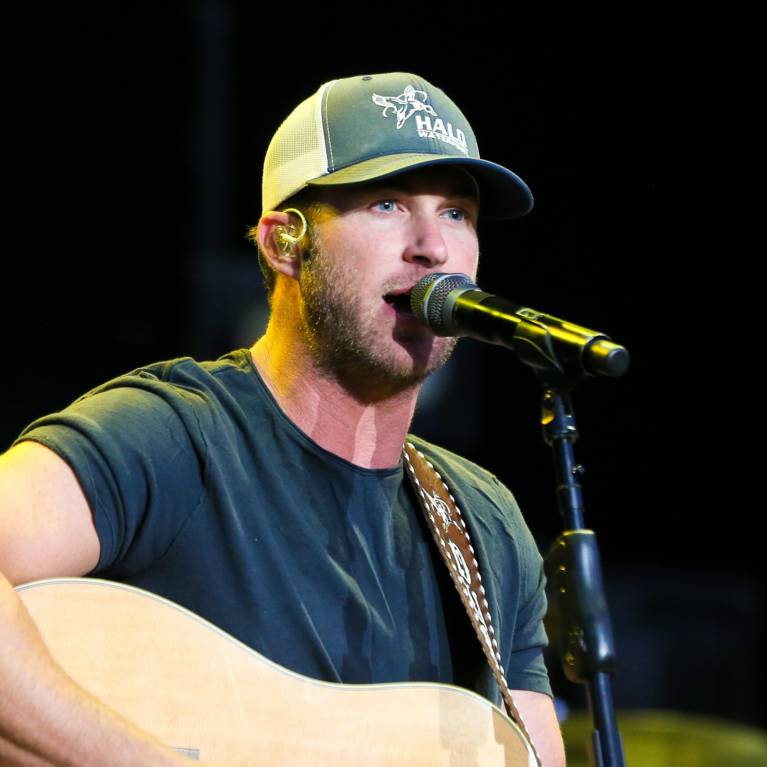
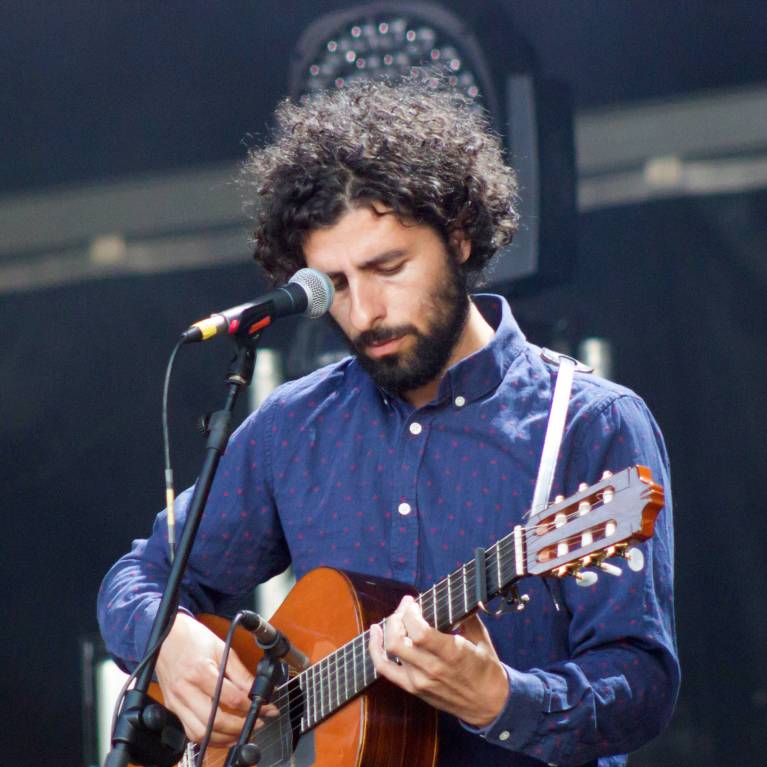
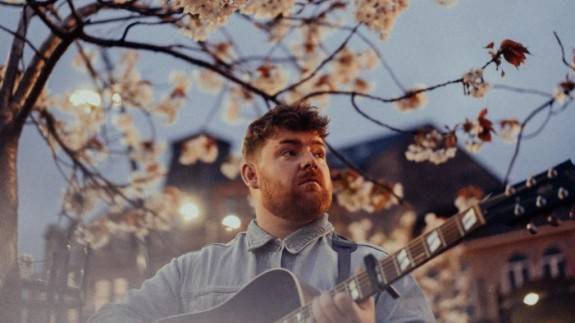
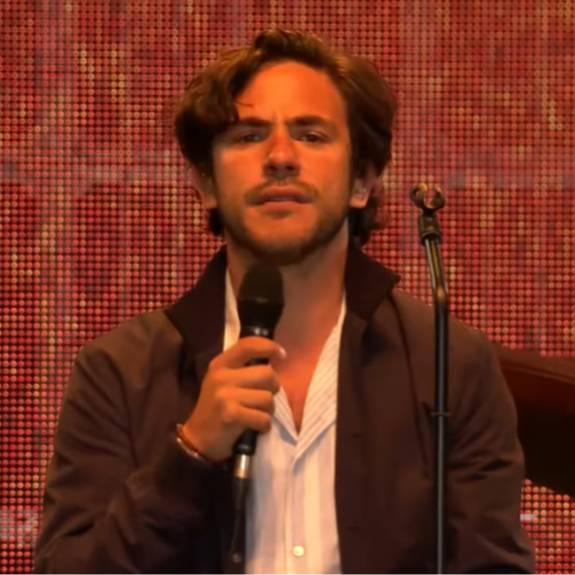
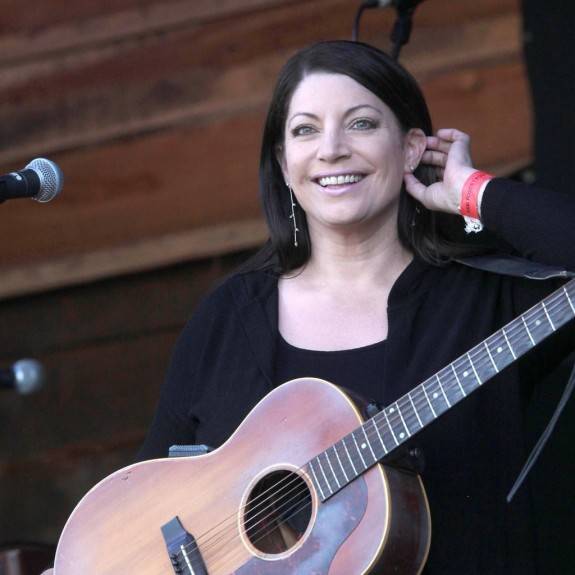
At today’s Folk and Americana gigs you’ll hear everything from stripped-back solo sets to harmony-rich bands. Expect songs about love, loss, places, and politics; instruments like fiddle, banjo, mandolin, and dobro; and an atmosphere where you’re invited to listen closely - and maybe add your own voice.