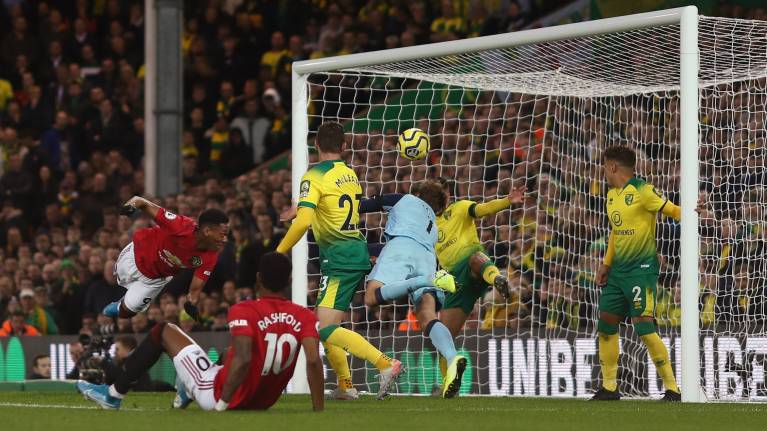
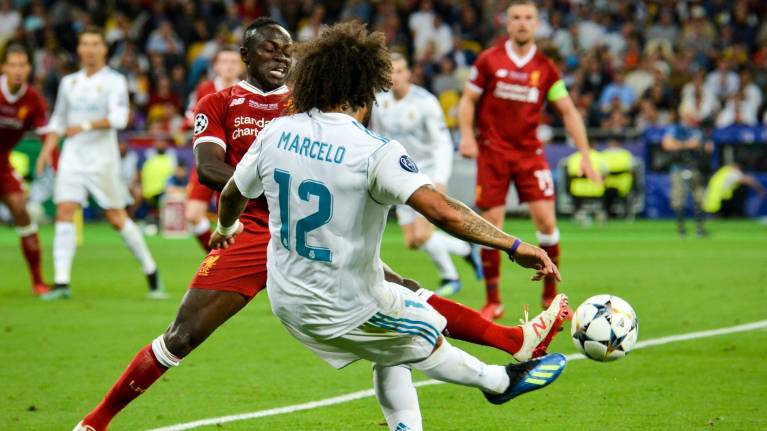
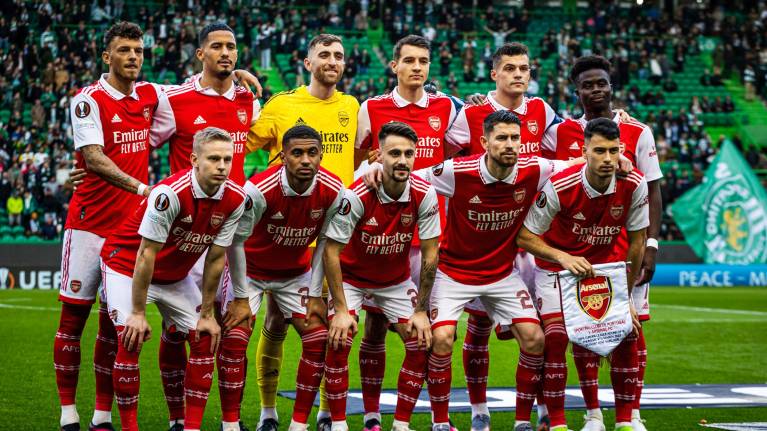
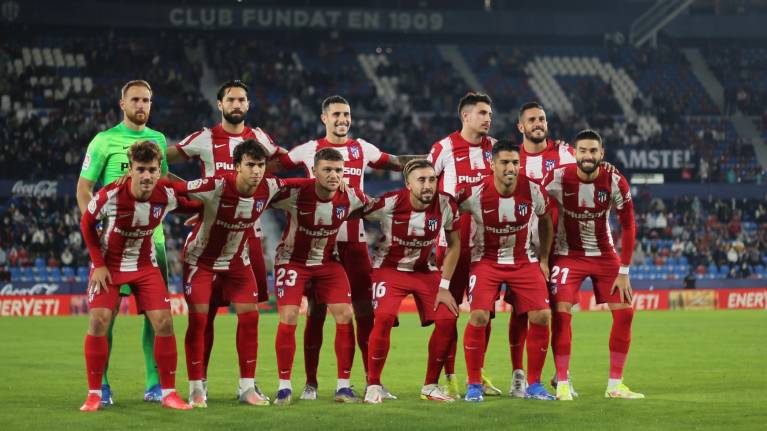
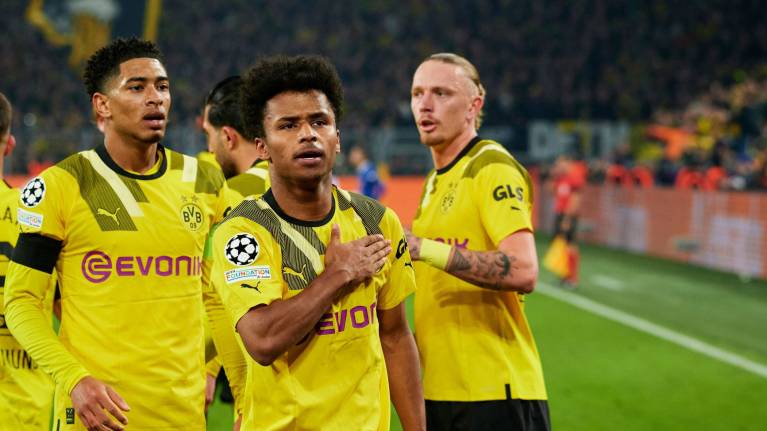
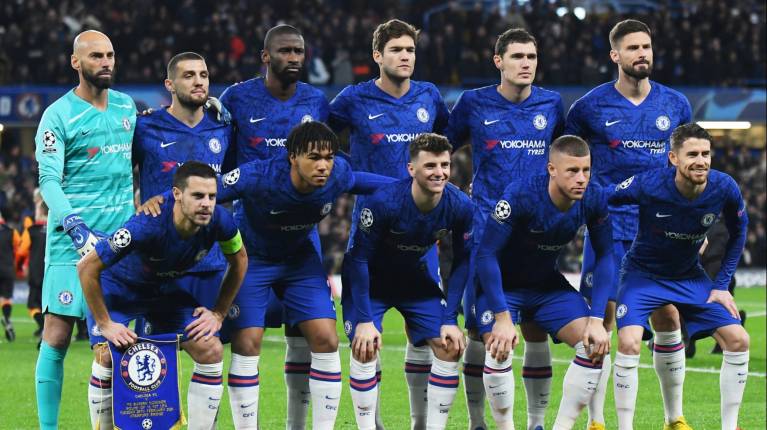
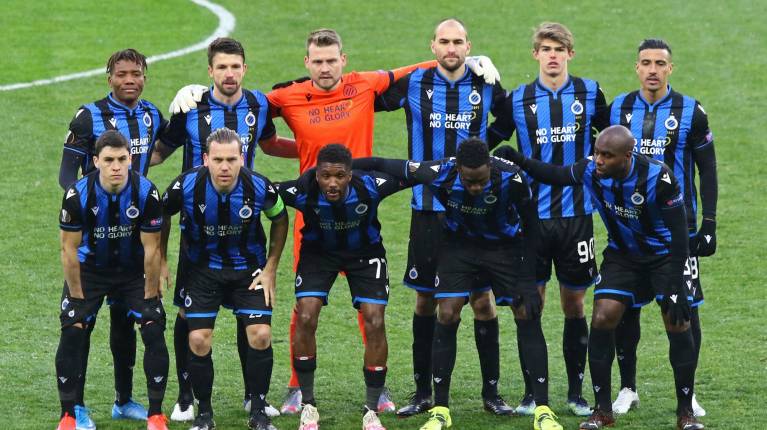
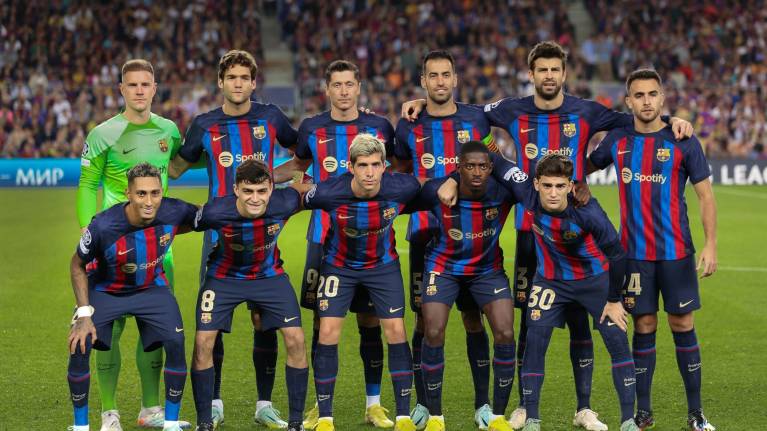
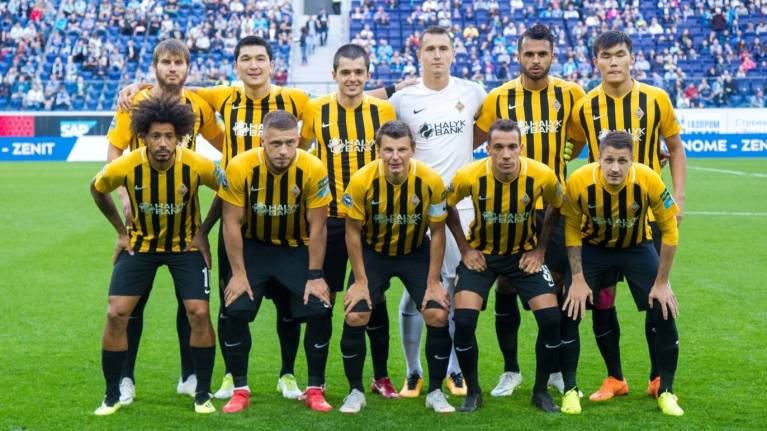
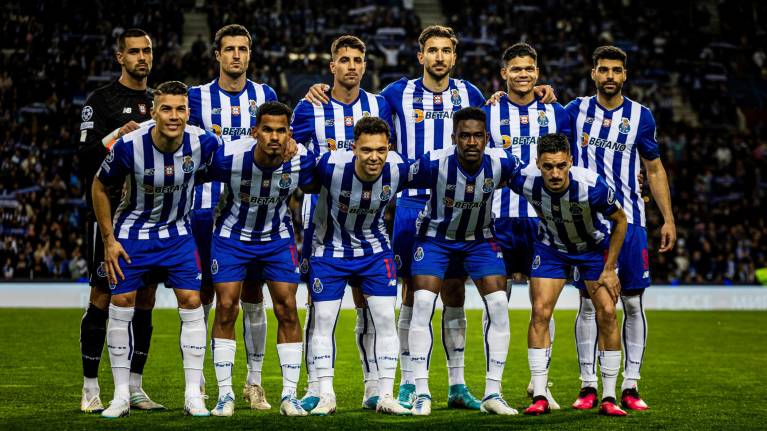
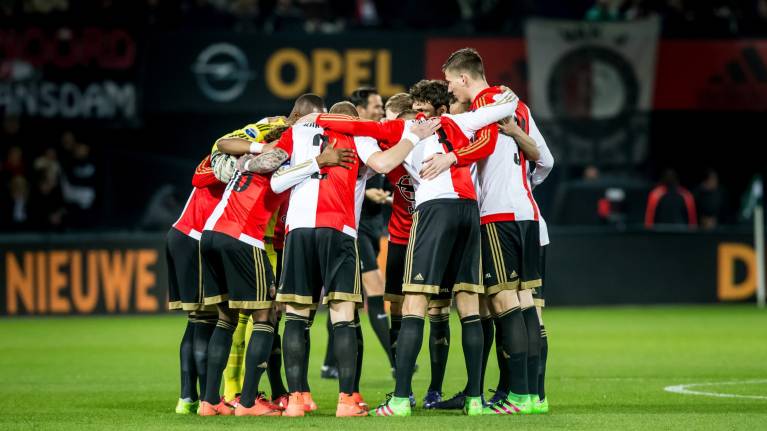
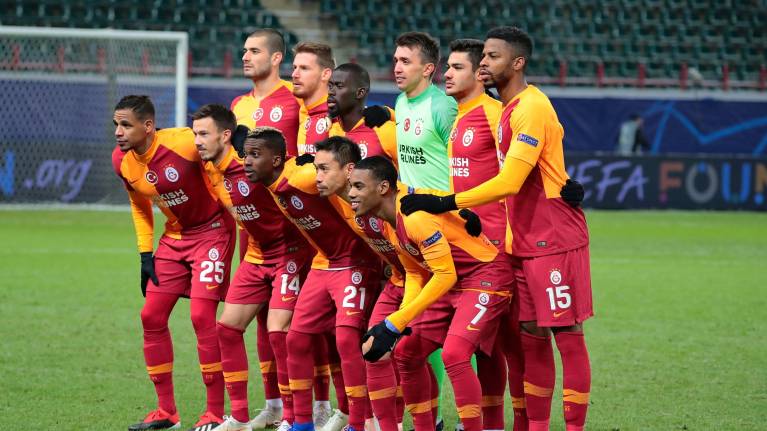
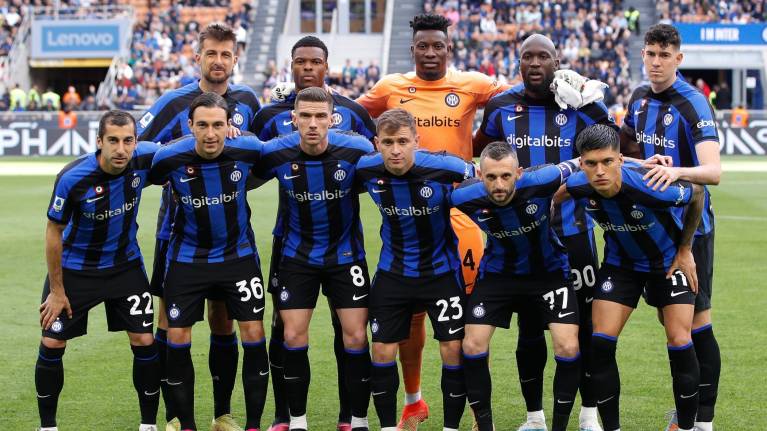
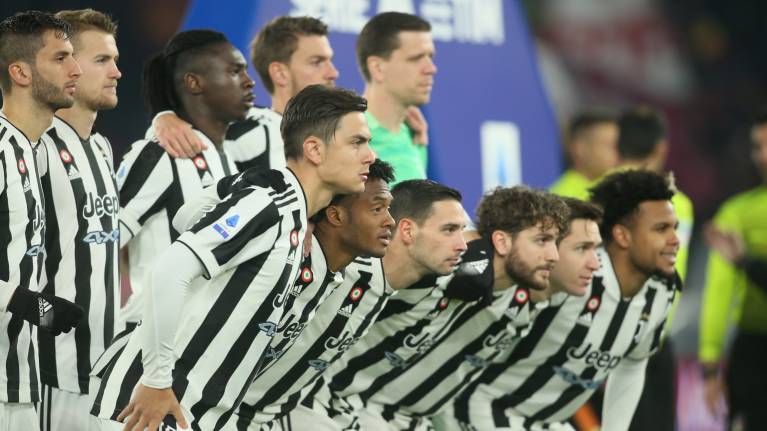
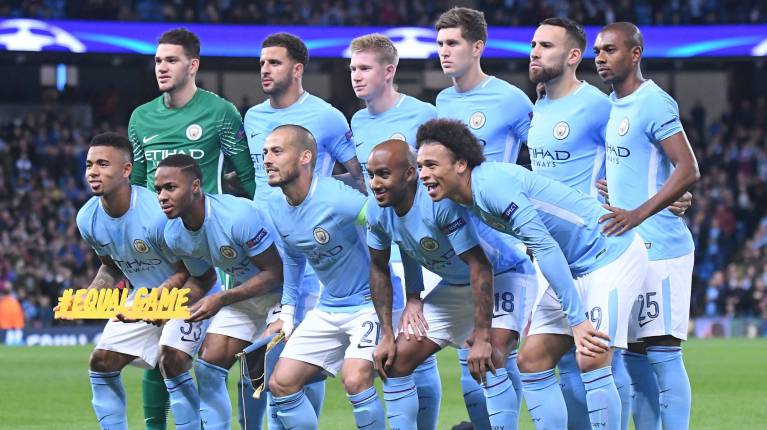
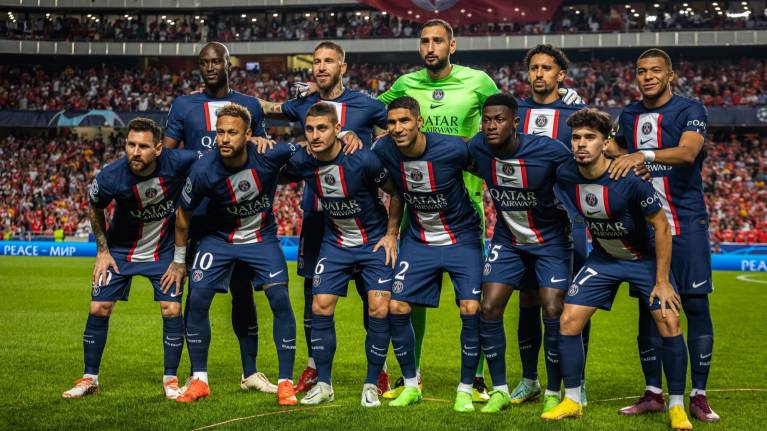
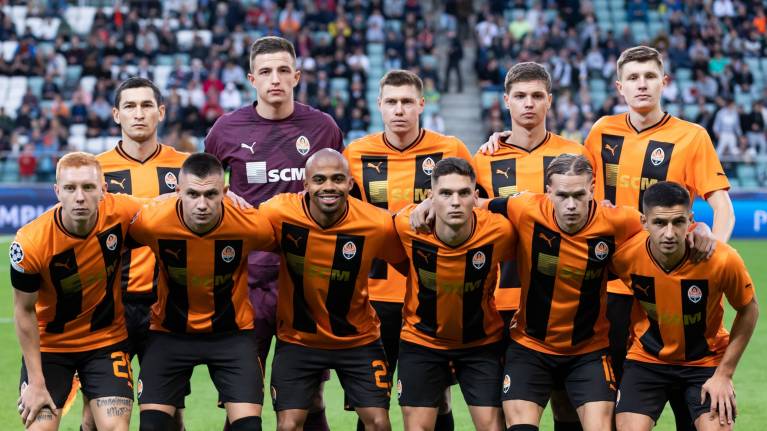
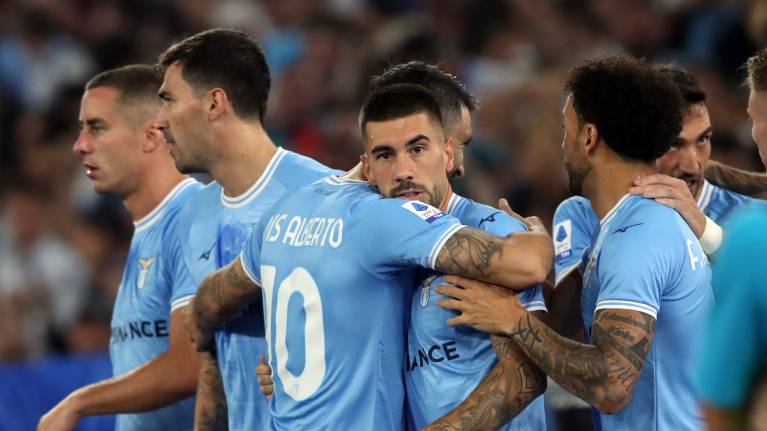
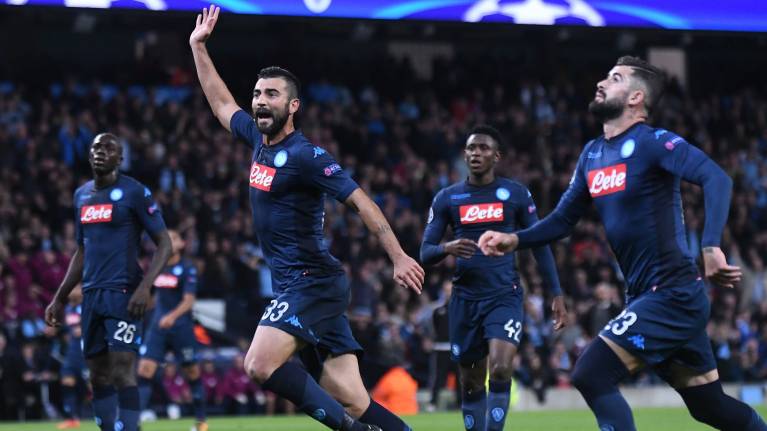
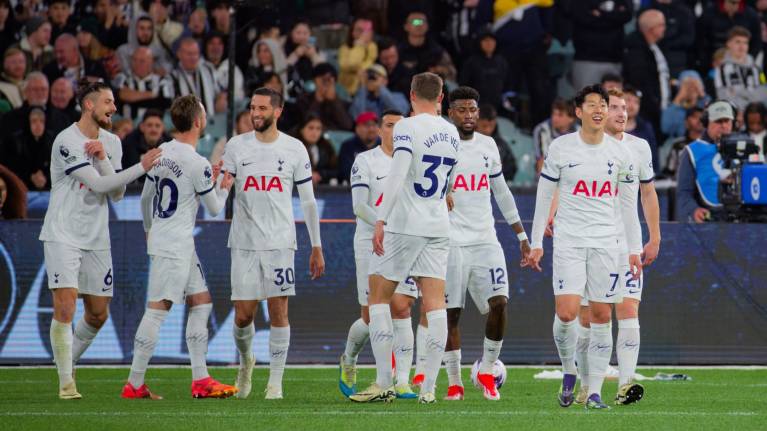
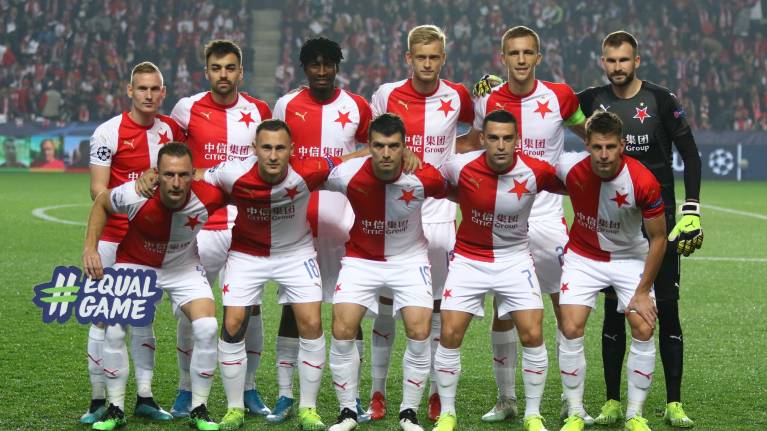
Regarded by many as the most prestigious club football competition in the world, the UEFA Champions League is an annual tournament contested by top-division European clubs. Featuring Europe’s – and by extension, the world’s – biggest clubs and many of the game’s best players, the Champions League produces sporting excellence and drama like few other competitions on the planet; you won’t find the beautiful game played to a higher standard anywhere else.
📜 UEFA Champions League History
Inspired by the successful Campeonato Sudamericano de Campeones (“South American Championship of Champions”) held in 1948, the idea of an elite European club tournament came to fruition in 1955, when the first-ever edition of the European Cup took place. The European Cup was initially intended as a direct knockout competition reserved only for the champions of Europe's top divisions. However, the tournament gradually evolved and in 1992 UEFA renamed it the Champions League and changed its format to accommodate more than 1 club per country. With even more of the continent’s top teams contesting it each year, this move helped the competition develop into the behemoth it is today.
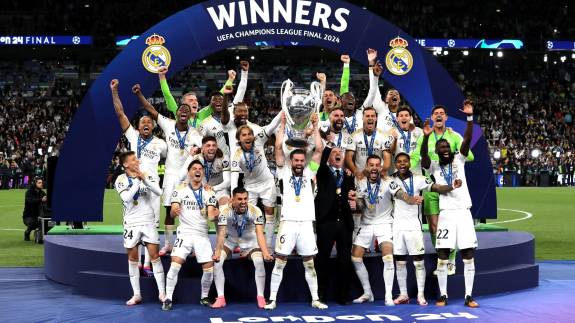
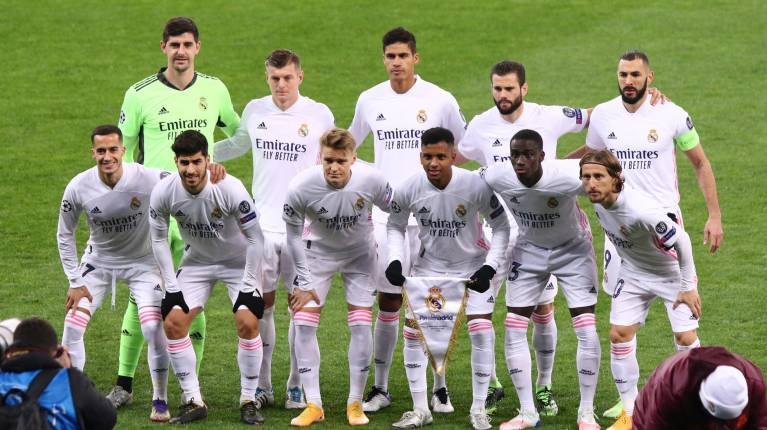
Throughout the tournament’s history, more than 20 clubs have lifted the trophy at least once. The undisputed kings of Europe are Real Madrid, who are the competition’s most successful club. Other prolific Champions League winners include AC Milan, Bayern Munich, Liverpool FC, and FC Barcelona, while the likes of Ajax, Manchester United, and Chelsea FC have also won it on more than one occasion. For more recently successful teams such as Paris Saint-Germain, being crowned as Europe’s best club remains their ultimate goal.
Cristiano Ronaldo is the competition’s record goalscorer, followed by Lionel Messi.
💯 UEFA Champions League Format & Scoring
Following a format change in 2024, the competition is contested by 36 teams each year. Of those, 25 book their place through their domestic league position from the previous season, there is 1 place each for the reigning Champions League and UEFA Europa League winners (given to other teams if those clubs also qualify via their league position), and 1 place each for the 2 associations with the highest UEFA coefficient points the previous season, while the remaining 7 enter after winning their preliminary qualifying rounds.
The clubs are placed into a single 36-team league table in which 3 points are awarded for a win, 1 point for a draw, and none for a defeat. The teams – seeded into 4 pots – are then randomly drawn against 8 opponents, playing 1 match against each. In total, each team will play 2 opponents from each pot (teams cannot face opponents from their own association or more than 2 opponents from a different association); 4 home matches, and 4 away matches.
The teams that finish in the top 8 of the league phase advance directly to the round of 16. Those that finish 9th to 24th will contest the knockout round playoffs, with teams who finish 9th to 16th being seeded for that draw. The round of 16, sees the top 8 from the league phase take on the 8 playoff winners, with the top 8 being seeded for that draw. From the quarterfinals onward, the draw is completely random.
Knockout ties are played over 2 legs, 1 at each team’s home venue. If the 2 teams are level at the end of 2nd leg, 30 minutes of extra-time will be played. If teams still can't be separated after extra-time, a penalty shoot-out will determine the winner.
The knockout phase culminates in a single final match, usually played in late May or early June at a pre-selected venue.