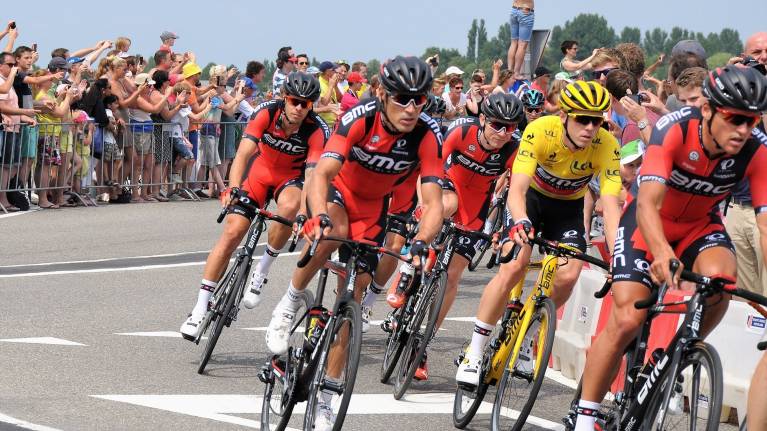
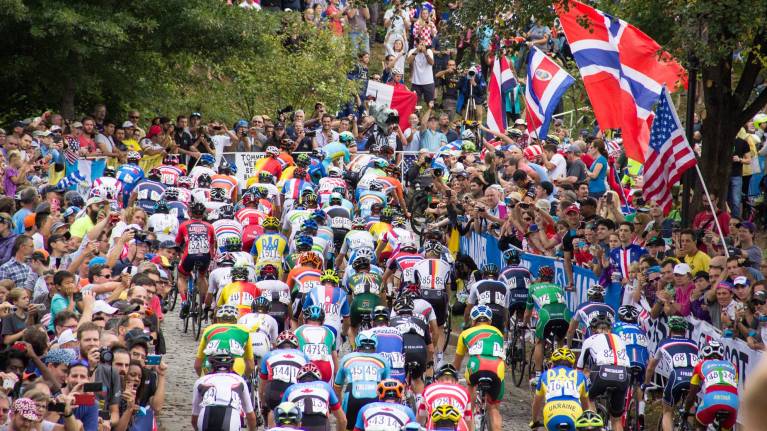
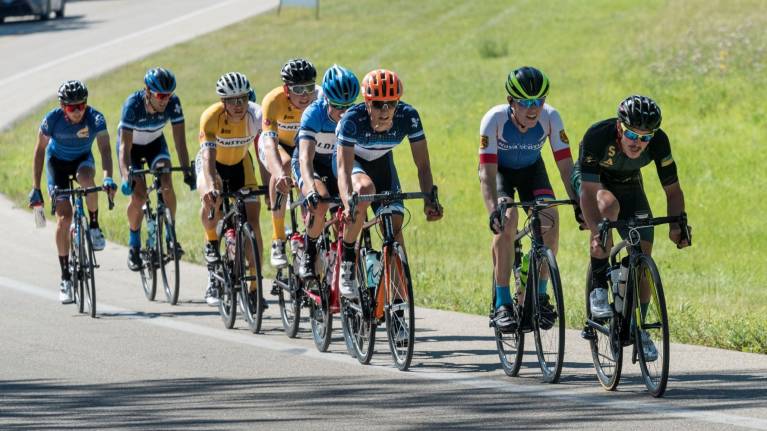
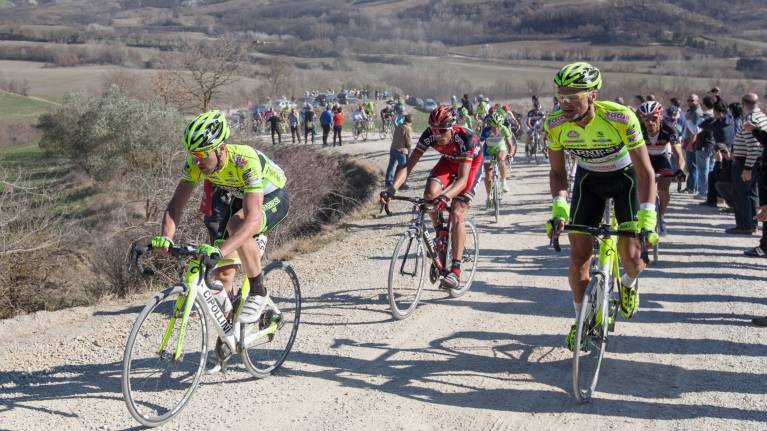
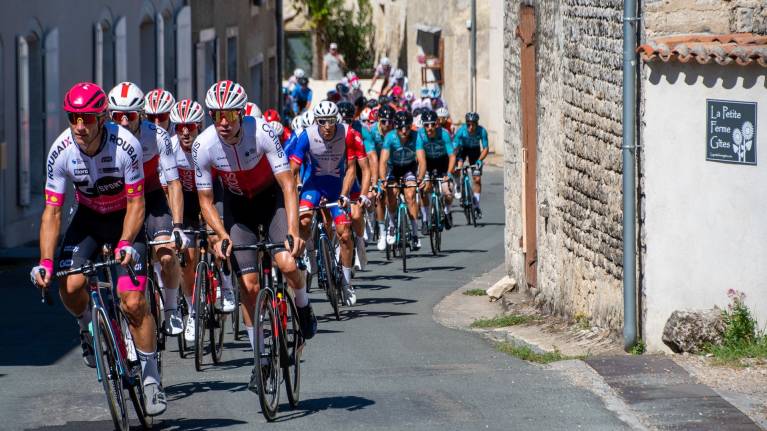
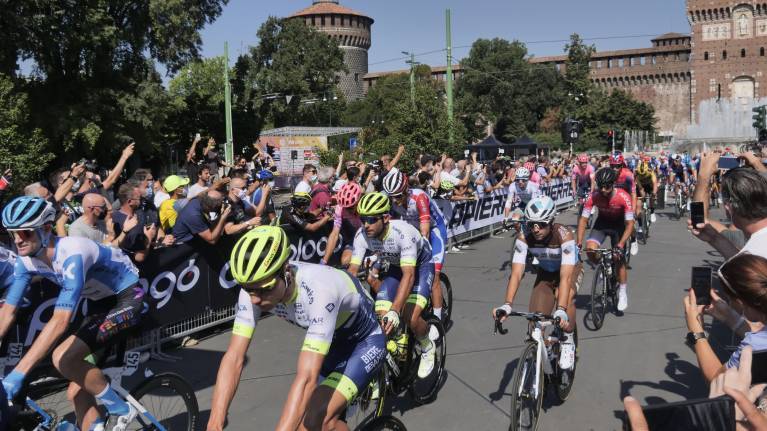
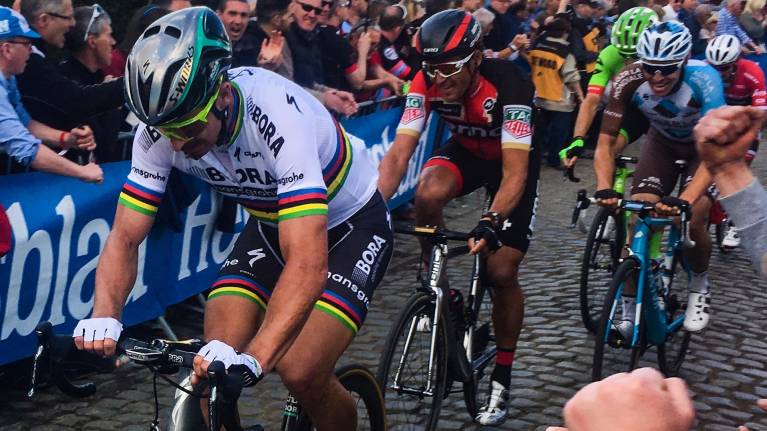
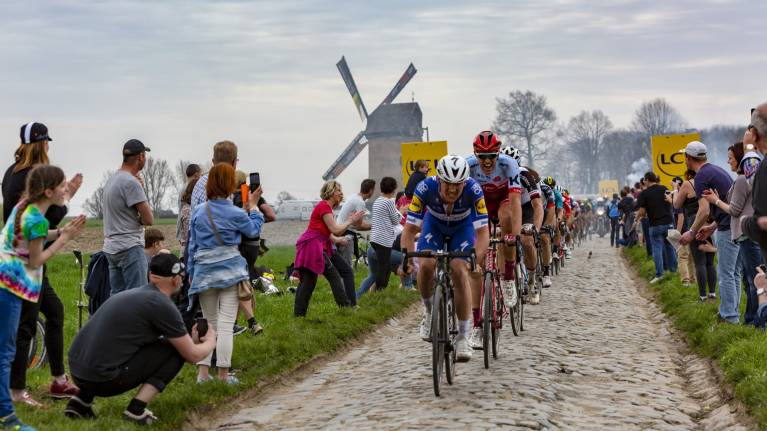
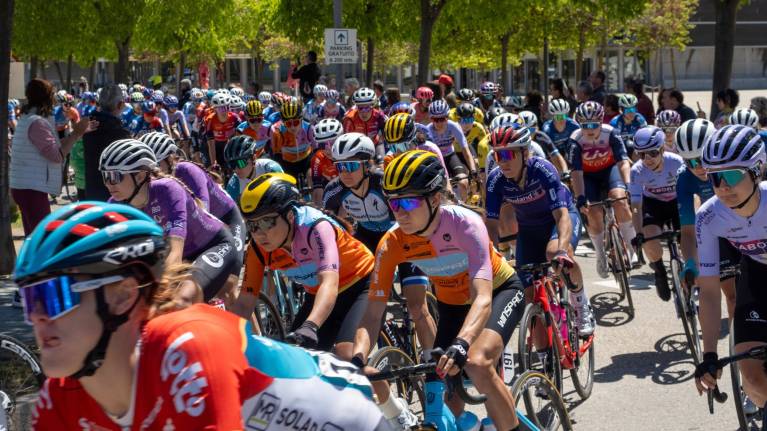
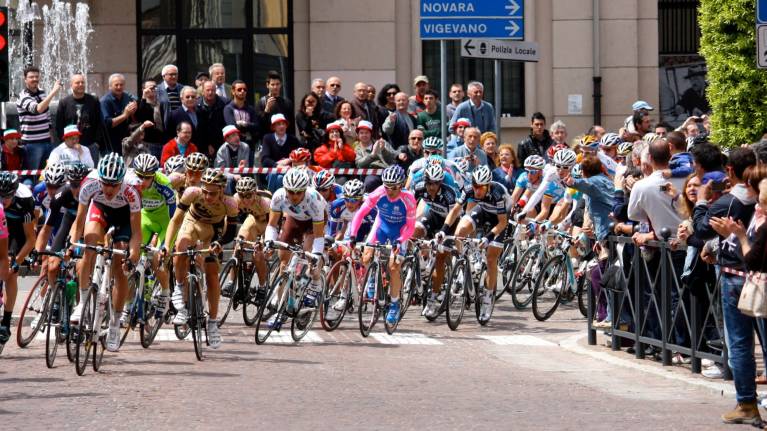
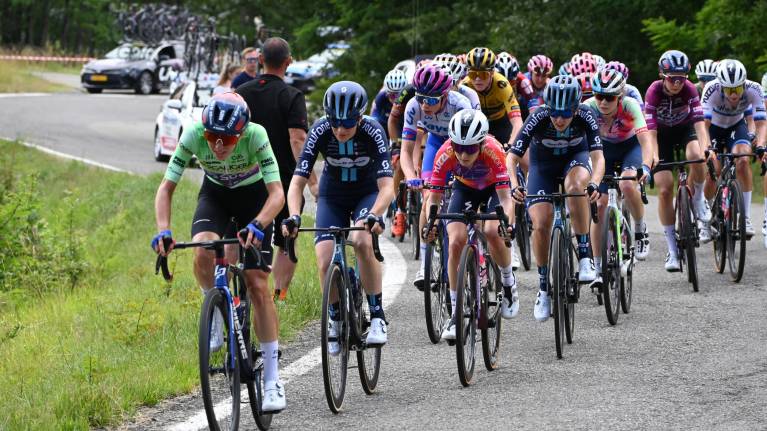
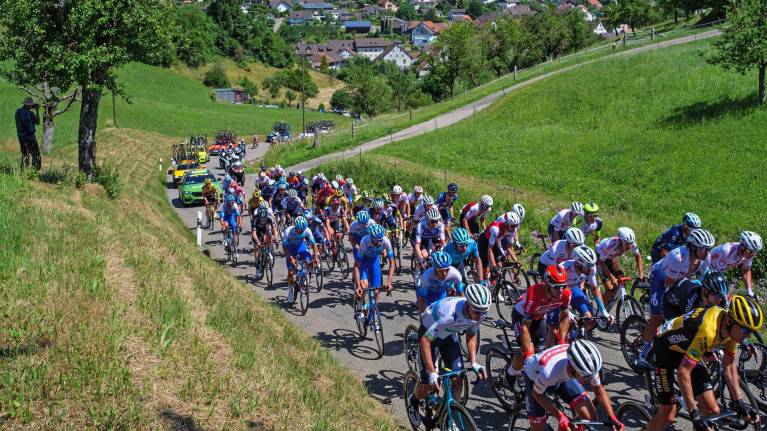
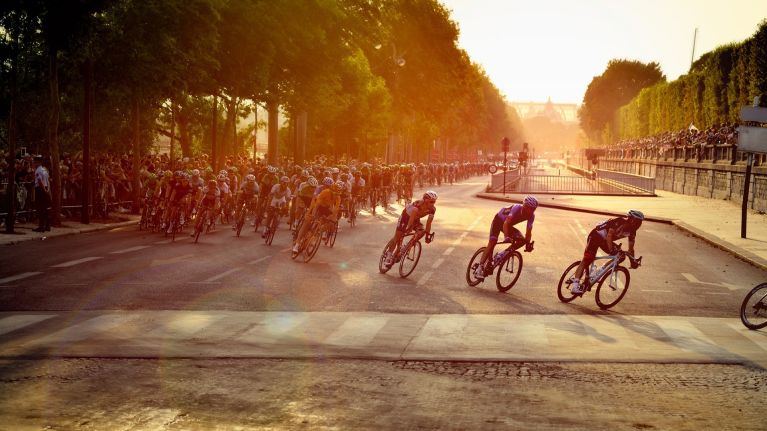
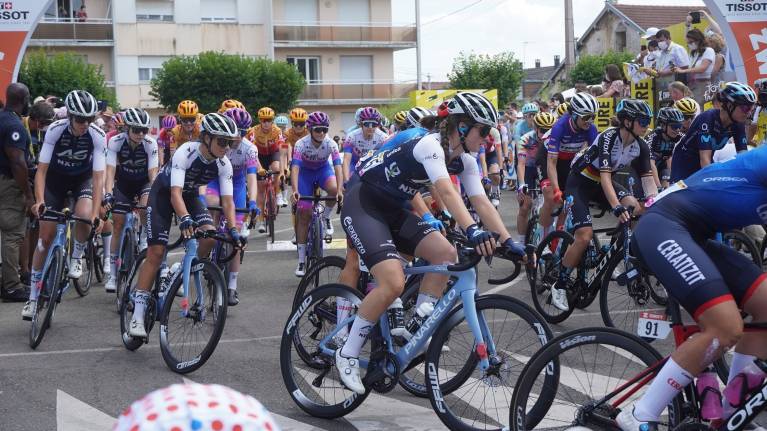
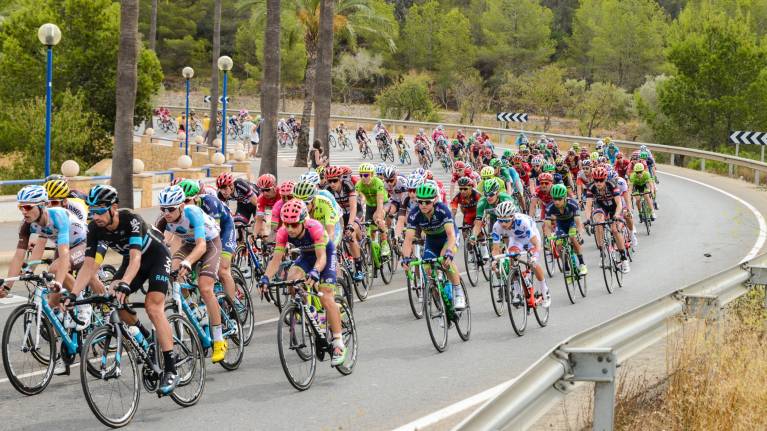
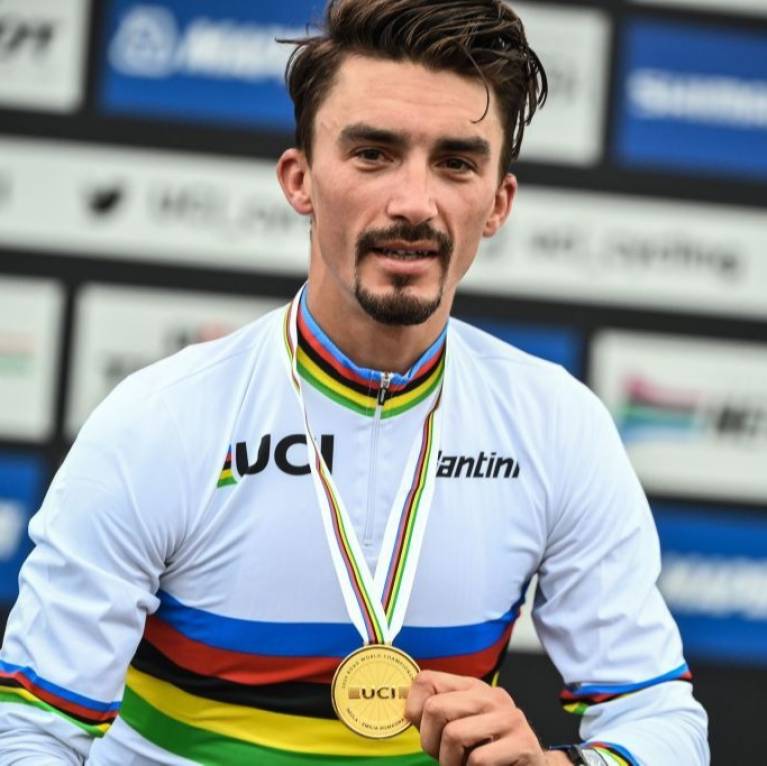
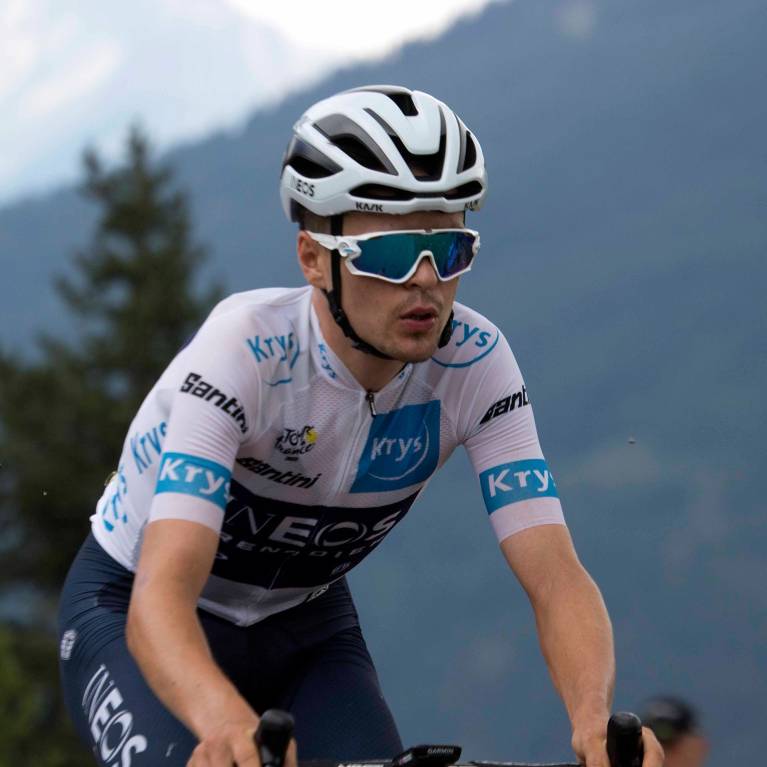
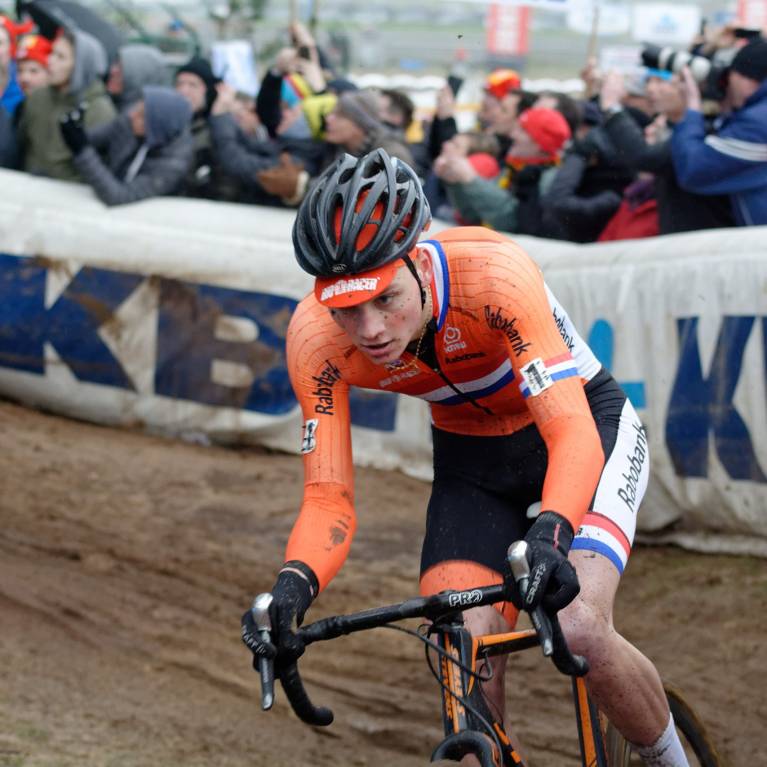
Road cycling is the most widespread form of cycling in which cyclists ride usually on paved roads and road racing is the most popular professional form of bicycle racing, in terms of the number of competitors, events, and spectators. The 2 most common formats are mass-start events (where riders start simultaneously and race to a finish point) and time trials (where individual riders or teams race a course alone against the clock). Stage races or "tours" are over multiple days and usually consist of a combination of mass-start and time-trial stages.
History
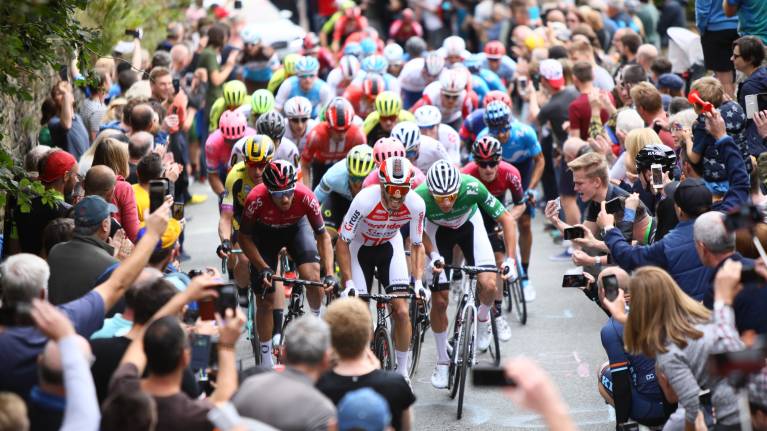
Professional racing became popular in late 19th-century Western Europe, particularly in France, Spain, Italy, the Netherlands, and Belgium, where it is still loved today though races are now held on all continents. The sport is governed by the Union Cycliste Internationale (UCI). As well as the UCI's annual World Championships for men and women, one of the biggest events is the Tour de France, a 3-week race that attracts hundreds of thousands of roadside supporters each stage.
While the principle remains that the winner is the first to cross the line, many riders are grouped together in teams - usually with commercial sponsors - and team members coordinate their tactics to ensure a win for one of their riders.
Format & Scoring
There are different types of professional road racing:
- Single-day - distances may be as long as 180 miles (290 km). Courses may run from place to place or comprise of laps of a circuit and some courses combine both. Races over short circuits - often in town or city centres - are known as criteriums. Some races (known as handicaps) are designed to match riders of different abilities with groups of slower riders starting first and the stronger riders starting last to make the race more competitive
- Time trial - individual time trial (ITT) is an event in which cyclists race against the clock. A team time trial (TTT) sees teams of cyclists race against the clock. In both team and individual time trials, the cyclists start the race at different times so that each start is fair and equal. In team time trials, riders take advantage of slipstreams with each member taking a turn at the front while teammates sit in behind. Race distances vary from a few kilometres to between about 20 miles (32 km) and 60 miles (97 km)
- Stage races - consist of several races (or stages) ridden consecutively. The competitor with the lowest cumulative time across all stages is declared the overall, or general classification, winner. Stage races may also have other classifications and awards, such as individual stage winners, the points classification winner, and the "King of the Mountains" winner. A stage race can include a series of road races and individual time trials (some events include team time trials). Stage races over 3 weeks are called Grand Tours. The professional road bicycle racing calendar includes 3 Grand Tours - the Giro d'Italia, the Tour de France, and the Vuelta a España
- Randonneuring and ultra-distance - ultra-distance cycling races are very long single-stage events where the race clock continuously runs from start to finish. They usually last several days and the riders take breaks on their own schedules, with the winner being the first one to cross the finish line. Randonneuring is not strictly a form of racing but involves cycling a pre-determined course within a specified time limit. These formats are true tests of endurance and determination