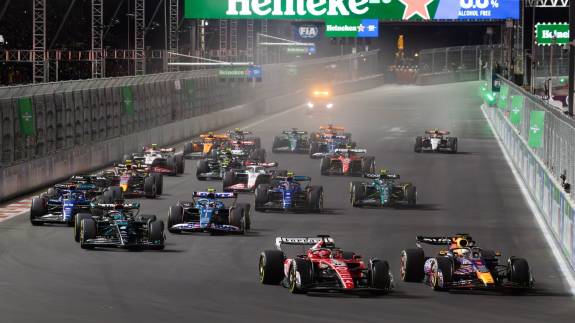
Each Formula 1 Grand Prix is contested by 20 cars, with each of the 10 teams in the championship represented by 2 separate drivers. The events begin with qualifying races, which determine the starting order for the competitive race. The driver who performs best in qualifying starts in pole position, while the driver who performs worst must start furthest from the line.
The winner of the Grand Prix race receives a trophy and 25 championship points, while those who finish second and third receive 18 and 15 points respectively. This continues down to the driver who finishes in 10th position, who receives 1 point. The polesitter and the driver who records the fastest single lap also receive points. At the end of the season, the driver with the most points wins the World Drivers' Championship, while the team with the most points between its 2 drivers wins the World Constructors' Championship.
Bahrain is generally hot and dry, so be prepared for high temperatures and lots of sun during the day. Loose, comfortable clothing is recommended, and although all the grandstands at the Bahrain Grand Prix are covered, it's wise to bring plenty of sun protection if you plan to spend time at the circuit before the night racing.
Live racing commentary is available on the 107FM frequency.
Food and drink stands are available within the circuit during events, offering hungry fans a variety of choices. Most of these stalls are located in the F1 Fanzone, behind the Main Grandstand.
Alcohol can be purchased inside the venue, but cannot be brought in from outside.
There are many entry gates at the circuit, and bag searches are typically enforced.
Toilet facilities are available at the circuit. At a Grand Prix weekend, the busiest times are typically just before the main race on Sunday, so avoid using the restrooms at this time unless you're willing to queue.
First aid stations are provided, and the circuit features a medical centre located close to the Batelco Grandstand.