Motorsports



We feature a huge range of events, and provide alerts on events you already know and help you discover new events to fall in love with
We compare tickets and prices from sellers across the marketplace so you save time and find the right deal for you at the best price
We offer practical information from our in-house journalists and fan reviews to make planning easier so you know what to expect on the day
Koobit is free to use and when you're ready to buy, we always link you directly to the seller so there are never any fees for using our service
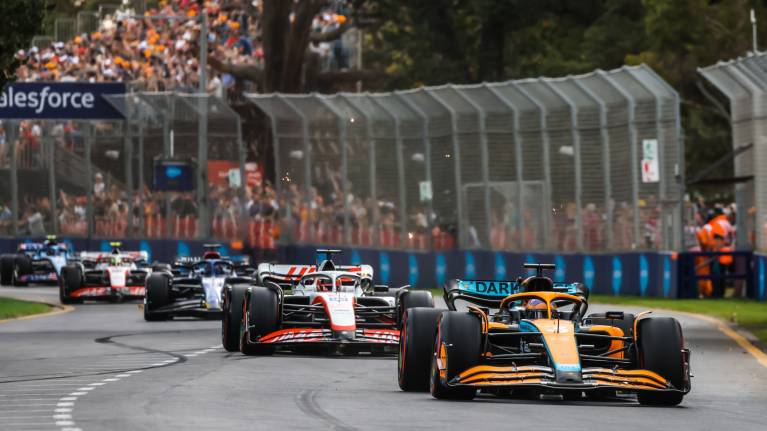
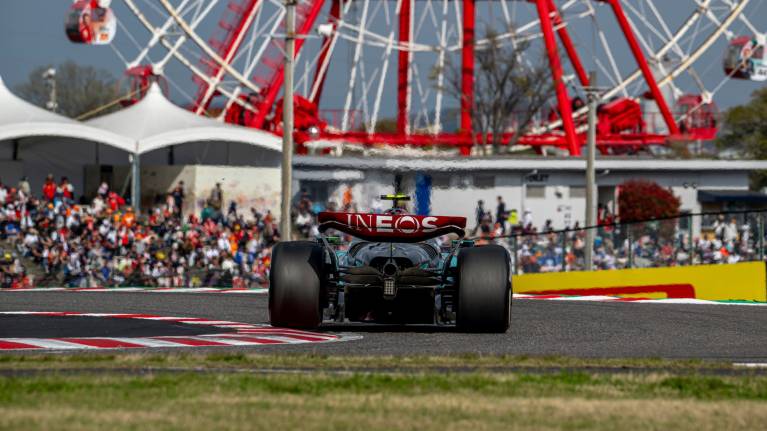
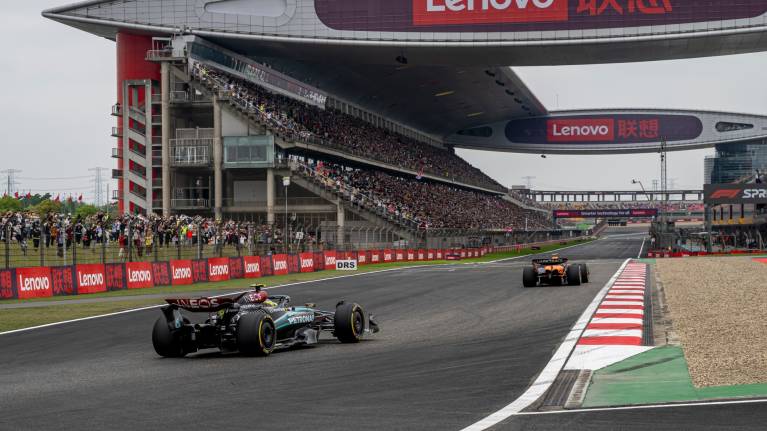
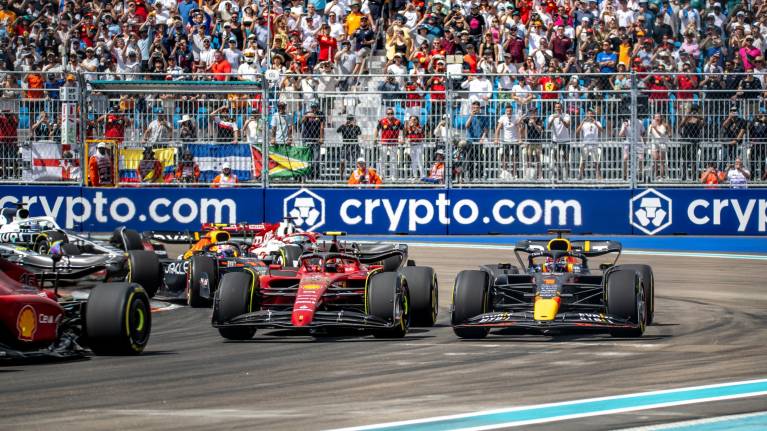
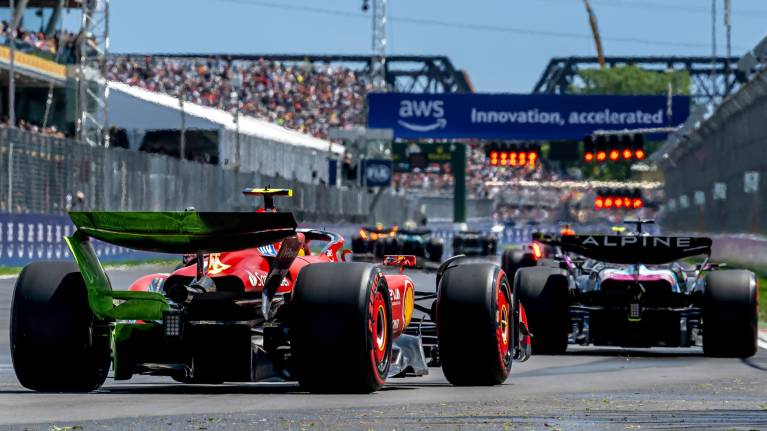
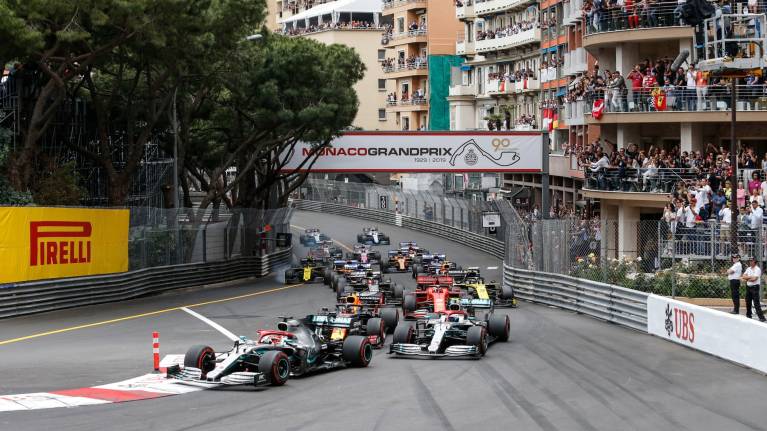
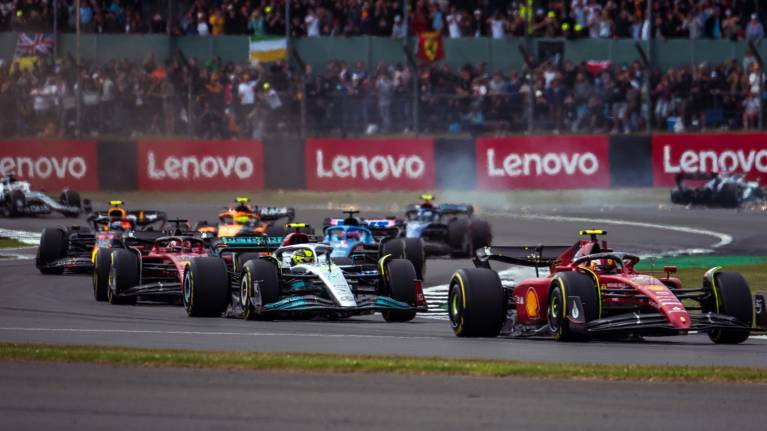
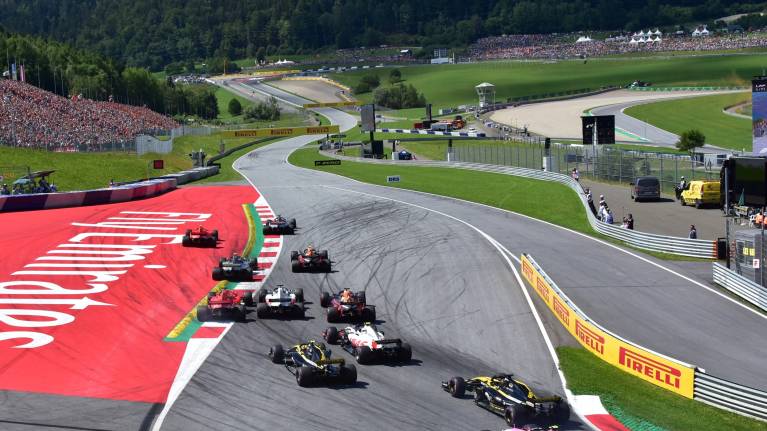
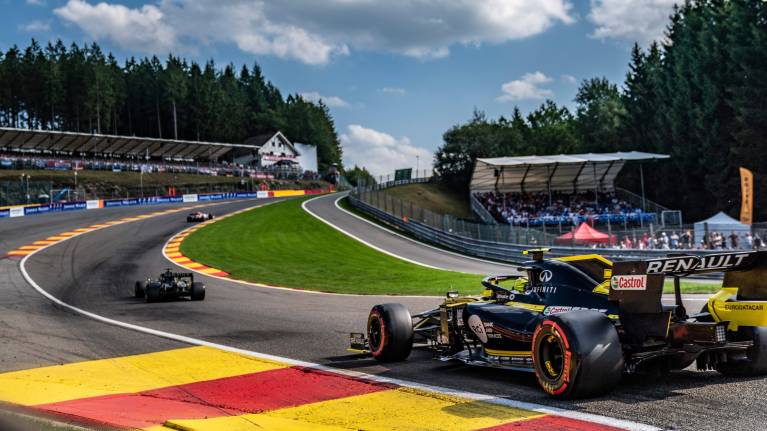
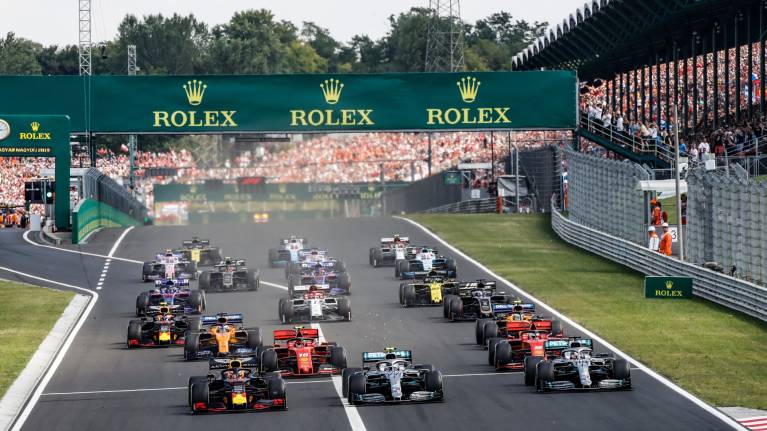
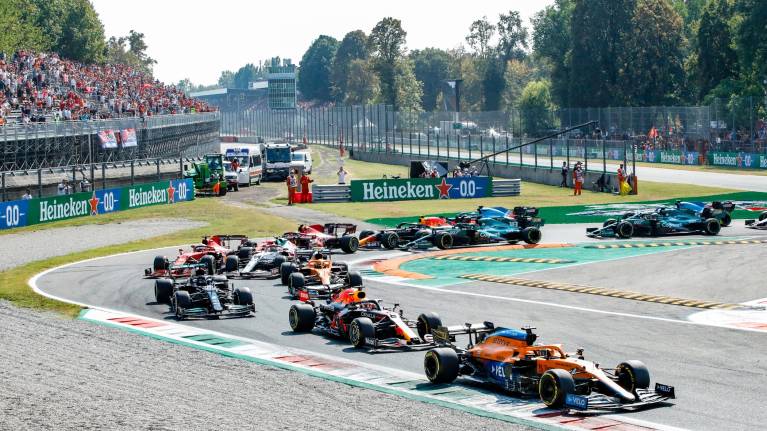
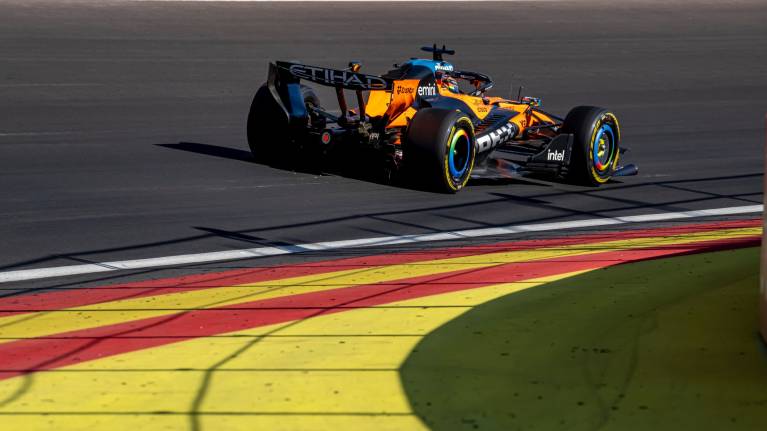
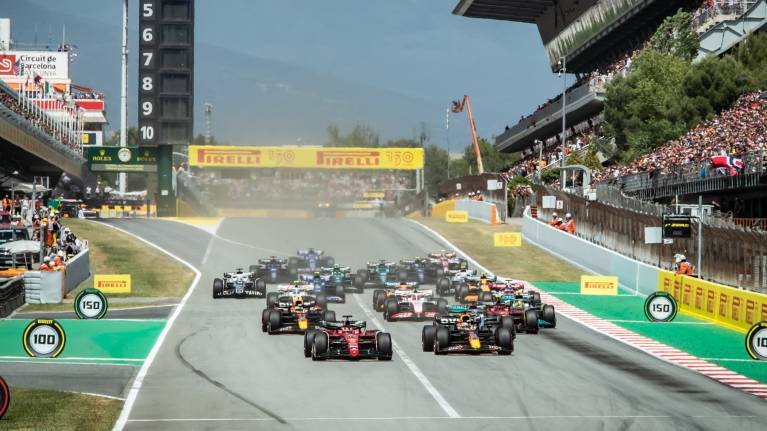
The Formula 1 season features 10 constructor teams with 2 drivers each. In 2025, the teams are Red Bull, Ferrari, McLaren, Mercedes, Aston Martin, Racing Bulls, Haas, Williams, Alpine, and Sauber.
The most successful teams in the history of the championship are Ferrari, McLaren, and Mercedes.
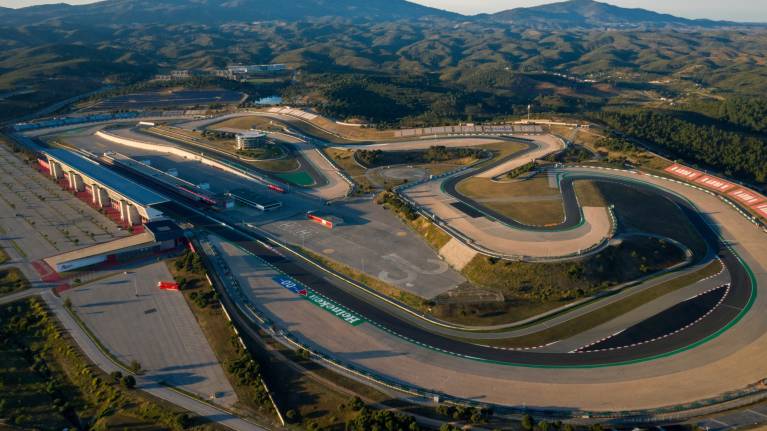
Most circuits offer on-site parking or nearby alternatives, and parking passes are frequently included in hospitality options. Street circuits encourage public transport due to limited parking at the venue. Details of parking options and prices for events, along with public transportation information, can be found on Koobit under the Travel & Parking tab.
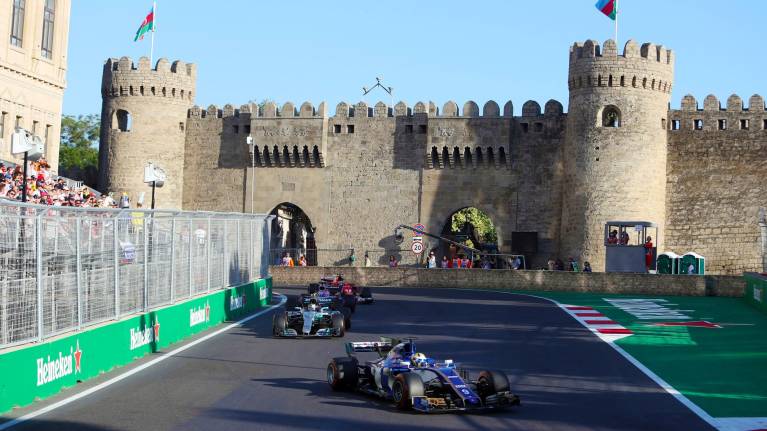
Formula 1 Grand Prix events take place both around cities and in rural areas so accommodation options very widely. As well as hotels, camping is often a popular choice for more rural settings. Tailor made packages for individuals and corporate groups can provide Formula 1 tickets alongside accommodation. Information about local accommodation and tourism can be found on the Accommodation and Destination tabs of each Koobit event page.