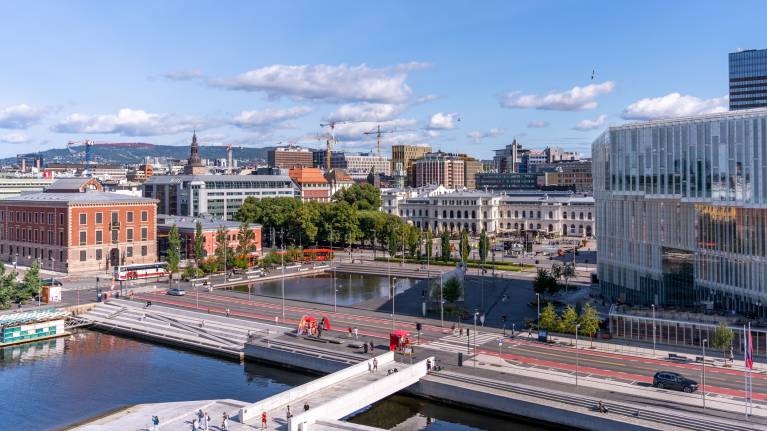
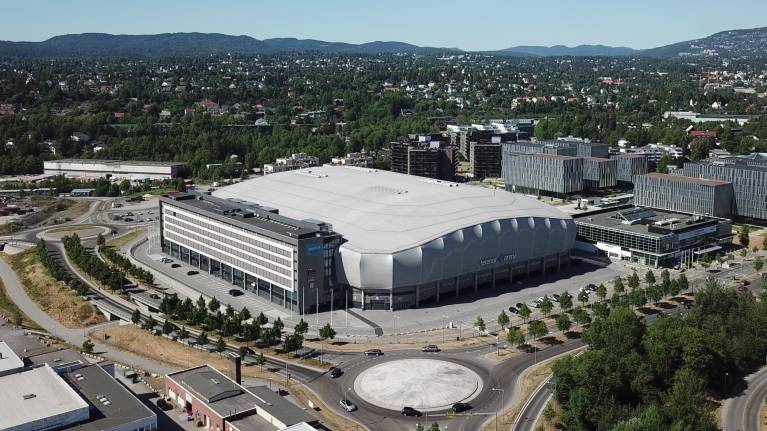
Overlooking the harbour, Sentrum is Oslo’s downtown centre where most of the city’s landmarks are located, including the Akershus Fortress and National Gallery, making it ideal for those who like to be close to the big attractions. The main street, Karl Johans Gate, is also located here, which is lined with excellent bars and shops.
Majorstuen, located west of Sentrum, is also a popular central area to stay in due to its proximity to major train stations, and the bustling shopping street, Bogstadsveien, where a number of major retailers, restaurants, and hotel brands can be found.
Sentrum comes with a premium price tag, but Gamle Oslo (Old Oslo), which sits just next door, is one of the city’s cheapest neighbourhoods. This historic location, featuring beautiful medieval ruins, was forgotten for a while, but it is now an up-and-coming area thanks to its transformational redevelopments.
Aker Brygge is another transformed neighbourhood next to downtown Oslo, but its popularity has made it one of the more expensive areas to stay. However, you benefit from its upscale canalside bars, shops, and galleries if you do.
Grünerløkka and Bislett, in the northern part of the city centre, are where you’ll find the city’s cool, creative crowd. Both neighbourhoods offer plenty of alternative bars, shops, and venues. Of course, these are the ideal locales for those wanting to experience Norwegian nightlife.
Frogner, meanwhile, is a quieter and more quaint neighbourhood west of the city centre. It benefits from its seafront views, pretty streets, and green open spaces, which families might prefer.
The city centre is connected by a reliable tram service, but if you’re heading further out, or prefer to travel at a faster pace, then you can take the T-bane underground train. Of course, if you want to experience the city like a local, then just hop on a bike and cycle to your destination.