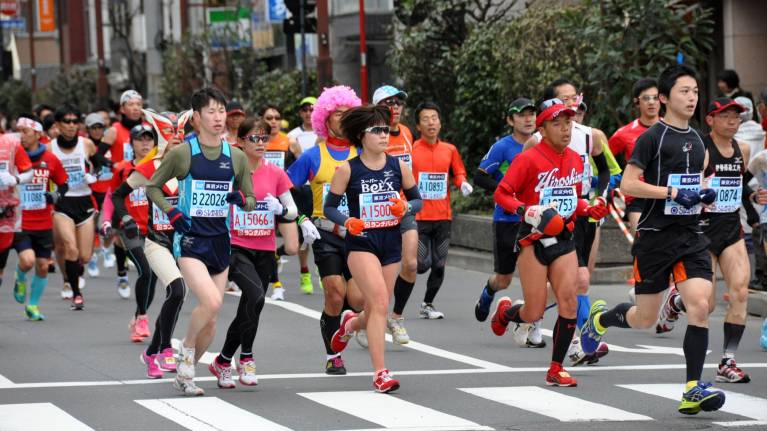
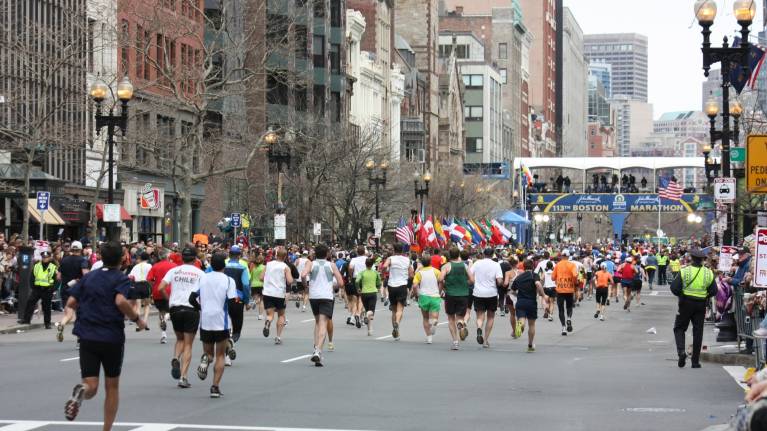
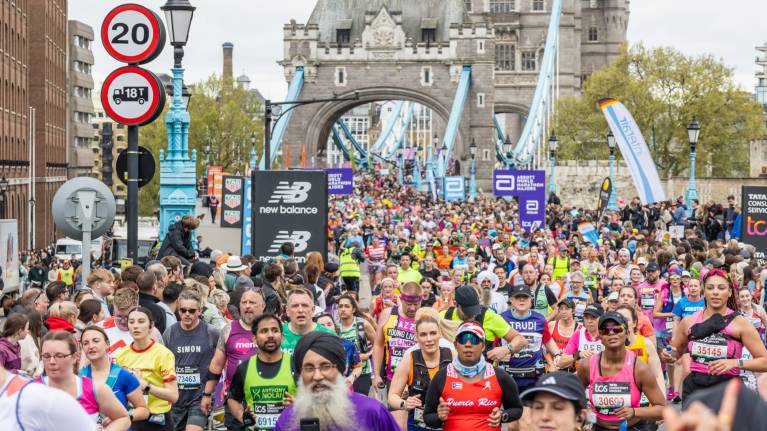
"Of all the races, there is no better stage for heroism than a marathon." – George A. Sheehan, physicist, author, and athlete.
The marathon takes its name from the legend of Philippides, the Greek messenger who ran the entire distance from Marathon to Athens without stopping and burst into the assembly, exclaiming νενικήκαμεν ("we have won!"), before collapsing and dying.
Thankfully, nowadays a marathon is a long-distance foot race ending in rest and recuperation! It made its debut in 1986 as one of the original modern Olympic events and, in 1921, the distance was standardised to 42.195 kilometres (26 miles 385 yards).
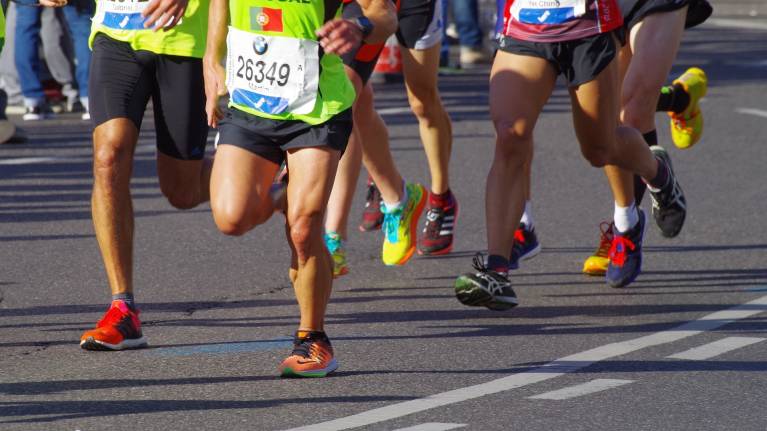
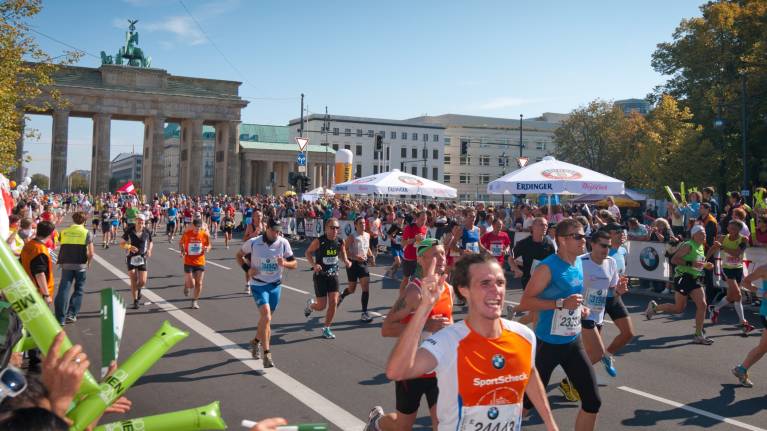
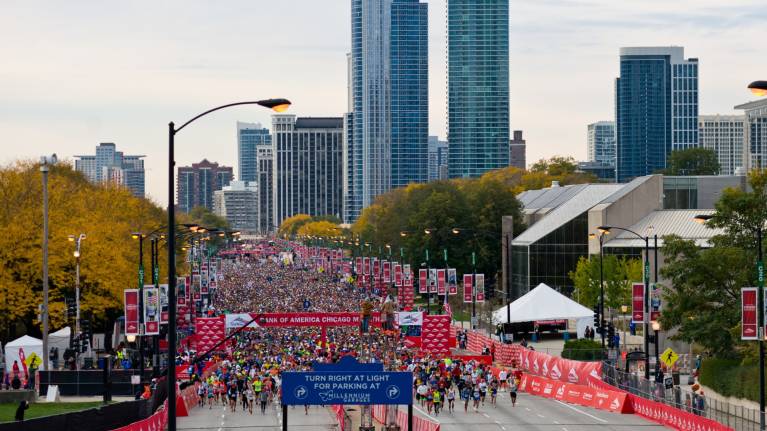
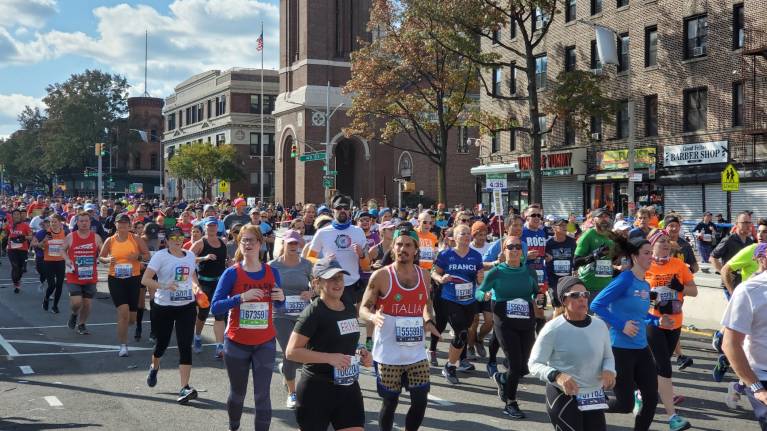
More than 800 marathons are held throughout the world each year and provide a unique combination of professional athletes followed by recreational runners who take part for fun or for charitable causes – often in weird and wonderful costumes! With viewing opportunities along the entire route, no marathon is complete without its swathes of vocal and enthusiastic crowds cheering runners to the seemingly unreachable finish line.
The marathons of Berlin, Boston, Chicago, London, New York City, and Tokyo form the biennial World Marathon Majors series, awarding over $500,000 annually to the best overall male and female performers in the series.
Race Format
The objective of the marathon is to cover the 42.195 km distance in the fastest time possible (although for most, just getting to the finish line is enough of a goal!). World records were not officially recognised by the IAAF until 2004. Before this, the best times for the marathon were referred to as the "world best".
Professional participants are subdivided by gender and wheelchair athletes, and then released in separate waves, each operating as their own race.
Marathons are usually run as a road race, but the distance can be covered on trail routes. Courses must conform to IAAF standards for a record to be recognised, however, marathon routes still vary greatly in elevation, course, and surface. Typically, the fastest times are set over relatively flat courses near sea level, during good weather conditions and with the assistance of pacesetters.