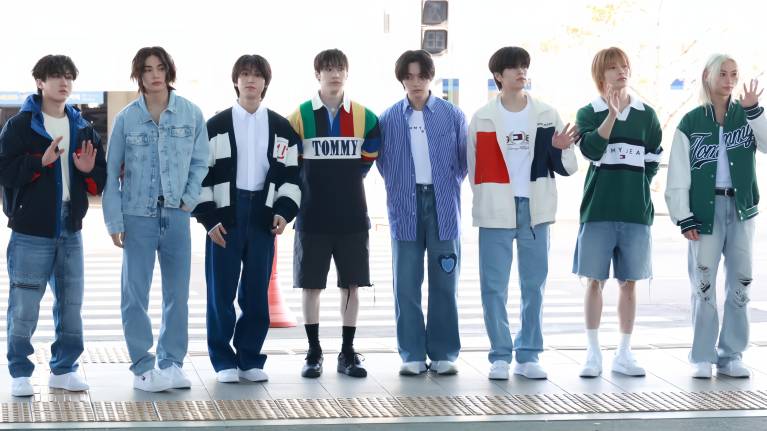
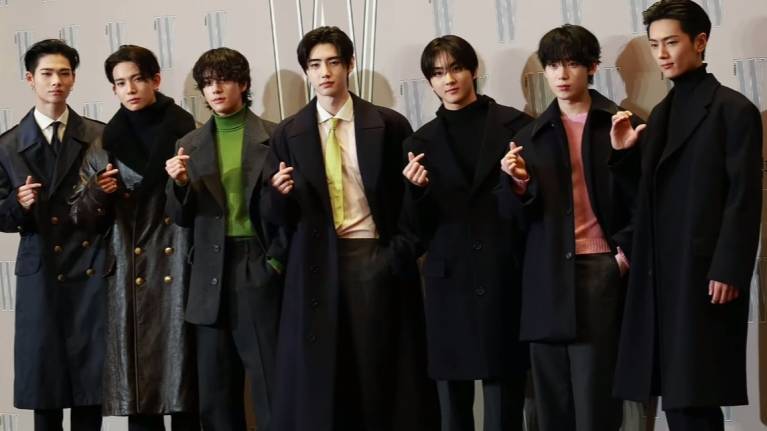
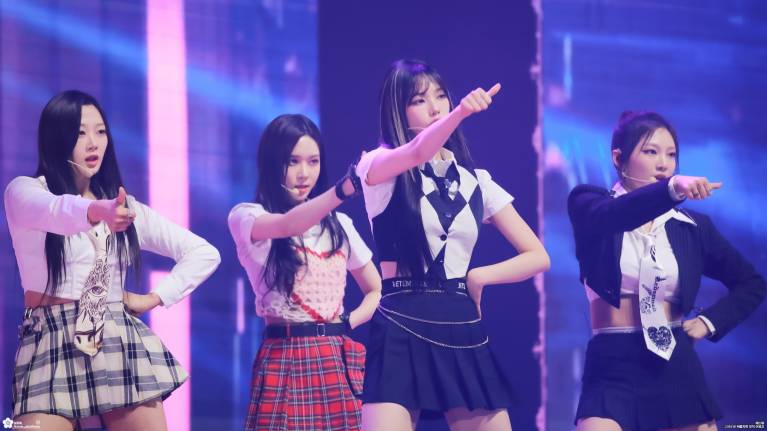
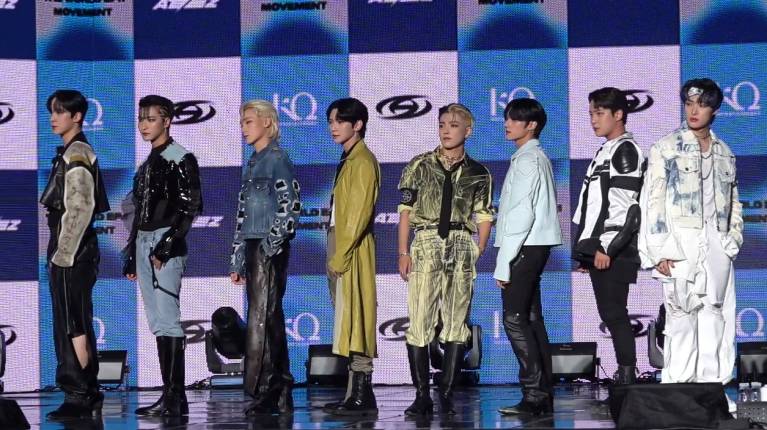
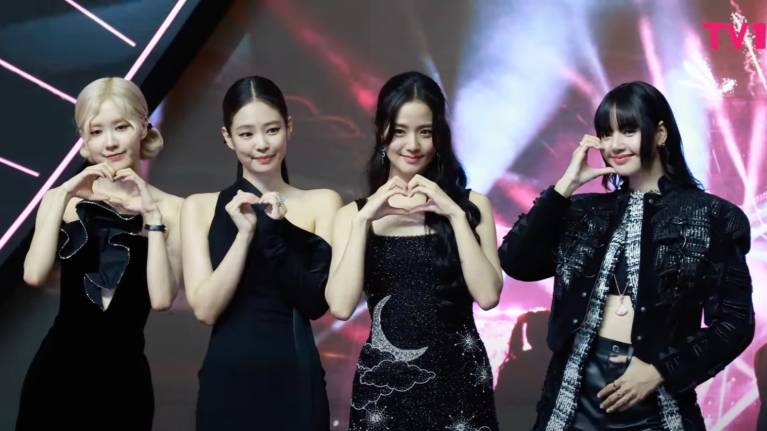
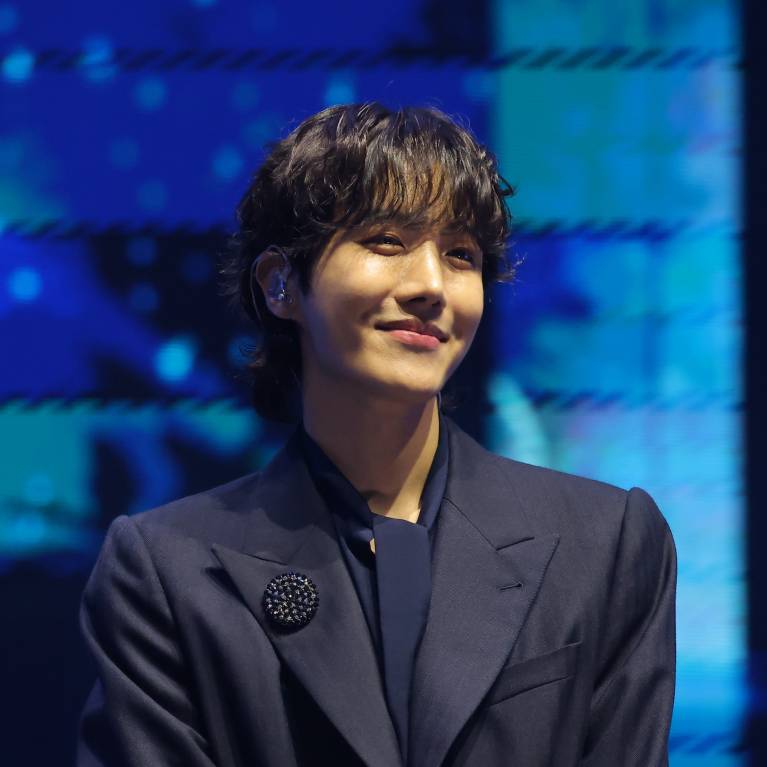
"What makes K-pop K-pop is the sense of community, the fandom connection, the collaboration between the fans as well as the world building around these groups." – Sulinna Ong
Born in South Korea and now a global phenomenon, K‑Pop is more than just catchy songs - it’s a full‑scale audiovisual experience. Blending pristine pop production with hip‑hop, R&B, EDM, rock and even traditional Korean sounds, K‑Pop is known for razor‑sharp choreography, constantly evolving concepts and highly polished visuals. Fans don’t just listen; they follow storylines across albums, videos, social media and live shows, creating a uniquely immersive fandom culture.
History of K-Pop Music
Modern K‑Pop traces its roots to early 20th‑century Korean popular music, which fused local styles with Western influences. After the Korean War, U.S. military radio introduced rock, jazz, and pop, gradually reshaping the local sound. The real turning point came in the 1990s: groups like Seo Taiji and Boys mixed rap, dance and foreign styles, breaking with conservative norms and laying the foundations of K‑Pop’s genre‑blurring identity.
From the late ’90s, entertainment companies developed “idol” training systems, producing groups like H.O.T., BoA, TVXQ and Girls’ Generation. The rise of YouTube and social media in the late 2000s and 2010s turbocharged K‑Pop's reach, enabling acts such as BIGBANG, BTS, BLACKPINK, TWICE and many others to build global audiences.
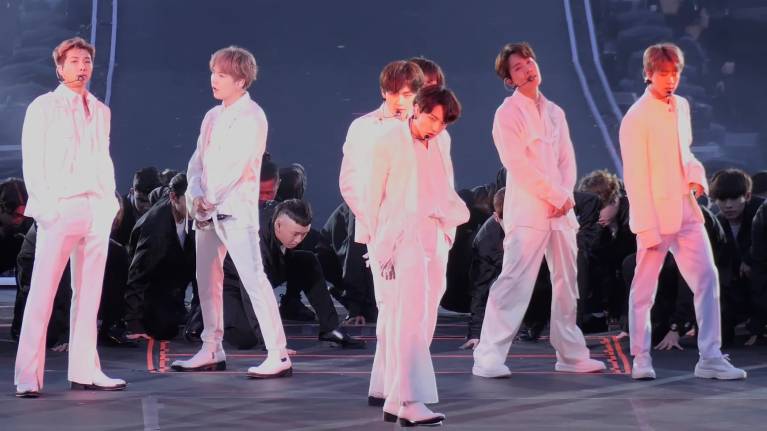
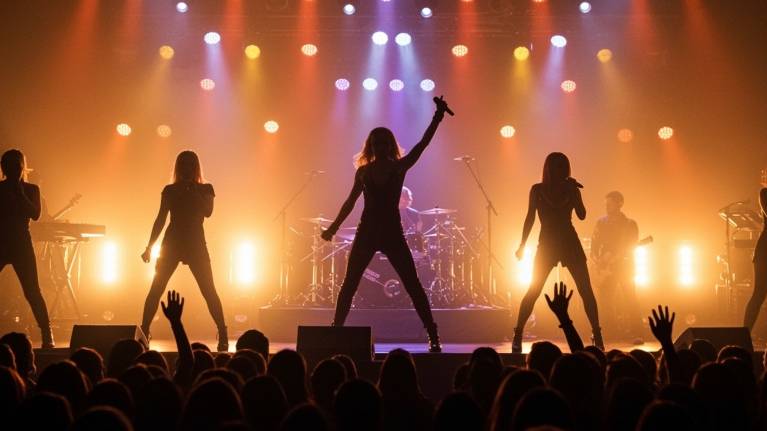
At concerts, expect precision performance on a theatrical scale: intricate staging, costume changes, fan‑chant sections, synchronized light sticks and a strong sense of community. For newcomers and devoted fans alike, a K‑Pop show feels less like a gig and more like stepping into a vivid, shared universe.