

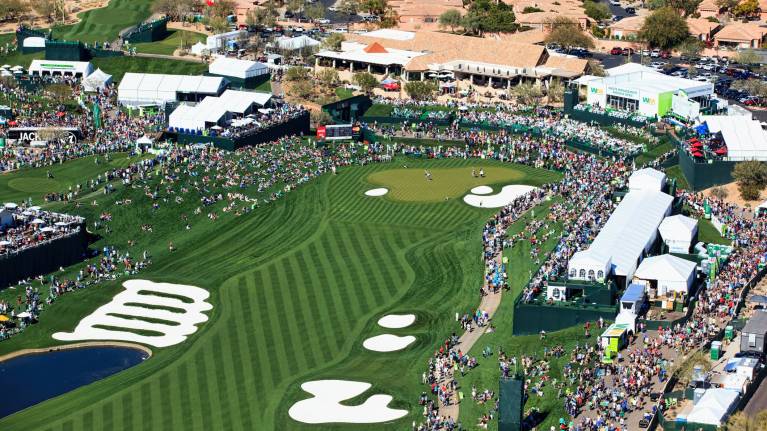
When it comes to sport, nothing beats experiencing it live and in person, and few sports let you get as close to the action as golf. Golf may not be known for raucous atmospheres like some sports, but PGA Tour events draw huge crowds – you can bet it’s not quiet when Rory McIlroy holes out for an eagle or Tiger Woods nails a hole-in-one. It’s hard to fully appreciate the challenge each course poses when you’re watching it on TV, too. When you’re there, you can see for yourself the undulating terrain, sloping greens, and tangle of the rough – it makes the feats achieved by the PGA Tour pros all the more impressive. On top of everything else, just seeing and hearing the ball fly off the tee, struck cleanly by one of the world’s best, is a must for any golf fan; watching on television doesn’t do it justice.
This guide is here to provide useful advice and handy tips to help any spectator get the most out of their experience, from first-timers to regular PGA Tour attendees. If you need help selecting which competition you’d like to attend and which tickets will suit your needs, check out our Buying PGA Tour Tickets Guide here.
- What to Bring and Wear
- When to Arrive
- Venue Parking & Transport
- Entry Gates
- Find Your Viewing Area
- PGA Tour Format and Schedule
- Additional Entertainment
- Crowds and Other Fans
- Taking Photographs and Videos
- Autographs
- Merchandise
- Food and Drink
- Toilets/Restrooms
- Leaving and Exiting the Venue
- PGA Tour Etiquette
- Make the Most of It
What to Bring and Wear
The most important thing to remember to bring to any live sporting event is your tickets. It may seem obvious, but if you have physical tickets, make sure you’ve got them with you before you leave the house. Likewise, if you’ve got e-tickets, ensure they’re downloaded and ready to display on your phone, and make sure your phone is fully charged. Keeping your phone topped up is also good practice generally for golf events, which are a full-day experience. You may even want to bring a portable phone charger to keep yourself topped up throughout the day, although some events may offer phone-charging facilities.
In terms of clothing, unless you’re going to be primarily occupying a hospitality area, it’s important to remember that you’ll be spending much of the day on your feet, doing lots of walking over potentially hilly terrain, with potentially little-to-no shelter from the elements. As such, it’s important to wear clothing and shoes you’ll be comfortable in given those conditions.
Keep it light, loose, and breezy – there's no need to dress like you’re there to play golf yourself – and remember that it’s better to be able to add or remove lighter layers as necessary if you get too cold or too hot. Some fans opt to wear golf shoes for the added grip, while others consider wearing them to be excessive and believe golf shoes are best left to the players – caddies don’t even wear them, after all. Sensible trainers/sneakers should suffice for most attendees, although if it’s wet or hilly and you do want some extra grip, waterproof walking shoes are also a great choice. If you do opt for golf shoes, double-check that spiked shoes are permitted at the tournament. Whatever shoes you choose, make sure they’re broken in before the event.
A hat and/or sunglasses can also be very helpful in shielding you from the sun, and don’t forget sunscreen if it’s going to be hot. Likewise, be prepared in case there’s rain. Weather can change quickly and you’ll be thankful you came prepared with waterproofs or an umbrella (minus the sleeve) – just be mindful of the views of your fellow spectators if you’re using the latter! Koobit’s Destination tabs on event pages show you the current weather and the average weather for the time of year.

Bags are permitted at PGA Tour events, but please note they are subject to strict rules regarding what is and isn’t acceptable. Bags or purses larger than 6”x6”x6” will not be allowed through the gate unless they’re see-through; clear bags must be no larger than 12”x6”x12” to be permitted through the gate. Spectators may also bring a clear 1-gallon plastic freezer bag or medically necessary/diaper bags; infant and medical supplies will need to be inspected before you will be allowed in with them.
Most PGA Tour events offer complimentary water stations where fans can refill their own reusable cup or water bottle. These must be made of plastic or metal (glass is only permitted for medical or infant needs) and no larger than 32 oz. They will need to be empty when you arrive and leave the grounds. If you don’t want to spend all day on your feet but don’t fancy sitting on the grass, you can bring a collapsible chair with you, provided it does not have a chair bag, or seat cushions that do not require a carrying case or have pockets/compartments. Chairs must be taken with you at the end of each day. Insect repellant can also be useful depending on when and where your event is held.
The following items are prohibited at PGA Tour events:
- Glass cups/bottles (except for medical or infant needs)
- Memorabilia or sports paraphernalia
- Computers or laptops
- Fireworks or laser pointers
- Lounge or oversized chairs
- Seat cushions in a carrying case or that have pockets/compartments
- Pets (except for service animals)
- Knives, firearms, or any weapons
- Video cameras
- Selfie sticks
- Posters, signs, or banners
- Radios, TVs, or portable speakers
- Drones
- Motorcycles, mopeds, hoverboards, and other similar devices
You can find the complete list of prohibited items on the PGA Tour’s official website.
When to Arrive
To get the most out of your PGA Tour experience, it’s always better to arrive as early as possible. Play starts early – gates sometimes open prior to 07:00 – so if you don’t get there until later in the morning you’ve potentially missed several hours of action. For incredibly popular events such as the WM Phoenix Open and its iconic 16th hole coliseum, some fans arrive as early as 05:00 to be the first through the door when the gates open. For most events, just being there when the gates open or shortly after is ideal.
Even if the player or group you want to see doesn’t tee off until the afternoon, there are still a range of benefits to getting there early. If you want to secure a seat in one of the public grandstands or a good front-row spot at a popular hole, it’s best to beat the crowds. Likewise, arriving early gives you more time to explore the grounds and wander the course, or check out an area you’ve seen on TV. It also gives you the chance to check out the amenities or fan zone on offer – which can include refreshments for purchase, activities, or games – before they get too busy, so you get the full PGA Tour experience.
Venue Parking & Transport
As with attending any sporting event, it’s best to make your travel plans in advance to ensure a smooth trip to your PGA Tour destination. Event parking – either on-site or as part of a Park & Ride system – can often be pre-booked, unless it’s complimentary or otherwise already included in the cost of your ticket. You can find out more about pre-booking parking in our guide to buying PGA Tour tickets.
If you’re taking a taxi or utilizing a rideshare service such as Uber or Lyft, it’s also best to book these well in advance if possible due to the high demand they’re likely to face during tournament week. In either case, arriving by car is usually the most convenient method of travel for reaching a PGA Tour event, which can often take place on the outskirts of cities or in private communities where public transport links may be limited. Check out the Travel & Parking tab on your chosen event at Koobit for more information.
It’s always best to account for extra time in getting to and from the event when making your plans. Even if parking is on-site, getting in and out of the lot can be slow due to heavy congestion. It can be particularly busy at leaving time, with many spectators exiting at once. If it’s a Park & Ride, you’ve got the same considerations but also need to accommodate for catching the shuttle to and from the course, which can sometimes take as much as 15 or 20 minutes each way.
Before you depart, check your route planner early in case of any closures or delays that might impact you.
Entry Gates
Many PGA Tour events just have one main spectator entrance, but it’s not uncommon for some tournaments to have 2 or more. Spectator entrances aren’t always located at the golf course’s main entry – you can check an event’s course map or follow event signage to discover where they are. Unless you’re trying to enter via a VIP entry when you only have a Grounds ticket, you can usually use whichever is most convenient.
Upon arrival, your ticket will usually be scanned by a volunteer or member of the security staff. At many events, you’ll be required to pass through a metal detector or scanned with a wand, and subject to a personal or bag search. Depending on what time you arrive and the size of the event, there may be little-to-no queue or a moderate wait to get through the doors.

Find Your Viewing Area
With Grounds tickets, you’ll have access to all public fan areas and grandstands (if the event has them), so aside from designated hospitality areas, that typically leaves the entire course free for you to roam. Volunteers will usually be on hand to direct you, and many events will have physical course maps on-site or digital maps you can view online. If you attend a practice round or Pro-Am day, you can scout out the course before it gets too busy.
It’s best to have an idea of what you’d like to do before you get there. Some fans like to follow a chosen group around the course for the duration of their round, while others prefer to set up shop at a specific hole and watch all the groups as they pass through; depending on what time your preferred group tees off, you may also be able to do a mix of both. It can be tempting to follow the biggest and best names, but you’ll usually be competing with huge crowds, and it can mean you spend more time walking than you do taking in the golf. By following less well-known players, you can usually appreciate the action much more.
If you’d prefer to find a specific hole to wait at, check online if the course is known for a “signature” hole. Short par-3s are often among the most exciting, and you may also be able to set up somewhere with a view of the entire hole. Tees and greens will fill up first, but it can also be interesting to see the players’ tactics on the fairway as they take their 2nd or 3rd shot. If you want to see the final putt drop on the 18th, it’s best to get there at least an hour before the final group is set to arrive to secure a good spot – when it’s 6 rows deep up to the ropes, it’s hard to get a good view of the action beyond the backs of a lot of people’s heads.

PGA Tour Format and Schedule
PGA Tour competitions last 4 days, with a round of 18 holes played each day from Thursday through Sunday. Some events last longer, however, as they may have practice rounds or Pro-Am days you can attend earlier in the week.
Each round takes a full day to complete, starting early in the morning and finishing in late afternoon or early evening, with groups continuing to tee off through lunchtime. Most tournaments feature a cut after the 2nd round, so the weekend isn’t quite as hectic since only half the field will still be in action by then – it doesn’t tend to start quite as early or finish quite as late.
Additional Entertainment
Most PGA Tour events offer a fan zone or spectator village where attendees will find food and beverages to purchase along with merchandise. These areas often feature activities, exhibitions, and even games to try out, and may even offer dedicated children/family areas too.
During the day, some tournaments will also boast additional events for fans to attend including golf clinics, where you can pick up some invaluable tips to refine your own game, or celebrity challenges. Some events feature post-play concerts held on the course, usually on Friday or Saturday – these will often be included in the cost of your golf ticket, although some require concert access to be purchased separately.

Crowds and Other Fans
Golf isn’t known for its raucous crowds in the way many other sports are, but as the world’s premier and most popular golf tour, the PGA Tour attracts a wide spectrum of fans and large numbers of people through the door each week. As such, the atmosphere can be more intense and passionate than new fans might be expecting, particularly if a fan-favourite player is in action or someone makes an excellent shot. Some fans will shout out after a player has hit their shot, but this is generally frowned upon – you're unlikely to ingratiate yourself with your fellow spectators by shouting “get in the hole” after a player has teed off on a long par 5.
Fans will naturally congregate around popular holes, particularly up against the ropes around the tees and greens, to get the best views of the action, and likewise large crowds will follow the most popular groups from hole to hole. Fortunately, if you need a breather, there’s no shortage of space on a golf course to step away. Unless you’re in the front row or 2, you might also find you have a better view sticking with quieter areas.
Taking Photographs and Videos
During practice rounds, spectators are permitted to bring point and shoot, film, or DSLR cameras with a lens smaller than 6” (no case), but during tournament rounds these are strictly forbidden. Video cameras are prohibited throughout the event.
If you’re sticking with your mobile phone, you can capture video, photos, and audio throughout the event provided the content is used for personal rather than commercial purposes, such as a personal social media account. Live-streaming or real-time/shot-by-shot coverage is not permitted. Your flash must be turned off (phones will also need to be on silent at all times) and please be mindful not to disturb players, caddies, or officials while play is commencing.

Autographs
PGA Tour events are great opportunities to score the autograph of your favourite players, and most events will have designated Autograph Zones where you can get them. Please note, autographs can generally only be obtained in these areas – they are not permitted on the course, so don’t ask players for them during their rounds. You may have some luck around the practice greens and driving ranges, too. Players will stop by Autograph Zones after completing their rounds and having their scorecards signed. If you need something that can be signed, you can buy a hat, shirt, or flag from the merchandise tent on-site.
You may find it easier to secure an autograph during practice rounds when there are smaller crowds and the atmosphere is a bit more relaxed – you'll be less at risk of players skipping the Autograph Zone after a poor round. Please note, priority is usually given to children in these areas.

Merchandise
PGA Tour events will invariably have a merchandise tent or pro shop where you can buy hats, shirts, flags, and other PGA Tour-branded paraphernalia. These tents are usually located close to the main entrance or in the fan zone/spectator village – check the event’s course map online or on-site to find it.
In some cases, you may be able to order your purchases to be shipped to your home, so you don’t have to carry them around all day. If you want to wear your purchase on the day, you might want to check out the merchandise in the PGA Tour shop in advance; you may also find better pricing online too.
Food and Drink
PGA Tour events typically feature a variety of hot and cold food and drinks that fans can purchase, usually from multiple concessions stands and bars around the course. Food can range from snack items such as chips, pretzels, and cookies through to classics such as sandwiches, hot dogs, and burgers. Food trucks serving pizza or tacos aren’t uncommon either, particularly at larger events. In terms of beverages, spectators who do get there early in the morning will be pleased to know coffee is a common staple, as are non-alcoholic options such as fruit juice, sodas such as Coca-Cola, Pepsi, or Sprite, and lemonade. Most events have water stations where you can refill your own cup or bottle. A range of beers, wines, and hard seltzers usually comprise the alcoholic options; spirits or cocktails may also be available, but they’re often restricted to hospitality areas.
Prices and quality will vary from event to event. Alcohol can be particularly expensive at many tournaments; food is sometimes slightly more reasonably priced and can be comparable to or cheaper than many stadium prices, but again this will vary.
You can bring your concessions around the course with you or into public grandstands, although some concessions areas and fan zones will also have big screens showcasing the action so you don’t miss anything while grabbing your refreshments – just don’t bank on being able to return to the same spot you were in before, so be prepared to lose it unless you’ve got someone in your group holding the fort.

PGA Tour events are becoming increasingly cashless, so be prepared to buy your concessions via card. Outside food may only be brought in at the tournament’s discretion if it’s in a clear, resealable, plastic bag no more than 1 gallon in size – this will usually only be permitted on medical grounds. Coolers and outside beverages are not permitted.
Hospitality areas usually feature premium options for purchase or are all-inclusive – be sure to check what is included with your ticket in these cases.
Toilets/Restrooms
Unless you’re in a hospitality area with private facilities or have access to the clubhouse, the toilets at most PGA Tour events will be portable facilities. As anyone who has been to a busy outdoor event will know, they don’t tend to stay clean for long – if possible, try to go earlier in the day before too many spectators have used them.
When you’re out on the course, bear in mind that it’s usually not as quick to get to a toilet as it would be from your seat at a stadium. There are usually toilets available every hole or 2, however, so you’ll rarely be too far from a restroom.
Leaving and Exiting the Venue
Most fans will stay to watch the final putt drop, especially on Sundays when the tournament will be decided. However, if you don’t mind missing the end, it can be beneficial to head out a little early and beat the crowds, as the exit from a PGA Tour competition can be chaotic. At larger events in particular, getting away from the course or the parking lot can be slow going even when the exit traffic is well-managed, simply due to the large volume of people. If you’re being picked up by friends, family, or a rideshare service, be sure to co-ordinate your pick-up time with them, as parking or staging is usually not permitted at designated pick-up points or lots.

PGA Tour Etiquette
There’s an etiquette to attending any golf event, and the PGA Tour is no different. As mentioned above, shouting out after a player has struck their shot is generally frowned upon. Although it should go without saying, so is talking, cheering, or otherwise making noise during or just before a player’s swing, too – be sure to obey marshals’ quiet signs when they’re held up so as not to put off the athletes or your fellow fans. Be sure to keep your phone on silent the entire time you’re on-site.
Listen to marshals if they give you instructions for your own safety and be mindful of your surroundings – don't wander inside the ropes or any other restricted areas, or you may find your day cut short. Likewise, as eager as you may be to get to your chosen hole or grandstand, don’t run; the terrain is often hilly and can be very slick if there’s been any rain, so if you’re not careful you could easily end up taking a tumble.
Enjoy alcohol responsibly. Rowdy, drunken behavior can ruin the event for other fans and may result in ejection – your wallet will thank you too!
Make the Most of It
To maximize your day at the PGA Tour, it’s best to go in with a plan on who you want to watch – and when they tee off – or which hole you’d like to set up shop at. By arriving early, you can always mix and match, spending the morning camped out at your hole of choice and then in the afternoon following 1 or 2 groups around on and off. Remember, you’re not going to see every player in action, that’s ok. You can also get a much better viewing experience following less popular groups around too, if you plan on keeping on the move. If you plan on returning to a PGA Tour event or attending multiple days, you’ll quickly discover what works best for you.
Part of the live experience is accepting unexpected delays or other minor issues to crop up. Be patient and allow extra time in your schedule – in other words, embrace the experience. Most importantly, remember to have a great time!